
At a glance
Before you start
- Topic
- Kitchen Systems
- Read time
- 7 minute read
- Updated
- July 7, 2026
Start Here
Freezer cookies are a future favor
Learning how to freeze cookie dough is mostly learning one small rule: freeze the dough in the shape you want to bake later. A tray of separate dough balls is useful. One frozen brick of dough is just tomorrow’s problem with a colder attitude.
For drop cookies, scoop the dough first, freeze the balls until firm, then move them to a labeled freezer bag. For slice-and-bake dough, freeze a wrapped log. For roll-out cookies, freeze disks or cut shapes. The freezer can make dessert easier, but it cannot read your mind, so the label matters.
Quick Answer
Can you freeze cookie dough?
Yes. Most sturdy cookie dough freezes well, especially drop-cookie dough that is scooped before freezing. Freeze cookie dough in the shape you plan to bake so future baking is fast and does not require thawing the whole batch.
Chocolate chip, oatmeal, peanut butter, many sugar-cookie doughs, shortbread-style logs, and sturdy slice-and-bake doughs are good candidates. Very delicate, meringue-style, or thin batter-style cookies are less predictable, so freeze one test piece before committing the whole bowl.
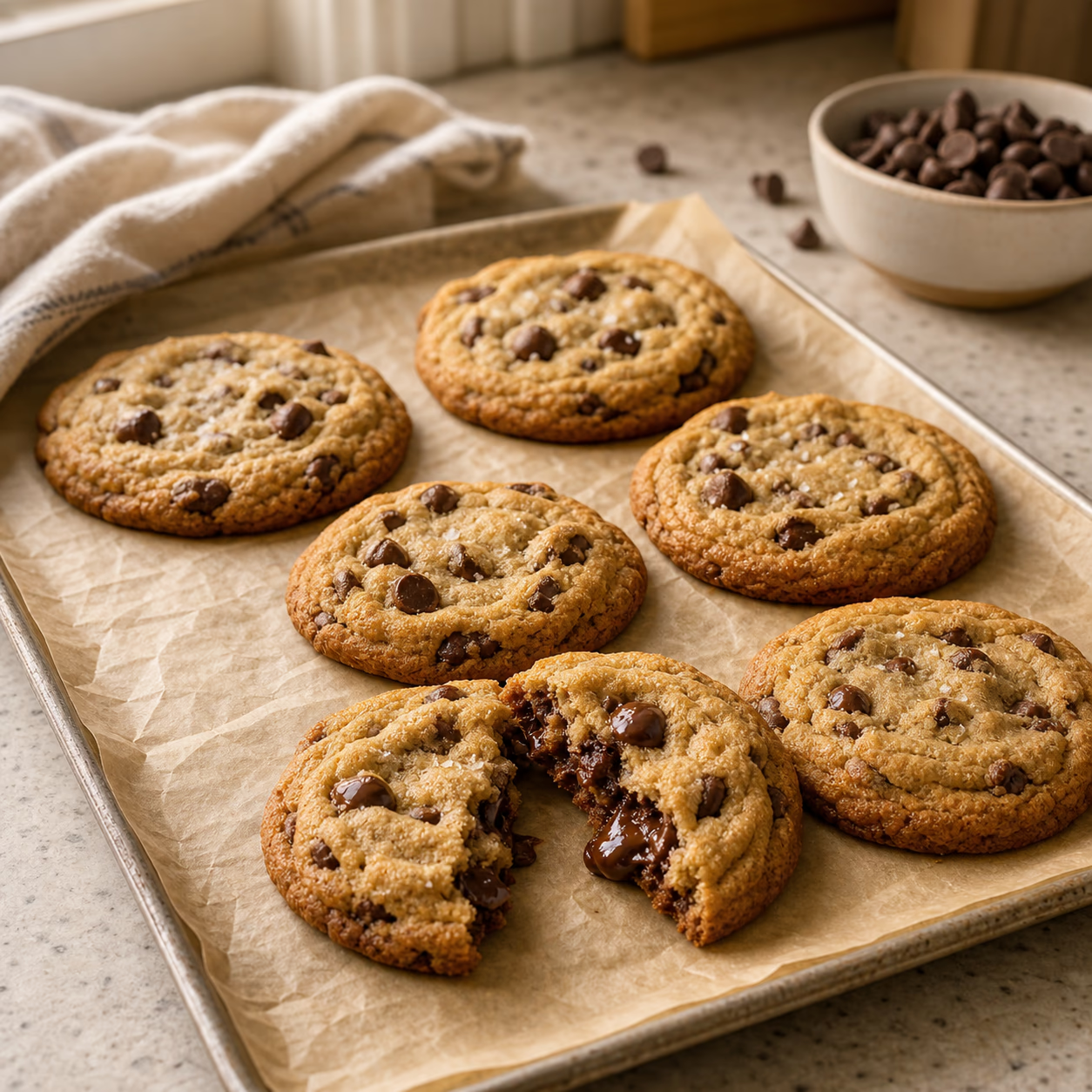
If you came here from the small batch chocolate chip cookies, this is the expanded freezer plan. Bake a few tonight, freeze a few for later, and let the freezer do something kinder than hold mystery peas.
Method Map
The cookie-dough freezer map
The best freezer method depends on the dough shape. Decide how the cookie will go into the oven later, then freeze it that way now.
| Dough Type | Freeze It As | Later Baking Move |
|---|---|---|
| Chocolate chip, oatmeal, peanut butter, most drop cookies | Individual dough balls | Bake from frozen, adding 1 to 3 minutes as needed. |
| Shortbread or slice-and-bake dough | A wrapped log | Thaw in the fridge until sliceable, then bake. |
| Sugar cookie or gingerbread dough for rolling | Flat disks | Thaw in the fridge until rollable. |
| Cutout cookies for a busy week | Cut shapes layered with parchment | Bake from chilled or slightly frozen, watching the edges. |
| Very delicate or batter-like cookies | One test portion first | Freeze only if the baked test cookie keeps a good texture. |
My freezer preference is very plain: make the future step smaller. If future-you needs one warm cookie, do not make future-you thaw a whole log, scoop a frozen block, and reconsider every life choice near the oven.
Best Method
What is the best way to freeze cookie dough?
The best way to freeze cookie dough is to portion or shape it first, freeze it on a lined pan until firm, then pack it in a labeled freezer bag or freezer-safe container. The brief pan freeze keeps the pieces separate so you can bake only what you need.
- Line a sheet pan with parchment paper.
- Shape the dough into balls, logs, disks, or cutouts based on the cookie style.
- Freeze uncovered until the dough feels firm.
- Move the firm dough to a freezer bag or freezer-safe container.
- Press out extra air, seal well, and label before the bag disappears into the freezer.
A good label includes the dough name, date, oven temperature, bake time, and whether to bake from frozen. I like writing the instruction exactly as I will need it later: “350 F, bake from frozen, add 1 to 3 minutes.” That is not fancy. It is useful, which is better.
Dough Balls
How do you freeze cookie dough balls?
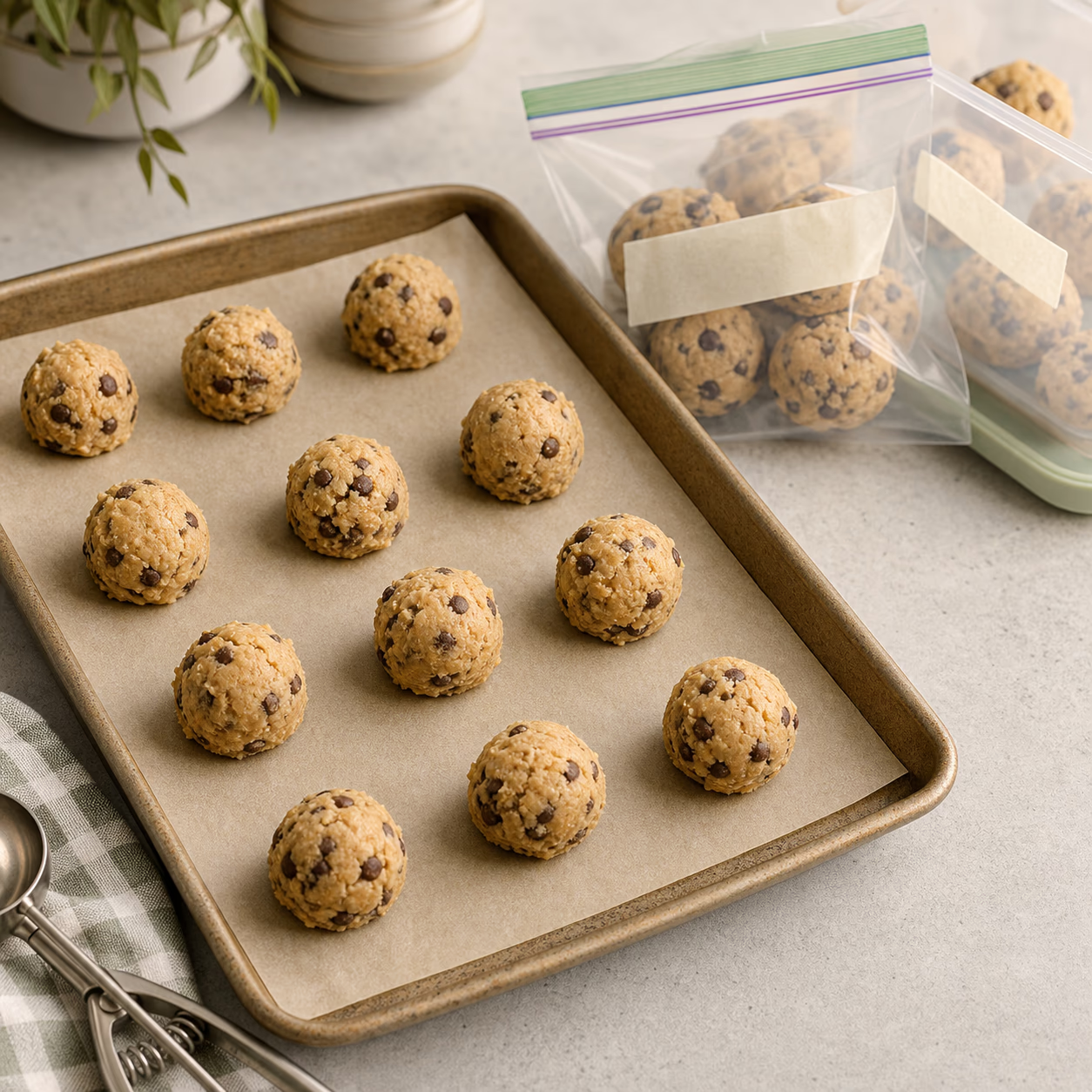
To freeze cookie dough balls, scoop the dough, space the balls on a parchment-lined pan, freeze until firm, then move them to a labeled freezer bag. This is the easiest method for chocolate chip, oatmeal, peanut butter, and most sturdy drop-cookie doughs.
- Scoop evenly: use the same spoon or cookie scoop so the dough balls bake at the same pace.
- Freeze before bagging: firm dough balls do not mash together into one lumpy freezer situation.
- Pack tightly but gently: use a freezer bag or rigid container and remove as much air as practical.
- Label the bake plan: include temperature, timing, and “bake from frozen” if that works for the dough.
- Keep portions small: a few dough balls are often more useful than a full tray you feel obligated to bake.
This is a natural little add-on to a Sunday kitchen reset. If the bowl is already out and the pantry has flour, sugar, vanilla, and chocolate, freeze six dough balls and move on with your day.
Other Shapes
How to freeze logs, disks, and cutouts
Freeze cookie dough in logs when you want slice-and-bake cookies, in disks when the dough needs rolling later, and as cut shapes when you want the fastest possible bake later. These doughs usually need refrigerator thawing until they are workable.
Logs
Shape slice-and-bake dough into an even log, wrap it tightly, then slide it into a freezer bag. Thaw it in the refrigerator until it is firm but sliceable, then cut and bake.
Disks
Pat roll-out dough into flat disks before wrapping. Flat dough thaws more evenly than a thick ball and is easier to roll later.
Cutouts
Freeze cut shapes on a lined pan, then layer them with parchment in a container. This is useful when you want the rolling mess done before the busy day.
Test Pieces
If a dough is delicate, sticky, or unfamiliar, freeze one portion first. Bake the test piece before you give the whole batch freezer space.
Bake Later
Can you bake cookie dough from frozen?
Yes, drop-cookie dough balls usually bake from frozen. Add 1 to 3 minutes as a starting point, space the dough well, and use visual cues: set edges, light browning, and centers that look soft but not wet.
Frozen dough starts colder, so the clock is only a guide. Smaller dough balls may need just one extra minute. Larger bakery-style dough balls may need more. Dark pans can brown the bottoms faster, while chilled thick dough can stay pale in the center longer.
If the dough is a log or disk, thaw it in the refrigerator until it can be sliced or rolled. If you thaw dough at room temperature, it can soften unevenly and get sticky before the center is ready. The refrigerator is slower, but it is much easier to manage.
Storage Time
How long can you freeze cookie dough?
For best quality, use frozen cookie dough within about 2 to 3 months. Properly frozen food stays safe at 0 F, but cookie dough can pick up freezer flavors, dry around the edges, or lose some texture over time.
The date label is what makes that window usable. A bag that says “cookie dough” is nice. A bag that says “chocolate chip, 350 F, bake frozen, add 1 to 3 minutes, June 16” is dinner-level helpful, except dessert.
Keep dough tightly wrapped or sealed. If you see heavy ice crystals, freezer burn, torn packaging, or a mystery smell, do not spend good butter and oven time trying to rescue it.
Safety
Is frozen cookie dough safe to eat raw?
No. Freezing does not make raw flour or raw egg ready to eat. Bake cookie dough before eating, and wash your hands, tools, bowls, sheet pans, and counters after handling raw dough.
This matters even when the dough smells like vanilla and good decisions. Raw flour has not been treated like a ready-to-eat food, and many cookie doughs include raw egg. Freezer time helps storage; baking is the safety step.
If you want edible cookie dough, use a recipe specifically built for that job with heat-treated flour and no raw egg. This guide is for dough you plan to bake.
Freezer Burn
How do you keep cookie dough from freezer burn?
Keep cookie dough from freezer burn by freezing it firm first, packing it airtight, pressing out extra air, and using it while the dough still tastes fresh. A rigid freezer-safe container protects delicate cutouts better than a loose bag.
- Use freezer bags or freezer-safe containers, not thin sandwich bags for long storage.
- Press air out of bags before sealing.
- Layer cutouts with parchment so they do not scrape or stick.
- Keep dough away from strong-smelling freezer foods when possible.
- Store dough flat until frozen so the bag stacks neatly.
For a broader freezer rhythm, use the freezer backup box. Cookie dough is not dinner, but it absolutely counts as morale.
FAQ
Cookie dough freezing questions
Do you need to thaw frozen cookie dough before baking?
Drop-cookie dough balls usually do not need to thaw before baking. Logs and disks usually need refrigerator thawing until they are sliceable or rollable.
Can you freeze cookie dough with eggs?
Yes, many cookie doughs with eggs can be frozen before baking. The dough still needs to be baked before eating, and tools and surfaces should be cleaned after handling raw dough.
Can you freeze sugar cookie dough?
Yes. Freeze sugar cookie dough as flat disks for rolling later, or freeze cut shapes between layers of parchment if you want faster baking later.
Can you freeze baked cookies instead?
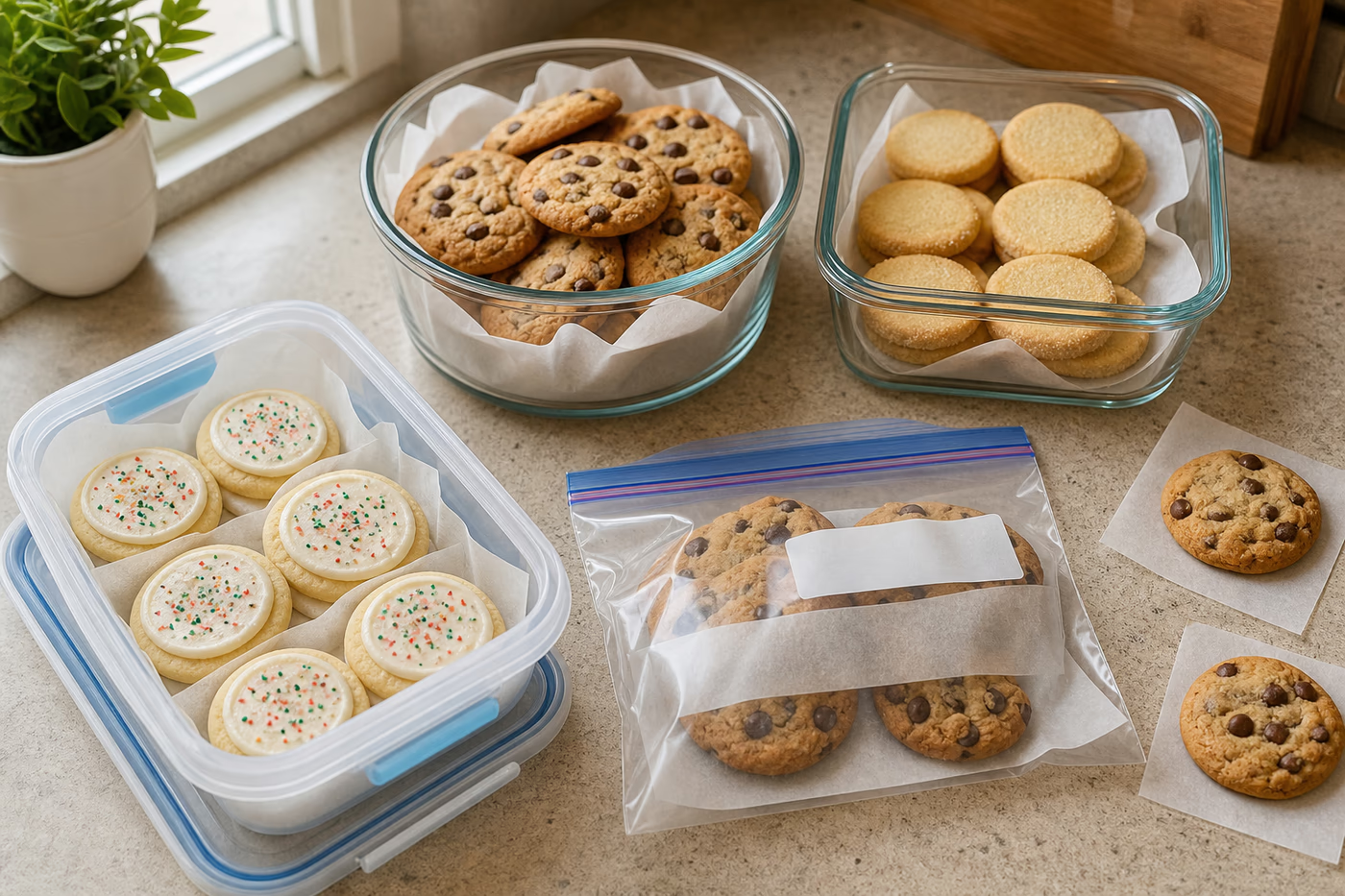
Yes, many baked cookies freeze well after they cool completely. Freeze dough when you want fresh-baked cookies later; freeze baked cookies when you want a ready-to-thaw treat. For the after-baking side, use how to store cookies.
What should I write on the freezer bag?
Write the dough name, date, oven temperature, expected bake time, and whether to bake from frozen. If the dough has nuts, spices, or a special finish, write that too.
Next Steps
Put one sweet thing in the freezer
If you want a tiny test batch, start with small batch chocolate chip cookies and freeze a few dough balls. If your pantry needs the basics first, use the pantry staples guide and keep flour, sugar, vanilla, and chocolate on the practical list.
For a bigger make-ahead rhythm, pair this with the freezer backup box. For cozy dessert backups that do not need dough scooping, keep how to store muffins, one bowl chocolate cake, and apple crumble nearby. The freezer does not have to become a project. One clearly labeled bag is enough.