
Recipe Notes
Why this works
Hot oil blooms dried chile flakes while packaged crispy or dried aromatics keep the method simple. Building plenty of crunchy bits first makes the condiment useful on rice, noodles, eggs, vegetables, chicken, fish, and leftovers without treating homemade chile oil as shelf-stable pantry storage.
Chile flakes
Use crushed dried chiles, gochugaru, Aleppo-style pepper, or a mild red pepper flake blend. Avoid only cayenne unless you want a very hot jar.
Neutral oil
Canola, grapeseed, avocado, peanut, or another neutral cooking oil lets the chiles and crunchy bits lead.
Crispy garlic and shallot
Packaged crispy fried garlic and shallots, or dried minced garlic and onion, make this small-batch version easier and help avoid fresh-garlic-in-oil pantry-storage assumptions.
Sesame and peanuts
Sesame seeds and chopped roasted peanuts add crunch. Skip peanuts if allergy or cross-contact is a concern.
Start Here
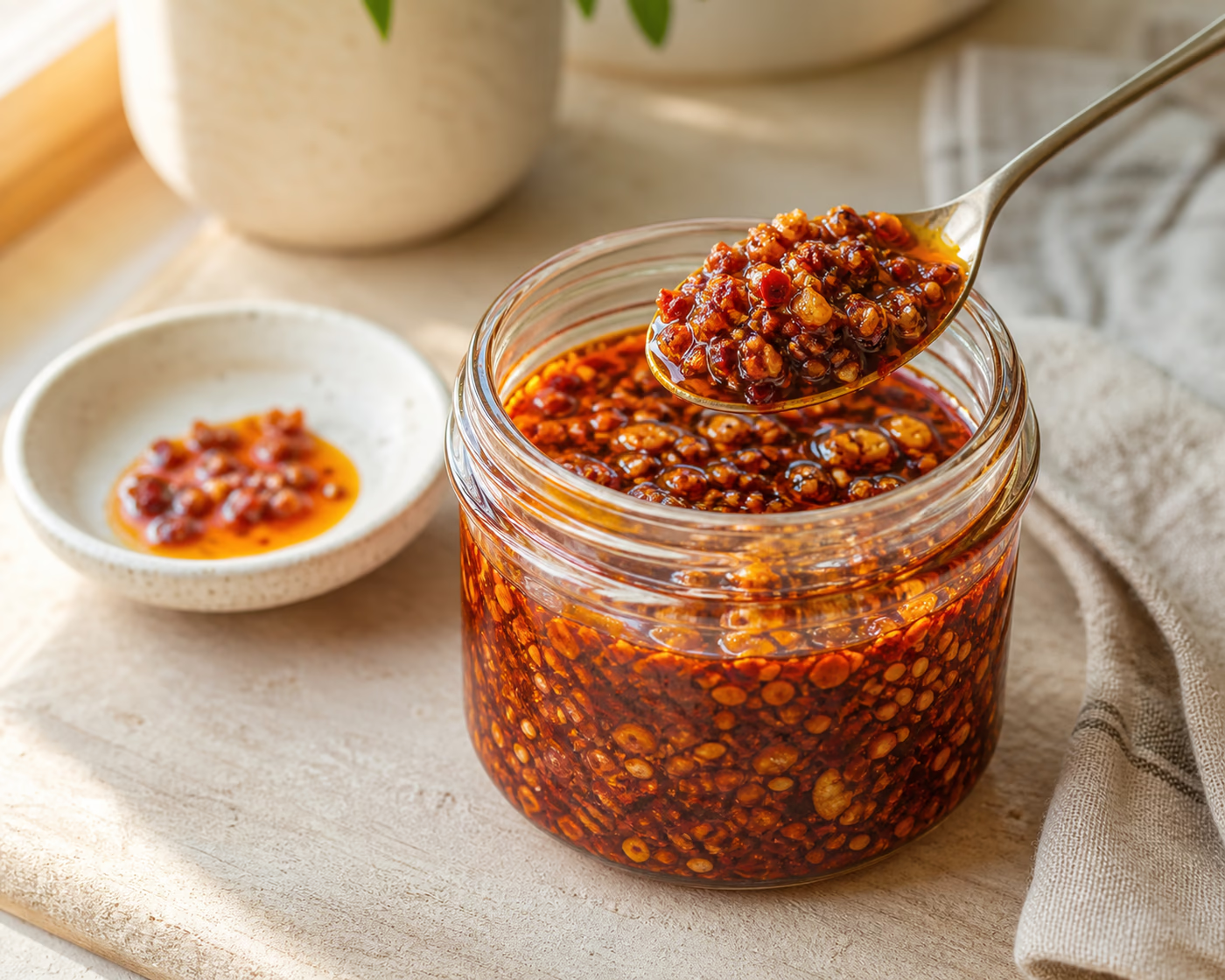
Chili crisp that is more crunch than oil
This chili crisp recipe is the small jar I want when dinner is cooked but still feels quiet. A spoonful can make plain rice, noodles, eggs, roasted vegetables, soup, reheated chicken, or a bowl of leftovers taste intentional instead of merely assembled.
The useful move is simple: build the crisp first, bloom the chiles with hot oil second, and keep the finished jar in the refrigerator. I like chili crisp with enough crunchy bits that the spoon brings texture, not just red oil and ambition.
Build the chile and crunch base in a heatproof bowl.
Warm neutral oil until it shimmers, not smokes.
Pour hot oil over the chile mixture and stir.
Cool uncovered, jar, and refrigerate.
Quick Answer
What is chili crisp?
Chili crisp is a crunchy chile oil condiment made with dried chiles, hot oil, salt, aromatics, and crisp bits such as garlic, shallot, sesame seeds, or nuts. It is used as a finishing sauce for rice, noodles, eggs, vegetables, soups, dumplings, bowls, chicken, fish, tofu, and leftovers.
This is a small-batch homemade chili crisp, not a shelf-stable pantry preserve. Keep it refrigerated, use a clean spoon, and make a jar you can finish while it still tastes fresh and crunchy.
Ingredients
What you need
You do not need a specialty shelf of dried chiles to make a useful jar. Start with crushed dried chiles or red pepper flakes, then round the heat with sesame, crispy aromatics, a little sugar, and enough salt to make the crunch taste good before it ever touches dinner.
Dried chiles
Choose your heat. Red pepper flakes work. Gochugaru, Aleppo-style pepper, or mild paprika can soften the heat and deepen the color.
Neutral oil
Let the chiles lead. Canola, grapeseed, avocado, or peanut oil works better here than strong olive oil.
Crispy aromatics
Use dry crunch. Packaged crispy fried garlic and shallots, or dried minced garlic and onion, keep this easy and avoid fresh aromatics sitting in oil on the counter.
Sesame and peanuts
Texture matters. Sesame seeds and chopped roasted peanuts make the spoonful more interesting. Skip peanuts if allergies are a concern.
For the chili crisp
- 1/3 cup crushed dried chiles or red pepper flakes
- 1 tablespoon gochugaru, Aleppo-style pepper, or mild paprika, optional for color and softer heat
- 2 tablespoons sesame seeds
- 2 tablespoons finely chopped roasted peanuts, optional
- 2 tablespoons packaged crispy fried shallots or dried minced onion
- 1 tablespoon packaged crispy fried garlic or dried minced garlic
- 1 teaspoon fine salt
- 1 teaspoon sugar
- 1/2 teaspoon ground Sichuan peppercorn or black pepper, optional
- 1/4 teaspoon MSG or mushroom powder, optional
- 2/3 cup neutral oil, such as canola, grapeseed, avocado, or peanut oil
- 1 teaspoon toasted sesame oil, optional
Method Map
Crisp first, oil second, fridge only
The best homemade chili crisp starts with the bits. If the dry mixture tastes flat, the oil will not save it. If the oil is too hot, the chiles can turn bitter before you have a chance to stir. And once the jar is made, the refrigerator is part of the recipe, not a storage afterthought.
| Step | What It Does | Watch For |
|---|---|---|
| Crisp first | Builds texture with dried chiles, garlic, shallot, sesame, and nuts. | The mixture should look busy, not like a bowl of plain flakes. |
| Oil second | Blooms chile flavor and carries the seasoning. | Oil should shimmer and bubble gently, not smoke hard. |
| Fridge only | Keeps homemade aromatic oil in a safer, fresher zone. | Use a clean spoon and do not leave the jar out on the counter. |
Method
How to make chili crisp
- Build the crunch. Add the dried chiles, optional gochugaru or paprika, sesame seeds, peanuts if using, crispy shallots, crispy garlic, salt, sugar, optional Sichuan peppercorn, and optional MSG or mushroom powder to a heatproof bowl.
- Set up safely. Put the bowl on a steady, heatproof surface with a spoon nearby. Hot oil will bubble when it hits the chile mixture.
- Heat the oil. Add the neutral oil to a small saucepan and heat over medium for 3 to 5 minutes. It should shimmer. A tiny chile flake should sizzle gently, not blacken immediately.
- Pause if needed. If the oil looks smoky or aggressive, turn off the heat and wait 30 seconds. Scorched chile flakes taste bitter fast.
- Bloom in two pours. Carefully pour about half the hot oil over the chile mixture. Stir, then pour in the rest and stir again.
- Cool uncovered. Let the chili crisp cool until it is no longer steaming. This helps keep condensation out of the jar.
- Jar and refrigerate. Stir in toasted sesame oil if using, transfer to a clean jar, cover, refrigerate, and use a clean spoon each time.
If the first spoonful tastes a little loud, give it 20 minutes. The chiles, sesame, salt, and sugar settle into each other as the oil cools. If it tastes flat after cooling, add a pinch more salt before you put it away.
Heat Control
How to make chili crisp milder or hotter
Heat depends more on the chile than on the amount of oil. If you are not sure how spicy your flakes are, make the base mild and add heat later. Dinner can always take another spoonful; the jar cannot become less fiery on command.
| Goal | What To Do | Best For |
|---|---|---|
| Milder | Use half red pepper flakes and half gochugaru, Aleppo-style pepper, or mild paprika. | Eggs, rice bowls, vegetables, mixed households. |
| More savory | Add MSG, mushroom powder, extra sesame, or a pinch of ground Sichuan peppercorn. | Noodles, soups, fried rice. |
| Hotter | Add cayenne or a hotter dried chile in small pinches after the first batch cools. | People who already know they want heat. |
| Crunchier | Increase crispy shallot, crispy garlic, sesame, or chopped peanuts. | Plain rice, tofu, bowls, roasted vegetables. |
Serve It
What do you eat with chili crisp?
Use chili crisp anywhere dinner needs heat, crunch, salt, and a little oil. Add it at the end so the crunchy bits stay noticeable and the chile flavor stays bright.
| Meal | How To Use It | Try It With |
|---|---|---|
| Rice and eggs | Spoon over warm rice, eggs, cabbage, or simple skillets. | Cabbage and eggs. |
| Fried rice | Add at the table so the crisp stays crisp. | Easy fried rice. |
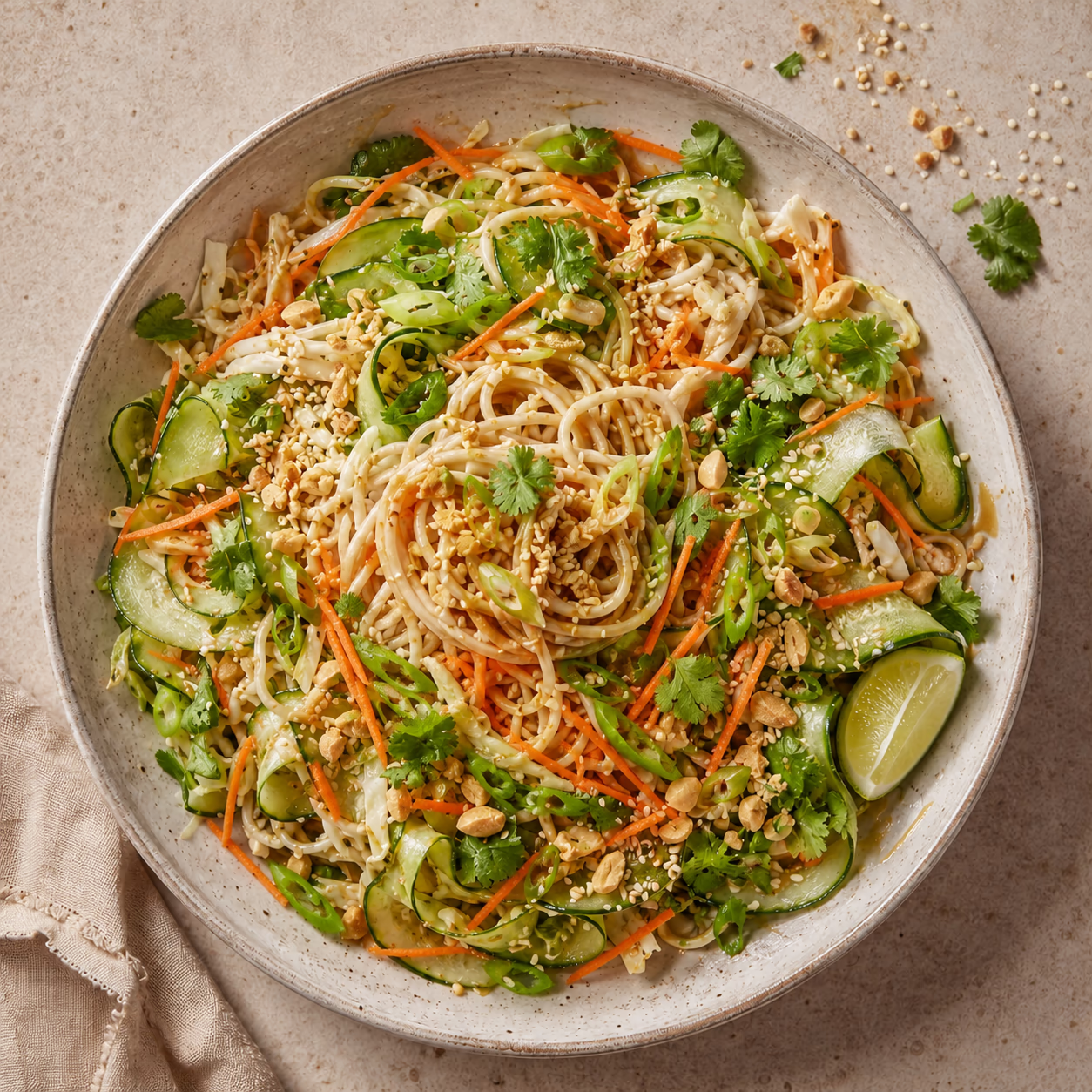
| Cold noodles | Stir into a peanut, sesame, or soy-lime dressing. | Cold noodle salad. |
| Rice bowls | Use as the spicy crunchy finish after reheating. | Chicken rice bowls or salmon rice bowls. |
| Vegetables | Drizzle over stir-fried, roasted, or steamed vegetables. | The skillet vegetable stir-fry map. |
| Leftovers | Add a small spoonful after reheating so yesterday’s dinner has a fresh edge. | Reheated chicken or soup. |
For the bigger dinner system, keep the small sauce guide nearby. Chili crisp is the spicy crunchy one: it does not fix every meal, but it fixes a surprising number of almost-finished bowls.
Storage
How long does homemade chili crisp last?
Store this homemade chili crisp in a clean covered jar in the refrigerator and use it within 1 week for the best flavor and crunch. That 1-week window is for this recipe’s dried chiles plus packaged crispy or dried aromatics. Use a clean spoon every time, keep water out of the jar, and do not leave the jar sitting out on the counter.
This stricter note is not here to make the jar dramatic; it is here because fresh low-acid foods held under oil need different handling. University of Maine Extension recommends dried herbs, garlic, or vegetables as the safest home method for infused oils, and the National Center for Home Food Preservation gives garlic-in-oil a 4-day refrigerator limit. FoodSafety.gov also lists herb-infused oils among botulism sources, which is why this recipe leans on dry crunch and fridge-only storage.
FAQ
Chili crisp questions
Is chili crisp the same as chili oil?
Not exactly. Chili oil is usually mostly infused oil. Chili crisp has oil plus crunchy bits such as dried chiles, garlic, shallot, sesame seeds, peanuts, or spices. The crunch is the point.
Can I use regular red pepper flakes?
Yes. Regular red pepper flakes work, but they can be sharp and hot. For a softer jar, use some red pepper flakes and some gochugaru, Aleppo-style pepper, or mild paprika.
Can I make chili crisp without peanuts?
Yes. Skip the peanuts and add more sesame seeds, crispy shallots, crispy garlic, or dried onion. Check labels if sesame, peanut, soy, gluten, or cross-contact matters in your kitchen.
Can I use fresh garlic or fresh shallots?
You can, but fresh aromatics in oil need stricter handling. Fry them until deeply crisp, keep the finished jar refrigerated, use it within 4 days, and do not store it at room temperature. For the easiest small-batch version, I prefer packaged crispy fried or dried aromatics.
Is homemade chili crisp shelf-stable?
No. Treat homemade chili crisp as a refrigerated condiment, especially if it includes garlic, shallot, herbs, vegetables, or other aromatics in oil. This recipe is for home refrigerator storage, not canning or pantry preservation.
Can I freeze chili crisp?
I do not recommend freezing chili crisp. The oil can cloud and the crunchy bits can soften after thawing. Make a small jar instead.
Kitchen Note
About nutrition, labels, and safety
Nutrition information is not listed because chile blends, oil amount per spoonful, sesame, peanuts, crispy aromatics, and serving size can change the numbers. If you need exact nutrition details, calculate them with the ingredients and amounts you use.
The Vegan badge applies to the required recipe when your packaged crispy garlic, crispy shallots, spices, and optional flavor boosters are vegan. Check labels for sesame, peanuts, soy, gluten, alcohol-based flavorings, animal-derived additives, certification needs, and cross-contact.
My small rule: label the jar with the date before it goes into the fridge. Future-you should not have to sniff a mysterious red jar and negotiate with optimism.