
Start Here
Dinner is often missing a finish, not another recipe
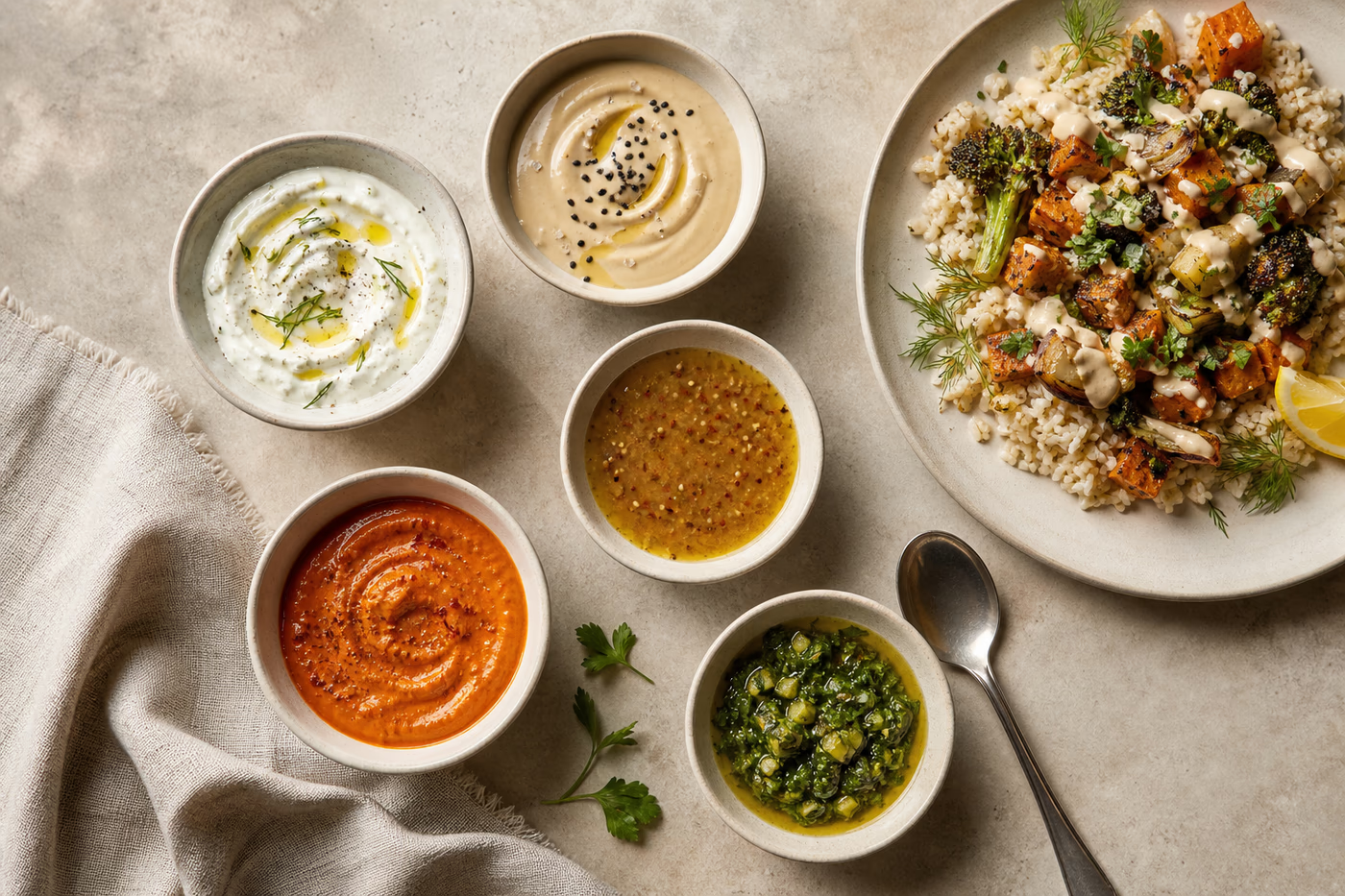
When dinner tastes flat, the answer is not always more cooking. A bowl of rice, roasted vegetables, eggs, leftover chicken, canned beans, or pasta often needs one small sauce: something salty, bright, creamy, herby, or sharp enough to pull the plate together.
Mara keeps sauces simple enough to make while the pan is still warm. The goal is not restaurant polish. The goal is a repeatable move that makes a plain dinner feel intentional.
The Formula
Build sauce from five jobs
A useful dinner sauce does not need a long ingredient list. It needs a job. Most quick sauces are built from a few of these parts: fat for richness, acid for lift, salt or umami for depth, water for looseness, and herbs or crunch for freshness.
| Job | Pantry examples | What it fixes |
|---|---|---|
| Creaminess | Yogurt, tahini, peanut butter, mayo, soft cheese | Dry grains, lean proteins, roasted vegetables |
| Brightness | Lemon, lime, vinegar, pickles, capers | Flat, heavy, or too-salty food |
| Depth | Soy sauce, miso, mustard, tomato paste, parmesan | Plain beans, rice, noodles, eggs |
| Looseness | Water, pasta water, broth, citrus juice | Thick sauces that will not drizzle |
| Freshness | Herbs, scallions, chile flakes, toasted seeds | Leftovers that taste tired |
Five Sauces
Keep these formulas in rotation
1. Lemon Yogurt Sauce
Stir together: plain Greek yogurt, lemon juice, lemon zest, olive oil, finely grated garlic, salt, pepper, and chopped dill, parsley, or mint.
Use it on: rice bowls, roasted carrots, salmon, chickpeas, eggs, pita, leftover chicken, or sheet pan vegetables.
Make it work: grate the garlic so it disappears into the yogurt. If the sauce tastes too sharp, add a little olive oil. If it tastes heavy, add more lemon.
2. Tahini Soy Drizzle
Whisk together: tahini, soy sauce, lemon juice or rice vinegar, and cold water until smooth. For a lemon-garlic version without soy, use this tahini sauce recipe. Add chili crisp, grated ginger, or sesame oil if it fits the meal.
Use it on: rice bowls, noodles, broccoli, tofu, roasted sweet potatoes, cucumbers, canned beans, or leftover vegetables.
Make it work: tahini may thicken before it loosens. Keep whisking and add water a spoonful at a time until it drizzles.
3. Mustard Jar Vinaigrette
Shake together: vinegar or lemon juice, Dijon mustard, olive oil, a little honey, salt, and pepper in a small jar.
Use it on: greens, white beans, lentils, roasted potatoes, grain bowls, tuna toast, cabbage slaw, or a plate of leftovers.
Make it work: mustard helps the oil and acid hold together long enough to coat dinner instead of sliding to the bottom of the bowl.
4. Tomato Butter Skillet Sauce
Warm together: olive oil or butter, tomato paste, a splash of pasta water or broth, garlic or chile flakes, and a small spoon of vinegar.
Use it on: pasta, chickpeas, white beans, eggs, gnocchi, leftover rice, sauteed greens, a chicken and zucchini skillet, cherry tomato pasta, or another quick skillet dinner.
Make it work: cook the tomato paste for a minute before adding liquid. It tastes deeper and less tinny.
5. Pickle-Herb Spoon Sauce
Chop together: parsley or dill, pickles or capers, lemon juice or vinegar, olive oil, pepper, and a tiny pinch of salt.
Use it on: eggs, potatoes, canned fish, lentils, roasted cauliflower, chicken, beans, or toast.
Make it work: taste before adding much salt. Pickles and capers usually bring plenty.
Use It Tonight
Match the sauce to the dinner problem
| If dinner is… | Try this sauce | Why |
|---|---|---|
| Dry or plain | Lemon yogurt or tahini soy | Creaminess and acid make grains, vegetables, and lean protein easier to eat. |
| Heavy or rich | Mustard vinaigrette or pickle-herb sauce | Vinegar, lemon, and briny ingredients cut through richness. |
| Too mild | Tomato butter or tahini soy | Tomato paste, soy sauce, and sesame bring depth quickly. |
| Leftover-tired | Pickle-herb sauce | Fresh herbs and briny crunch make old food taste less like a repeat. |
| Missing a vegetable | Mustard vinaigrette | It turns cabbage, canned beans, cucumbers, or greens into a fast side. |
Storage
Make enough for a few dinners, not forever
Store sauces in clean, covered containers in the refrigerator. For most homemade sauces here, plan on using them within 3 to 4 days. Dairy-heavy and fresh-herb sauces are best earlier, both for flavor and texture.
If a sauce has touched cooked meat, seafood, eggs, or a used spoon from the dinner plate, treat it like leftovers. Chill it promptly and reheat the food it is served with to a safe temperature when needed.
FAQ
Small sauce questions
What is the easiest sauce for dinner?
Lemon yogurt sauce is the easiest if you keep plain yogurt around. It needs no blender, works with vegetables and proteins, and can be adjusted with lemon, herbs, garlic, or olive oil.
What sauce works best for rice bowls?
Tahini soy drizzle is the most flexible rice bowl sauce here. It is creamy, salty, and easy to thin with water. Add lemon or vinegar if the bowl needs brightness. For full bowl combinations, use the grain bowl guide.
How do I fix a sauce that tastes too sharp?
Add fat or creaminess: olive oil, yogurt, tahini, butter, or a little honey depending on the sauce. Sharpness usually means acid is winning.
How do I fix a sauce that tastes flat?
Add acid first, then salt. A small splash of lemon juice or vinegar often wakes the sauce up before it needs more seasoning.
Kitchen Note
About nutrition and storage
Nutrition information is not listed because sauce amounts, yogurt brands, oil, tahini, cheese, and serving size can change the numbers. If you need exact nutrition details, calculate them with the ingredients you use and your preferred nutrition calculator.
For storage, keep sauces cold and use the shortest safe window for the most perishable ingredient. Dairy-based sauces should go back in the refrigerator promptly.