
Recipe Notes
Why this works
Dijon mustard helps fresh lemon juice and olive oil cling together, a small amount of sweetener softens the sharp edge, and adding the oil by taste lets the same jar work for tender greens, beans, grains, vegetables, chicken, and leftovers.
Fresh lemon juice
Fresh lemon is the main flavor. Bottled lemon juice tastes flatter and sharper, so use it only when that is truly what you have.
Dijon mustard
Dijon gives the dressing body and helps the oil and lemon stay together longer.
Sweetener
Maple syrup keeps the base vegan. Honey works if you do not need a vegan dressing.
Garlic
Use a small clove, finely grated, or leave it out for a cleaner lemon dressing with a little more storage flexibility.
Start Here
The little jar that makes dinner sharper
Lemon vinaigrette is the 5-minute dressing I want when dinner is cooked but still tastes a little unfinished. It wakes up salad greens, canned beans, grain bowls, grilled chicken, roasted vegetables, and the kind of leftovers that need brightness more than another pan.
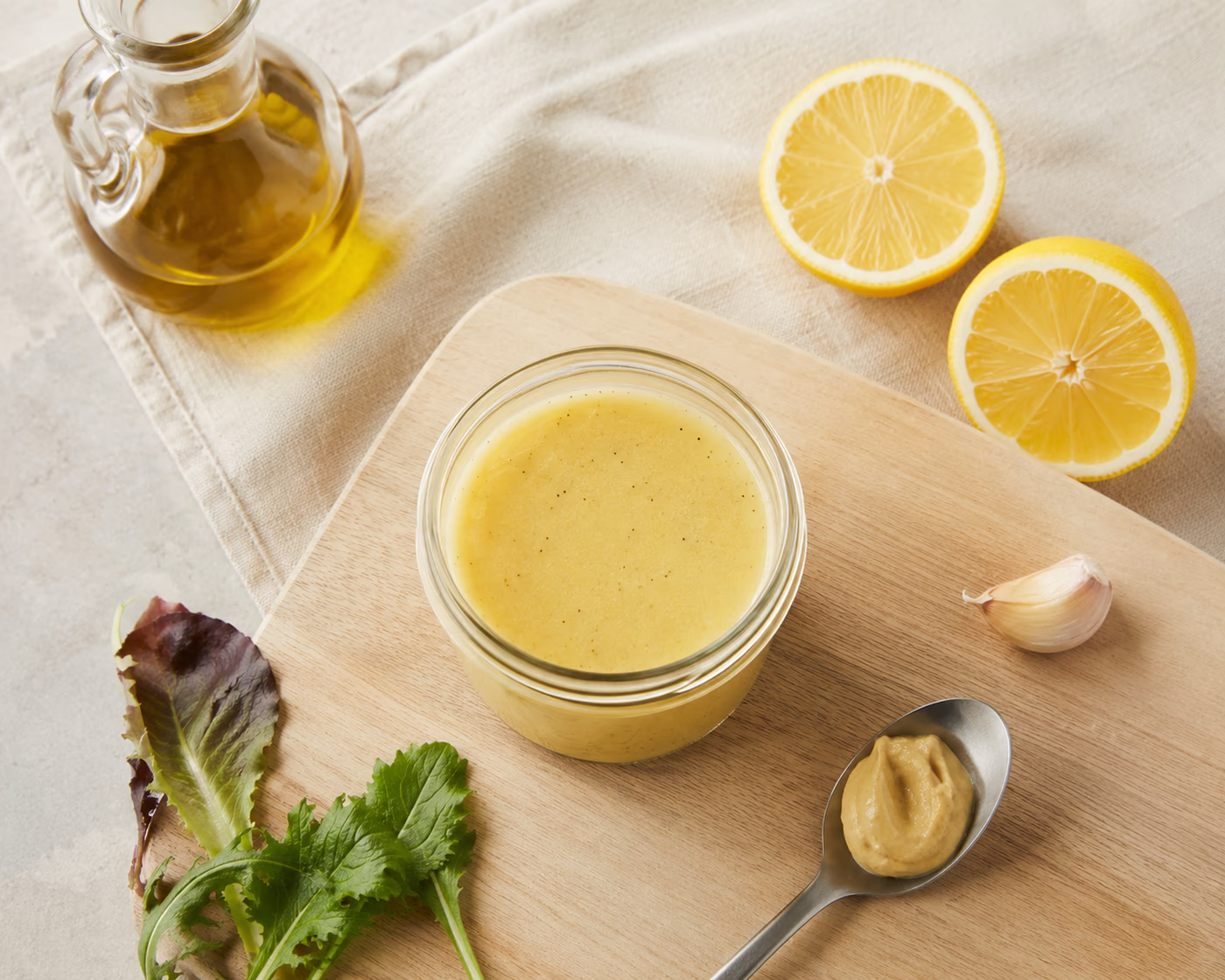
This lemon vinaigrette recipe starts with fresh lemon juice, Dijon mustard, a little sweetener, salt, pepper, and olive oil. Garlic and herbs are optional. The useful part is not only the ingredient list; it is knowing when to make the dressing sharper, softer, or clingier for the food in front of you.
Zest first if using zest, then squeeze the lemon.
Mix lemon, Dijon, sweetener, salt, pepper, and garlic.
Whisk or shake until lightly creamy.
Adjust on the food, not only from the spoon.
Quick Answer
What is lemon vinaigrette made of?
Lemon vinaigrette is made with fresh lemon juice, olive oil, Dijon mustard, salt, pepper, and optional sweetener, garlic, lemon zest, or herbs. Dijon helps the dressing cling, while a little maple syrup or sugar balances the sharp lemon.
For the easiest version, shake everything in a jar. For a slightly smoother version, whisk the lemon, Dijon, salt, pepper, and sweetener first, then drizzle in the olive oil while whisking.
Ingredients
What you need
The base is small, so every ingredient matters. Use fresh lemon if you can, a Dijon mustard you like, and olive oil that tastes good to you. This is not the place for the dusty bottle hiding in the back of the pantry.
Fresh lemon juice
Fresh is the flavor. Bottled lemon juice can taste harsh and flat. Use it only when the alternative is not making the dressing at all.
Dijon mustard
This helps the dressing cling. It makes the oil and lemon hold together longer and gives the vinaigrette a little body.
Sweetener
Use just enough to soften the edge. Maple syrup or sugar keeps the dressing vegan. Honey works if you do not need a vegan dressing.
Garlic
Optional means optional. A tiny grated clove makes it punchier. Leaving it out gives you a cleaner lemon dressing.
- 1/4 cup fresh lemon juice, from 1 to 2 lemons
- 1 teaspoon finely grated lemon zest, optional
- 1 tablespoon Dijon mustard
- 1 to 2 teaspoons maple syrup or sugar
- 1 small garlic clove, finely grated, optional
- 1/2 teaspoon fine salt, plus more to taste
- 1/4 teaspoon black pepper
- 1/3 to 1/2 cup extra-virgin olive oil
- 1 tablespoon finely chopped parsley, chives, dill, or thyme, optional
Method
How to make lemon vinaigrette
- Wash and dry. Wash the lemons and any fresh herbs under running water, then dry them. Zest the lemon before cutting it if you are using zest.
- Build the lemon base. Add the lemon juice, lemon zest if using, Dijon mustard, maple syrup or sugar, garlic if using, salt, and pepper to a jar or small bowl.
- Mix the base first. Whisk or shake until the mustard disappears into the lemon juice. This keeps the dressing from tasting streaky.
- Add the oil. Add 1/3 cup olive oil and whisk or shake until the dressing looks lightly creamy.
- Taste on the food. Taste it on a leaf of lettuce, a bean, a piece of chicken, or whatever you are dressing. Add more olive oil if it tastes too sharp, more lemon if it tastes sleepy, or more salt if it tastes flat.
- Finish. Stir in herbs if using. Serve right away, or refrigerate in a covered jar and shake again before serving.
My preference is to start bright and soften later. A lemon vinaigrette that tastes slightly loud from the spoon often tastes exactly right on cold beans, cooked grains, or grilled chicken.
Ratio Map
What is the best lemon vinaigrette ratio?
Start with 1/4 cup lemon juice and 1/3 cup olive oil for a bright lemon vinaigrette. Add up to 1/2 cup olive oil when you want a softer dressing for tender greens. There is no single perfect ratio because lettuce, beans, grains, and chicken all mute flavor differently.
| Use | Best Ratio | How To Adjust |
|---|---|---|
| Tender greens | 1/4 cup lemon juice + 1/2 cup olive oil | Softer and less sharp. Add herbs at the end. |
| Chickpeas, white beans, or lentils | 1/4 cup lemon juice + 1/3 cup olive oil | Keep it bright; beans quiet acid fast. |
| Grain bowls | 1/4 cup lemon juice + 1/3 to 1/2 cup oil | Taste on the cooked grain before adding more oil. |
| Roasted vegetables or potatoes | 1/4 cup lemon juice + 1/3 cup oil | Add a little extra mustard for cling. |
| Chicken, fish, or leftovers | 1/4 cup lemon juice + 1/3 cup oil | Use as a finish after cooking or reheating. |
Fix The Jar
How to adjust lemon vinaigrette
Most vinaigrette problems are small. Shake, taste, and fix one thing at a time. If you keep adding everything at once, the jar becomes mysterious in the least useful way.
| What You Notice | What It Means | What To Do |
|---|---|---|
| Too sharp | The lemon is leading. | Add 1 tablespoon olive oil or 1/2 teaspoon sweetener. |
| Too oily | The dressing is soft but dull. | Add lemon juice, a pinch of salt, or a little more Dijon. |
| Flat | It needs seasoning. | Add salt first, then lemon if it still needs lift. |
| Separated | Oil and lemon naturally pulled apart. | Shake or whisk again. Add 1/2 teaspoon Dijon if you want more cling. |
| Too garlicky | The clove was large or very fresh. | Let it rest 10 minutes, add more oil, or skip garlic next time. |
| Oil hardened in the fridge | Olive oil thickens when cold. | Let the jar sit out for 10 to 20 minutes, then shake well. |
Serve It
Where lemon vinaigrette helps most
Lemon vinaigrette belongs anywhere dinner needs brightness and a little shine. Use it as salad dressing, spoon it over beans, drizzle it on bowls, or wake up leftovers after reheating.
| Food | How To Use It | Try It With |
|---|---|---|
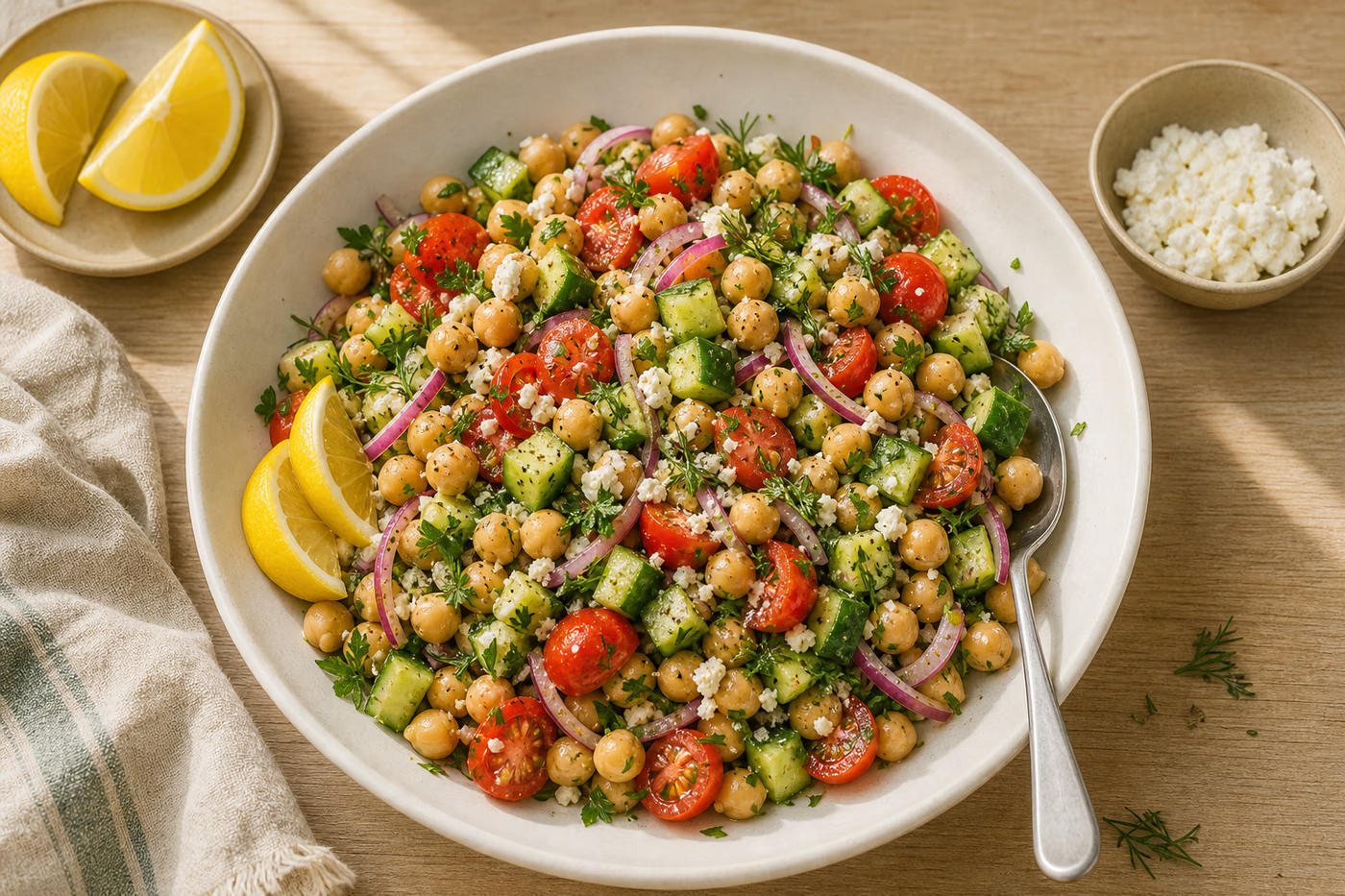
| Chickpeas or beans | Toss while the beans are well drained. | Chickpea salad or canned white beans. |
| Cold pasta | Use a bright ratio and save a spoonful for refreshing. | Easy pasta salad. |
| Cucumbers and tomatoes | Dress lightly after watery vegetables are salted or drained. | Cucumber salad. |
| Grilled chicken | Spoon over sliced chicken at the table. | Grilled chicken marinade. |
| Grain bowls | Drizzle over grains, vegetables, and protein so the bowl does not taste dry. | Grain bowl recipes. |
| Lettuce and salad greens | Dress just before serving so the leaves stay crisp. | How to store lettuce. |
| Vegetables | Add after cooking for brightness. | Sauteed zucchini or roasted vegetables. |
| Leftovers | Add cold after reheating so it stays fresh. | Reheated chicken, rice, beans, or vegetables. |
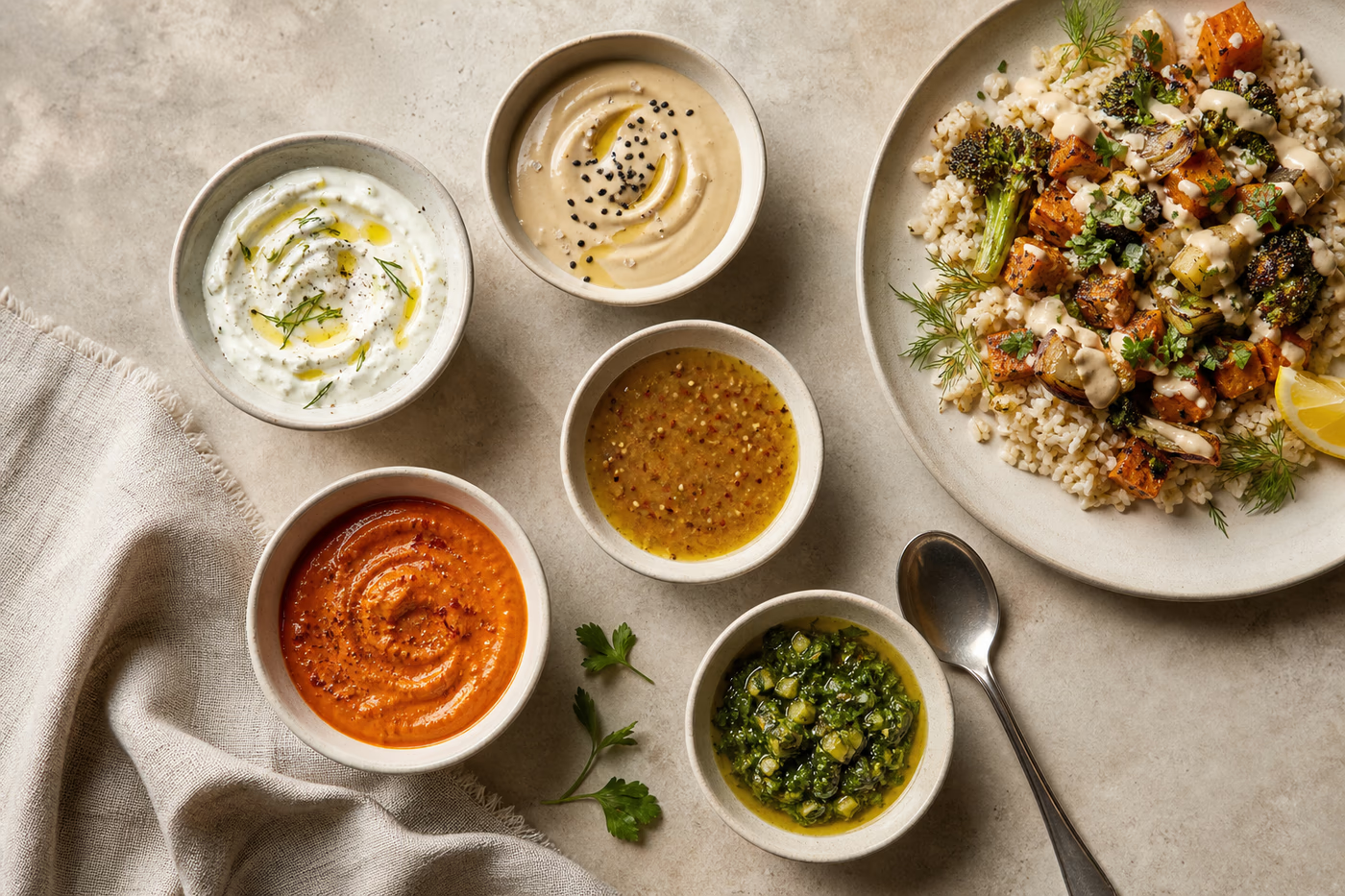
For the bigger dinner idea, keep the small sauce guide nearby. This is the bright, sharp member of that family.
Storage
Does lemon vinaigrette need to be refrigerated?
Yes. Refrigerate homemade lemon vinaigrette in a covered jar, especially if it contains fresh lemon juice, garlic, or herbs. Use a garlic or herb version within 3 days.
If you make the plain version without garlic or fresh herbs, it has more storage flexibility, but I still keep it cold because it tastes fresher that way. Let the jar sit at room temperature for 10 to 20 minutes if the olive oil thickens, then shake until it comes back together.
Make It Easier
What to read next
If you like having one small jar that makes dinner easier, use the small sauce guide to match a sauce to leftovers, bowls, vegetables, and pantry meals.
For places to use this lemon vinaigrette, start with chickpea salad, easy pasta salad, cucumber salad, grain bowls, or grilled chicken.
FAQ
Lemon vinaigrette questions
Can I use bottled lemon juice?
Fresh lemon juice tastes better in lemon vinaigrette because lemon is the main flavor. Bottled lemon juice can work in a pinch, but it usually tastes flatter and sharper, so you may need a little extra sweetener or olive oil.
Can I make lemon vinaigrette without mustard?
Yes, but it will separate faster and taste thinner. Shake it right before serving, or use a little maple syrup or sugar to soften the lemon edge. If you skip mustard because of flavor, start with 1/2 teaspoon instead of 1 tablespoon.
Why did my lemon vinaigrette separate?
Oil and lemon juice naturally separate. Shake or whisk the dressing again before serving. If you want it to cling longer, add a little more Dijon mustard and shake hard.
How long does lemon vinaigrette last?
Use lemon vinaigrette with fresh garlic or herbs within 3 days when stored in a covered jar in the refrigerator. A plain version without garlic or herbs can keep longer for quality, but refrigerating is still the best habit.
Is lemon vinaigrette vegan?
This lemon vinaigrette is vegan if you use maple syrup or sugar instead of honey. If you use honey, it is vegetarian but not vegan.
Can I use this as a marinade?
You can use lemon vinaigrette as a quick flavor finish or a short marinade for vegetables, beans, or cooked chicken. For raw meat or poultry, use a dedicated marinade recipe with clear food-safety handling and discard any marinade that touched raw meat.
Kitchen Note
About nutrition, labels, and timing
Nutrition information is not listed because serving size, olive oil amount, sweetener, and optional herbs or garlic can change the numbers. If you need exact nutrition details, calculate them with the ingredients and amounts you use.
The Vegan badge applies when the dressing is made with maple syrup or sugar instead of honey. If your household checks halal certification, alcohol, allergens, or cross-contact, review the Dijon mustard, vinegar-containing mustard, sweetener, and any packaged ingredients you use.
Use the recipe as a starting point, then taste it on the food. That last part is where the jar becomes useful instead of just technically correct.