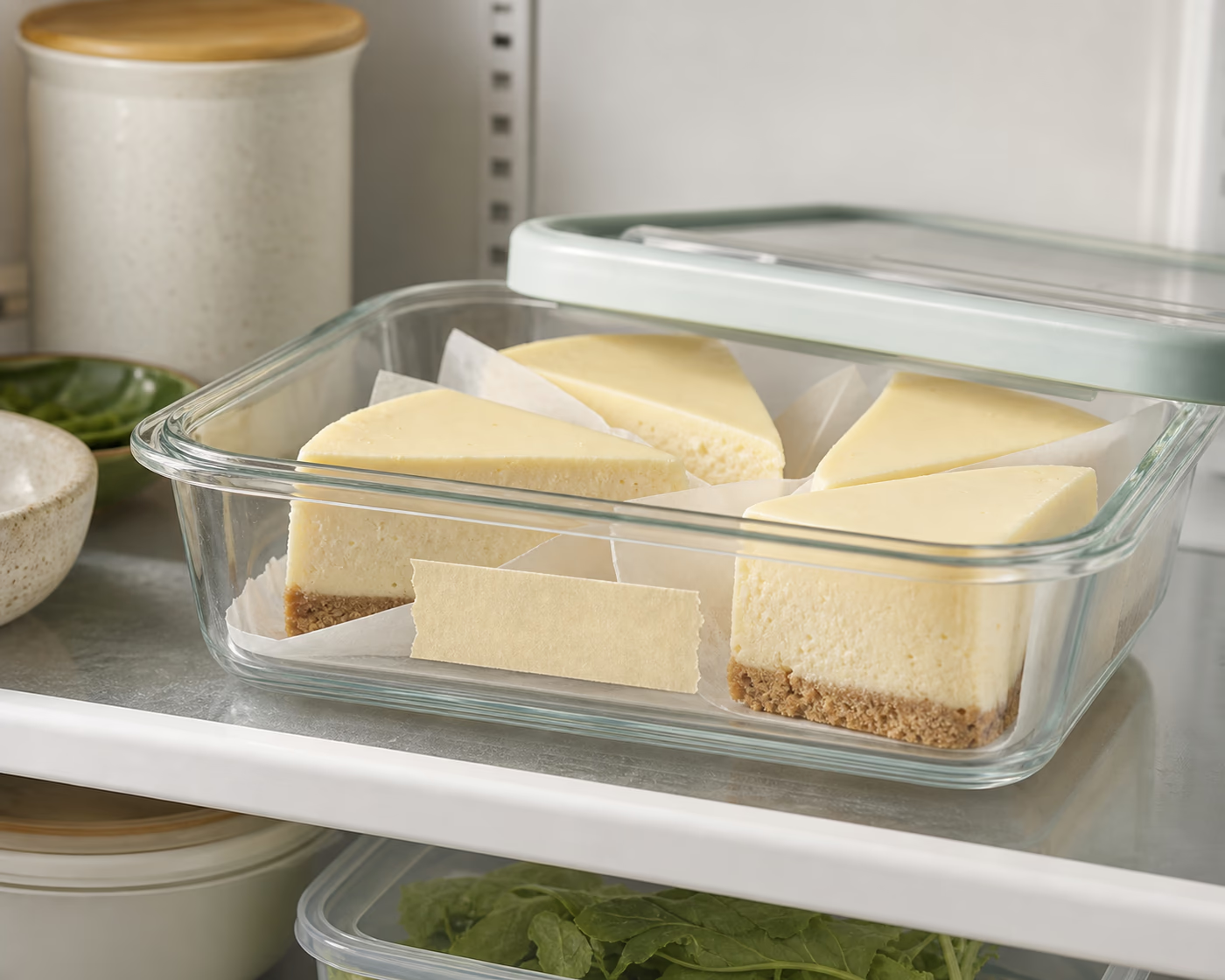

Storage answer
Fridge, counter, or freezer?
- Best move
- Keep cheesecake covered on a refrigerator shelf at 40 F or below and label the date.
- Room temp
- Refrigerate cheesecake within 2 hours, or within 1 hour if the room is hotter than 90 F.
- Fridge
- Properly stored cheesecake generally keeps 5 to 7 days; delicate no-bake fillings and fresh toppings may have a shorter best-quality window.
- Freezer
- Freeze well-wrapped cheesecake for about 2 to 3 months of best quality; food held continuously at 0 F remains safe while quality declines.
Do not keep it if you see
- Mold
- Sour or unpleasant smell
- Slimy or tacky surface
- Unusual discoloration
- Unknown time out or warm storage
Keep cheesecake at 40 F or below, count cumulative serving time, and follow any shorter recipe or manufacturer handling instruction. Opening the package does not restart its storage life.
Start Here
Cheesecake usually keeps 5 to 7 days
Properly stored cheesecake generally lasts 5 to 7 days in the refrigerator. Keep it covered at 40 F or below, count from the day it was made or thawed, and follow any shorter recipe or package instruction.
That is the storage range. The best-texture window can be shorter. A no-bake filling may loosen, a crust may soften, and fresh fruit or whipped cream may look tired before a plain baked cheesecake reaches day 7. I would rather freeze two good slices early than spend day 7 conducting a refrigerator trial.
Quick Answer
The four decisions that matter
Use properly refrigerated cheesecake within 5 to 7 days unless its recipe, topping, or package gives a shorter instruction.
Plain baked cheesecake usually holds better than no-bake, whipped, or fresh-fruit-topped cheesecake. Eat delicate versions sooner.
Refrigerate within 2 hours, or 1 hour above 90 F. Several short trips to the table count together.
Freeze well-wrapped cheesecake for about 2 to 3 months of best quality, then thaw it in the refrigerator.
Storage Map
The cheesecake storage map
Use the table first, then let the most delicate filling or topping set the shorter window. The clock starts when the cheesecake is made or thawed. Opening the box does not make it new again, and time on the table is cumulative.
| Cheesecake | General Fridge Range | Best-Quality Note | Stricter Rule |
|---|---|---|---|
| Plain baked cheesecake | 5 to 7 days | Usually the best keeper; cover cut edges. | Follow a shorter recipe instruction. |
| No-bake cheesecake | Up to 5 to 7 days only when its ingredients and recipe support it | Often best in the first 3 to 4 days because the filling loosens and the crust softens. | Use pasteurized eggs if the uncooked filling contains eggs. |
| Store-bought cheesecake | Follow the manufacturer’s handling instructions | Quality dates and after-opening directions vary. | Opening does not reset time already spent refrigerated or thawed. |
| Fresh-fruit or whipped topping | Use the cheesecake range only if the topping has no shorter instruction | Usually looks and tastes best sooner. | The most perishable component sets the rule. |
| Sliced cheesecake | 5 to 7 days from making or thawing, not from slicing | Cut edges dry faster. | Keep slices covered and track the original date. |
| Thawed frozen cheesecake | Follow the original storage history and package directions | Eat promptly for the cleanest texture. | Freezing does not create a fresh refrigerator window. |
| Left out overnight | None | Do not taste to check. | Discard. |
Fridge Method
How to store cheesecake in the fridge
Store cheesecake covered in the refrigerator at 40 F or below. A cake carrier works for a whole cheesecake. Airtight containers work well for slices. Plastic wrap can work too, but use toothpicks or a loose tent if the topping would smear.
- Cool as the recipe directs, within the safety clock. A baked cheesecake may need a short staged cool for texture, but refrigerate it within 2 hours. A no-bake cheesecake should stay cold while it sets.
- Cover it before the fridge. Cheesecake dries out and picks up refrigerator odors when it sits uncovered.
- Use a shelf, not the door. The back or middle of the fridge is steadier than the door, which warms every time someone opens it.
- Label the date. A small piece of tape saves you from fridge math later.
- Slice only what you need. Cut edges dry faster than an uncut surface.
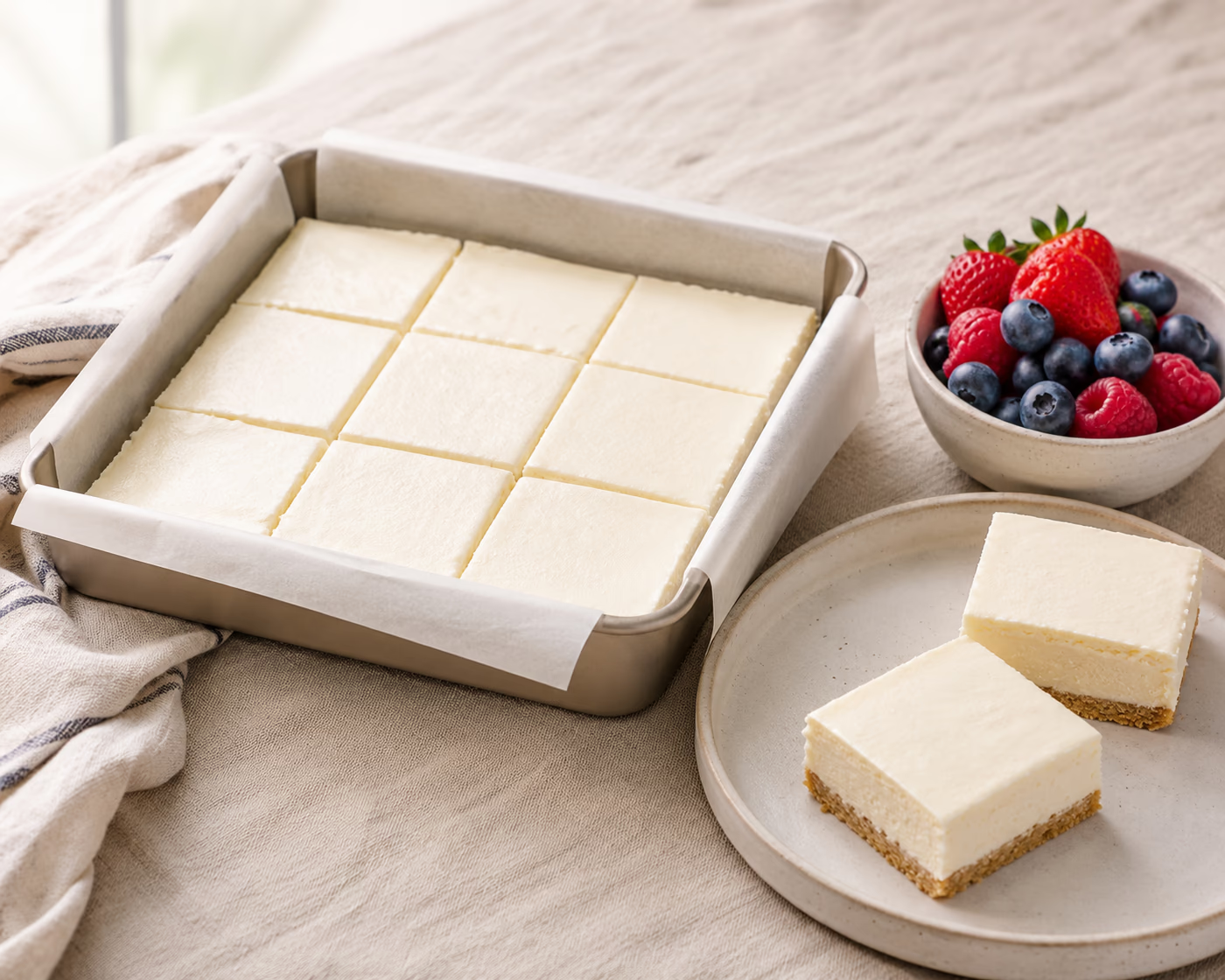
If you made no bake cheesecake bars, lift and slice only the bars you plan to serve. Keep the rest of the slab covered and cold, then cut more later. Clean slices are easier when the whole pan stays chilled.
No-Bake
How long does no-bake cheesecake last in the fridge?
No-bake cheesecake is often at its best in the first 3 to 4 days because the crust softens and whipped or gelatin-set fillings can loosen. That is a quality window, not a universal safety deadline. A specific recipe may support the broader 5-to-7-day refrigerated range, or it may give a shorter instruction because of its filling.
This is why I like adding toppings late. Fresh berries, juicy cherries, jammy sauces, and whipped cream can make a no-bake cheesecake look wonderful on the first day and tired by the third. Keep the base plain when you can, then top slices right before serving.
If an uncooked filling uses eggs, use pasteurized eggs or pasteurized egg products. Use pasteurized dairy too, especially when serving someone who is pregnant, age 65 or older, or immunocompromised.
Store-Bought
How long does store-bought cheesecake last?
Store-bought cheesecake should follow its manufacturer’s refrigeration, thawing, and after-opening instructions. A printed quality date is not automatically a safety deadline, and opening the box does not reset the cheesecake’s age.
The label also cannot fix poor handling. If the cheesecake sat in a warm car, spent too long on the dessert table, or thawed outside its instructions, use the temperature history rather than the printed date to decide.
For bakery cheesecake, ask how long it has already been stored and whether it was frozen before sale. If you do not know, treat it like a fresh perishable dessert and use it sooner.
Freeze
Can you freeze cheesecake?
Yes. Freeze cheesecake early when you know you will not finish it within 5 to 7 days. Slices are easier to portion, while a whole plain cheesecake exposes fewer cut edges. Freezing buys time; it does not improve a slice that was already drying out.
- Chill the cheesecake completely.
- Remove fresh fruit, loose whipped cream, or delicate toppings when practical.
- Freeze slices on a parchment-lined pan until firm if they are soft.
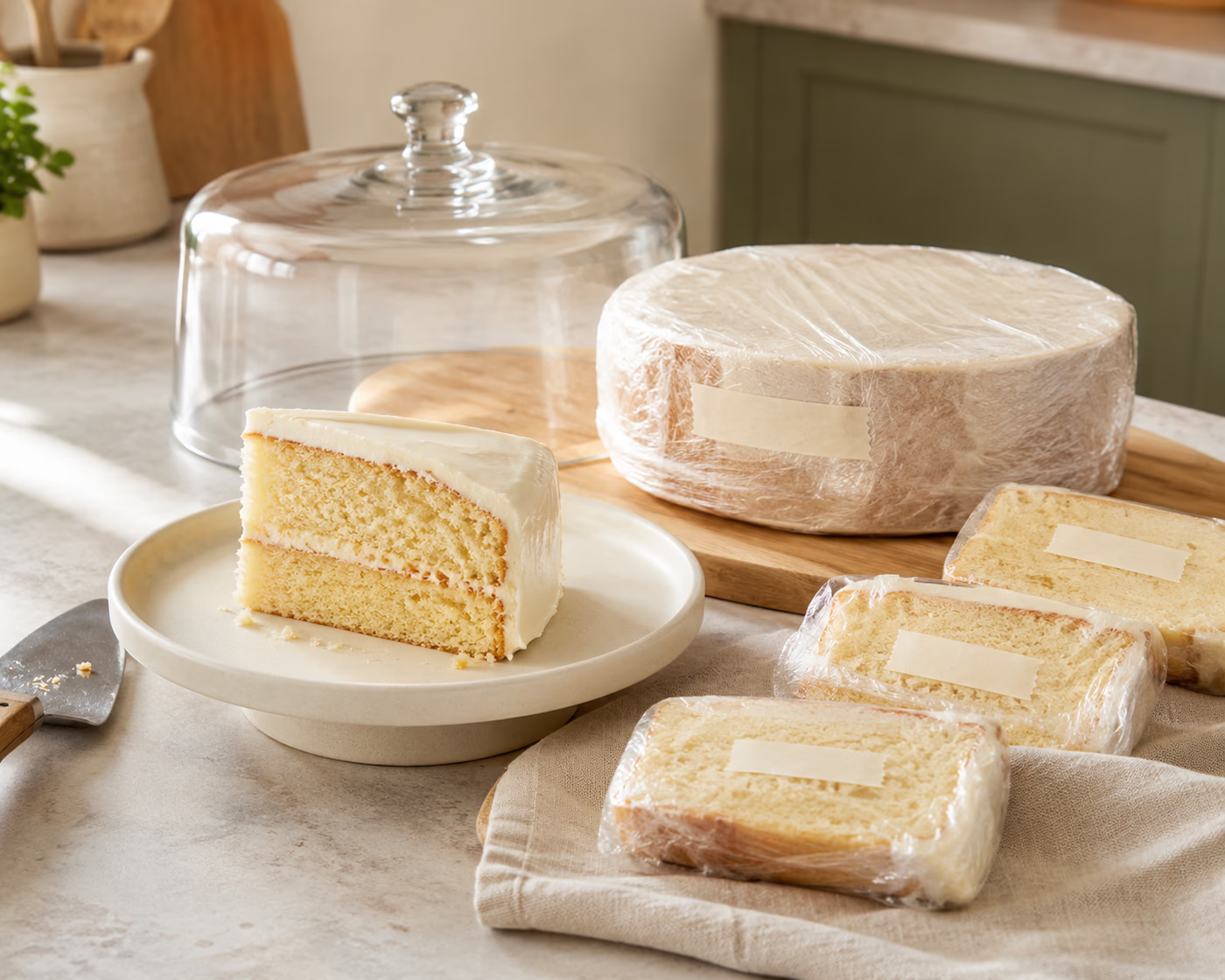
- Wrap each slice tightly in plastic wrap.
- Add a layer of foil or place the wrapped slices in a freezer bag.
- Label with the name and date.
- Use within about 2 to 3 months for best home-freezer quality.
Plain cheesecake freezes better than cheesecake covered in fresh fruit, whipped cream, cookies, or glossy sauces. If you are planning ahead, freeze the cheesecake bare and add toppings after thawing. Food held continuously at 0 F stays safe longer than the quality window, but texture and flavor keep sliding.
Thaw
How to thaw frozen cheesecake
Thaw frozen cheesecake in the refrigerator, still wrapped or covered, until it is sliceable and cold. Individual slices may thaw overnight or within several hours. A whole cheesecake usually needs a longer refrigerator thaw.
Do not thaw cheesecake on the counter for hours. A slow fridge thaw is safer and gentler. It also keeps condensation under control, which matters because moisture can make the crust soggy and the surface sticky.
Once thawed, keep cheesecake refrigerated and eat it promptly. Follow package instructions for a commercial frozen cheesecake, and remember any refrigerator time it had before freezing. Freezing pauses the clock; it does not hand you a brand-new week.
Cheesecake that thawed in the refrigerator and stayed at 40 F or below can be refrozen, although the texture may get grainier or wetter. If it was above 40 F for more than 2 hours, discard it instead of refreezing it.
Left Out
How long can cheesecake sit out?
Cheesecake should not sit out for more than 2 hours at room temperature. If the room is hotter than 90 F, use a 1-hour limit. After that, put safety ahead of dessert and discard it.
This includes the time it spends on the table while people are deciding whether they want “just a sliver.” The timer does not reset every time you move it. Serve the cheesecake, let people take a piece, then return the rest to the refrigerator.
If cheesecake was left out overnight, throw it away. Do not chill it again and hope the fridge undoes the time on the counter. Cold storage slows problems down; it does not rewind them.
Warm Fridge
What if the refrigerator lost power?
An unopened refrigerator generally keeps food cold for about 4 hours during a power outage. Once you can check the cheesecake itself, temperature and time decide the next move: if it was above 40 F for more than 2 hours, discard it. Do not use smell or a still-cool cake plate as proof.
If frozen cheesecake still contains ice crystals or is 40 F or below, it can be refrozen. Expect some texture loss, especially in creamy fillings and wet toppings.
Spoilage
How to tell if cheesecake is bad
Throw away cheesecake if you see mold, smell a sour or unpleasant odor, notice a slimy or tacky surface, see unusual discoloration, or find liquid pooling in a way that is not just a topping weeping a little.
But do not use smell and appearance as your only safety test. Some unsafe food does not look dramatic. If the cheesecake is past the storage window, was left out too long, sat in a warm fridge, or has an unknown history, discard it even if it looks polite.
- Mold: discard the whole cheesecake, not just the spotted part.
- Sour smell: do not taste to confirm.
- Sticky or slimy surface: a texture change is a warning sign.
- Heavy weeping: especially with no-bake filling, this can mean quality has collapsed; use time and temperature, not weeping alone, for the safety decision.
- Unknown time: if nobody knows when it was made or opened, choose caution.
Make-Ahead
The easiest cheesecake make-ahead plan
If you are making cheesecake ahead, build the plan around the serving day instead of around wishful fridge space.
Serving Tomorrow
Make the cheesecake today, chill it covered, and add fresh toppings shortly before serving. This is the best plan for no-bake cheesecake and cheesecake bars.
Serving In 2 To 3 Days
Keep it covered and cold. Avoid fresh fruit toppings until serving day, and label the container so nobody has to guess.
Serving Later
Freeze plain slices or a plain whole cheesecake. Thaw in the refrigerator and decorate after thawing.
Taking It Somewhere
Use an insulated cooler with enough ice or cold packs to hold the cheesecake at 40 F or below. Keep serving time short and count every trip out of cold storage toward the same 2-hour limit.
For other chilled desserts, use the same instinct: short room-temperature window, covered fridge storage, and toppings added late when they are likely to weep. That helps with 3 ingredient banana pudding, no-bake peanut butter bars, and coconut icebox cake too.
FAQ
Cheesecake storage questions
Is cheesecake still good after 5 days in the fridge?
It can be. Day 5 falls inside the general 5-to-7-day range when cheesecake was refrigerated promptly, held at 40 F or below, and kept covered. Use a shorter recipe, topping, or manufacturer instruction when one applies, and discard cheesecake with an unknown temperature history.
Can you eat cheesecake that was left out overnight?
No. Cheesecake left out overnight should be discarded. Refrigerating it in the morning does not make it safe again.
Does cheesecake need to be covered in the fridge?
Yes. Cover cheesecake or store slices in an airtight container. Uncovered cheesecake dries at the edges and can absorb refrigerator odors.
How long does cheesecake last after thawing?
Eat thawed cheesecake promptly and follow any manufacturer instruction. Count refrigerator time before freezing, because thawing does not create a new full storage window. Do not thaw it on the counter.
Can you freeze cheesecake with fruit topping?
You can, but the fruit may turn soft, watery, or messy after thawing. For the best texture, freeze plain cheesecake and add fresh fruit or sauce after it thaws.
Where is the best place to store cheesecake in the fridge?
Store cheesecake on a refrigerator shelf, preferably toward the back or middle where the temperature is steadier. Avoid the door because it warms more often.
Does opening cheesecake restart the fridge clock?
No. Count from when the cheesecake was made or thawed, and include its cumulative time out for serving. Opening, slicing, or returning it to the refrigerator does not make the cheesecake new again.
What allergens are usually in cheesecake?
Traditional cheesecake commonly contains milk and eggs, and graham-cracker or cookie crusts commonly contain wheat. Chocolate, nuts, flavorings, no-bake mixes, and packaged toppings may add soy, peanuts, tree nuts, sesame, or cross-contact, so check the exact recipe and labels.
Next Steps
Keep the chilled-dessert lane tidy
If you are storing a pan of no bake cheesecake bars, keep the slab cold and slice only what you need. For plain cake, buttercream cake, cake layers, and slices, use how to store cake. For cookies and drier baked goods, use how to store cookies because the rules are different.
The calmer move is simple: label the date, keep cold desserts covered, and freeze before you are forced to decide whether dessert is still dessert. The fridge is not a courtroom. It does not need a debate every time you open the door.