
Storage answer
Fridge, counter, or freezer?
- Best move
- Cool completely, sort by texture, and store most plain cookies in airtight containers at room temperature.
- Room temp
- Most plain soft, chewy, crisp, or dry cookies keep best in airtight containers at room temperature.
- Fridge
- Refrigerate cookies with cream cheese frosting, whipped cream, custard, ricotta, mascarpone, or fresh fruit fillings.
- Freezer
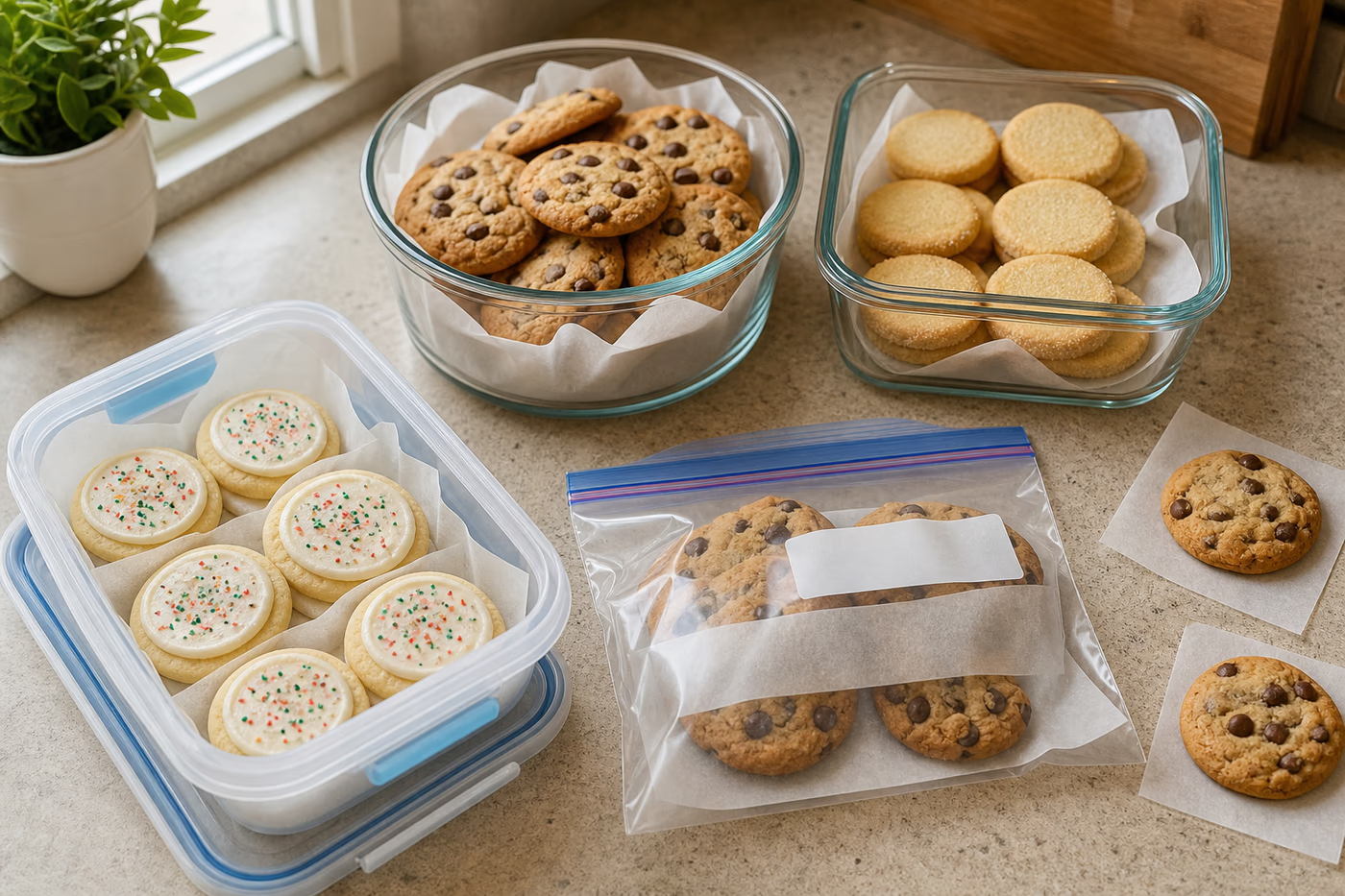
- Freeze cooled baked cookies in freezer-safe bags or containers with parchment between layers.
Do not keep it if you see
- Mold
- Sour or off smell
- Sticky, wet, or spoiled filling
- Unknown time out for perishable fillings
Plain cookies follow texture rules; cookies with perishable fillings or toppings need refrigerator rules.
Start Here
Cookies need sorting, not stress
Learning how to store cookies is mostly learning not to treat every cookie like the same cookie. A soft chocolate chip cookie wants a different home than a crisp shortbread cookie. A frosted sugar cookie needs the icing to set. A ricotta cookie or cream-filled cookie has to respect the refrigerator.
For most plain baked cookies, the useful move is simple: cool them completely, sort similar textures together, and store them in an airtight container at room temperature. If you will not eat them soon, freeze the cookies after they cool instead of letting them slowly lose their charm on the counter.
Quick Answer
What is the best way to store cookies?
The best way to store most baked cookies is in an airtight container at room temperature after they have cooled completely. Keep soft cookies with soft cookies, crisp cookies with crisp cookies, and frosted, decorated, or filled cookies in their own container.
Do cookies need to be refrigerated? Most plain cookies do not. Chocolate chip cookies, oatmeal cookies, shortbread, biscotti-style cookies, and many dry sugar cookies usually keep better at room temperature because the refrigerator can dry them out or dull their flavor.
Do not put warm cookies into a closed container. Steam turns into trapped moisture, and trapped moisture makes crisp cookies soggy and frosted cookies messy. Let the cookies cool first, then pack them with parchment between layers if they are tender, decorated, or likely to stick.
If the cookies have cream cheese frosting, ricotta, custard, whipped cream, fresh fruit filling, or another perishable filling or topping, refrigerate them instead of leaving them on the counter. That is the small safety line that matters. Plain cookies get texture rules; perishable cookies get chill rules.
Fridge Or Counter
Should cookies be stored in the fridge?
Most plain cookies should not be stored in the fridge. Chocolate chip cookies, oatmeal cookies, shortbread, biscotti-style cookies, and many plain sugar cookies usually keep a better texture in an airtight container at room temperature.
Use the fridge when the cookie has something perishable on or inside it: cream cheese frosting, whipped cream, custard, pastry cream, ricotta, mascarpone, or a fresh fruit filling that needs chilling. Refrigerate those cookies within 2 hours, or within 1 hour if the room is hotter than 90 F.
My usual move is to ask one question before I put cookies away: am I protecting texture, or am I protecting a perishable filling? That answer tells you whether the cookie belongs on the counter, in the fridge, or in the freezer.
Storage Map
The cookie storage map
Start with the cookie type, then choose the container. This keeps soft cookies soft, crisp cookies crisp, and decorated cookies presentable.
| Cookie Type | Best Storage | Fridge? | Watch For |
|---|---|---|---|
| Soft chocolate chip, oatmeal, peanut butter, soft sugar cookies | Airtight container at room temperature | No, unless a topping or filling needs it. | Add a slice of plain white bread only if you want extra softness. |
| Crisp shortbread, gingersnaps, biscotti-style cookies | Airtight container, stored separately from soft cookies | No. | Skip bread and keep moisture away. |
| Frosted sugar cookies | Let frosting set, then store in a single layer or parchment-separated layers | Only if the frosting is perishable. | Keep the stack shallow so the tops do not smear. |
| Royal-icing decorated cookies | Let icing dry fully, then layer with parchment in a container | Usually no. | Do not stack before the surface is firm. |
| Ricotta, cream cheese, custard, or cream-filled cookies | Covered container in the refrigerator | Yes. | Follow perishable-food timing, not plain-cookie timing. |
| Meringue cookies | Dry airtight container at cool room temperature | No, unless the recipe says otherwise. | Avoid refrigerator humidity and bread slices. |
| Cookies for later | Freezer-safe bag or container after cooling completely | No; freeze instead for longer storage. | Use parchment between layers and label the date. |
Decorated Cookies
How to store frosted sugar cookies and decorated cookies
Store frosted sugar cookies only after the frosting has set enough that it will not smear. For short storage, arrange them in a single layer if you can. If you need to stack them, place parchment or wax paper between layers and keep the stack shallow.
Royal-icing cookies need more patience. Let the icing dry fully before you pack or stack them. Once the surface is firm, store them in an airtight container with parchment between layers so the decorations do not scrape against each other.
Whether frosted cookies need the refrigerator depends on the frosting. A simple shelf-stable glaze may be fine at room temperature for a short window, but cream cheese frosting, whipped cream, custard, ricotta, or other dairy-rich fillings should go into the refrigerator.
Meringues
How to store meringue cookies
Meringue cookies need dry storage. Let them cool completely, then keep them in an airtight container at cool room temperature. Do not add bread, do not store them with chewy cookies, and avoid the refrigerator unless a specific recipe tells you otherwise.
Humidity is the enemy here. A meringue that was crisp yesterday can turn tacky if it sits in damp air. If your kitchen is humid, pack them as soon as they are fully cool and keep the container closed until serving.
Freeze
Can you freeze baked cookies?
Yes. Many baked cookies freeze well after they cool completely. Freeze them when you need more than a few days of storage or when you want to bake ahead without asking room-temperature containers to do too much.
- Cool the cookies completely.
- Place sturdy cookies in a freezer-safe bag or container.
- Layer tender, frosted, or decorated cookies with parchment.
- Press extra air out of bags without crushing the cookies.
- Label the container with the cookie name and date.
- Freeze for best quality within about 1 to 3 months.
- Thaw at room temperature, still wrapped or covered, so condensation forms on the packaging instead of directly on the cookies.
For delicate cookies, freeze them in a single layer until firm before packing tightly. That small step keeps soft frosting, tender edges, and careful decorations from getting flattened.
If you want future fresh-baked cookies instead of thawed baked cookies, use how to freeze cookie dough. Dough freezing is the better move when the goal is warm cookies on demand. Baked-cookie freezing is the better move when the cookies are already made.
Avoid
Cookie storage mistakes that make cookies worse
Most cookie-storage problems come from trapping the wrong kind of moisture or ignoring the filling. These are the habits worth skipping.
- Packing warm cookies: steam softens crisp edges and can make frosted cookies sticky.
- Mixing soft and crisp cookies: the crisp cookies lose snap and the soft cookies can dry out.
- Using bread in every container: bread helps soft cookies but hurts crisp cookies and meringues.
- Stacking wet icing: let frosting or icing set before layering.
- Refrigerating every cookie: chill perishable fillings, but keep many plain cookies at room temperature.
- Treating filled cookies like plain cookies: dairy-rich, egg-rich, or fresh-fruit fillings need refrigerator rules, not cookie-jar rules.
- Leaving freezer bags unlabeled: future-you deserves to know what is in the bag and when it went in.
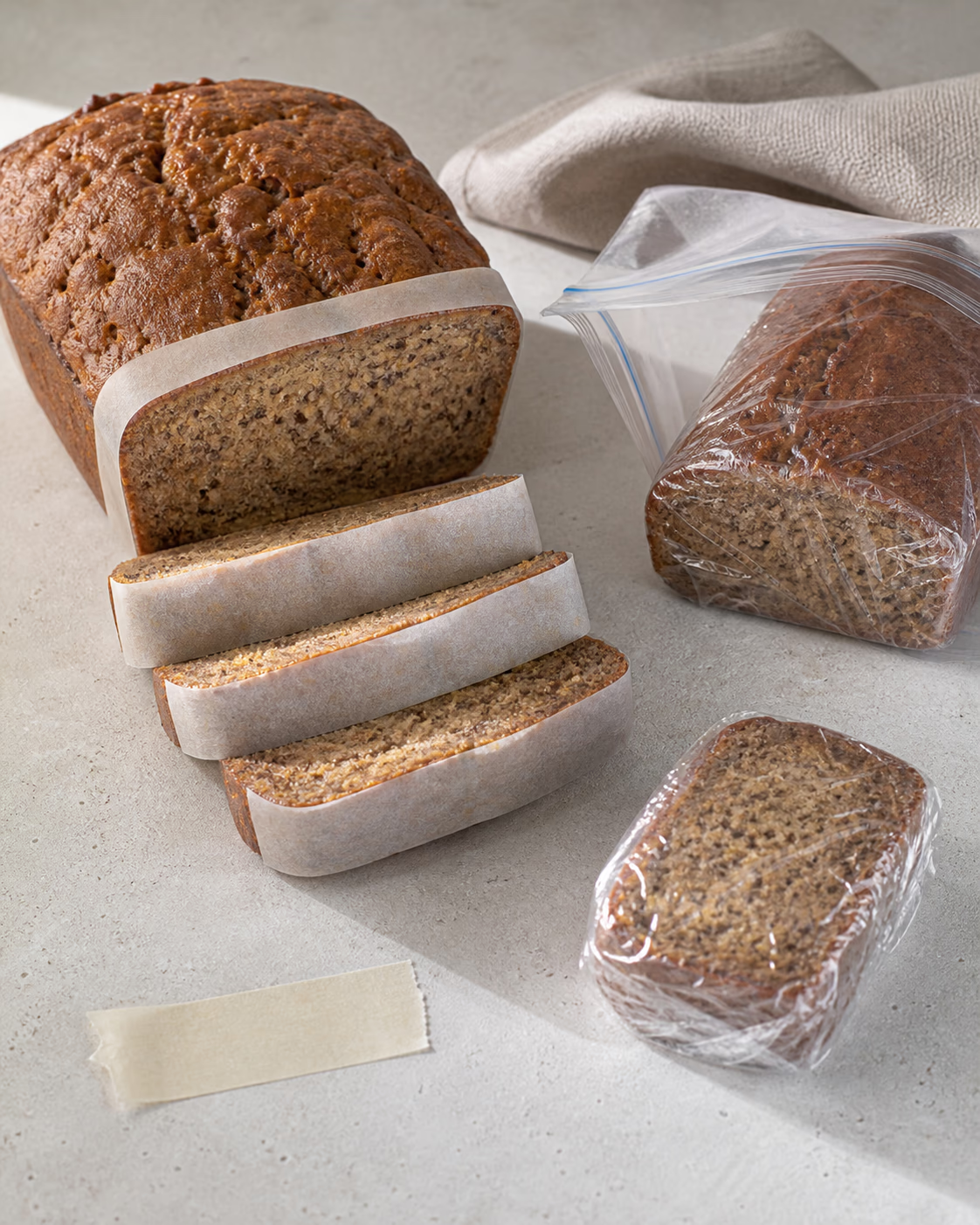
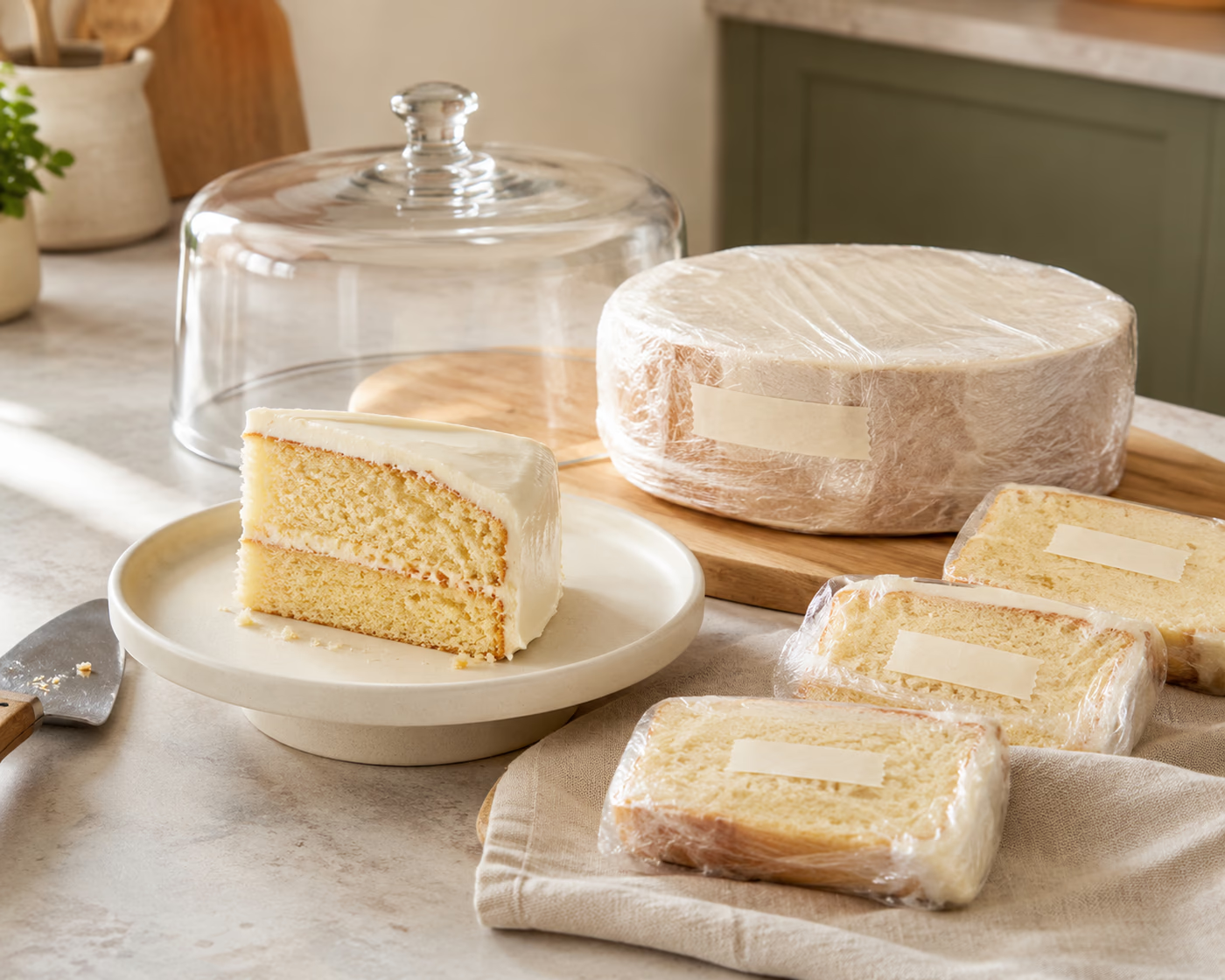
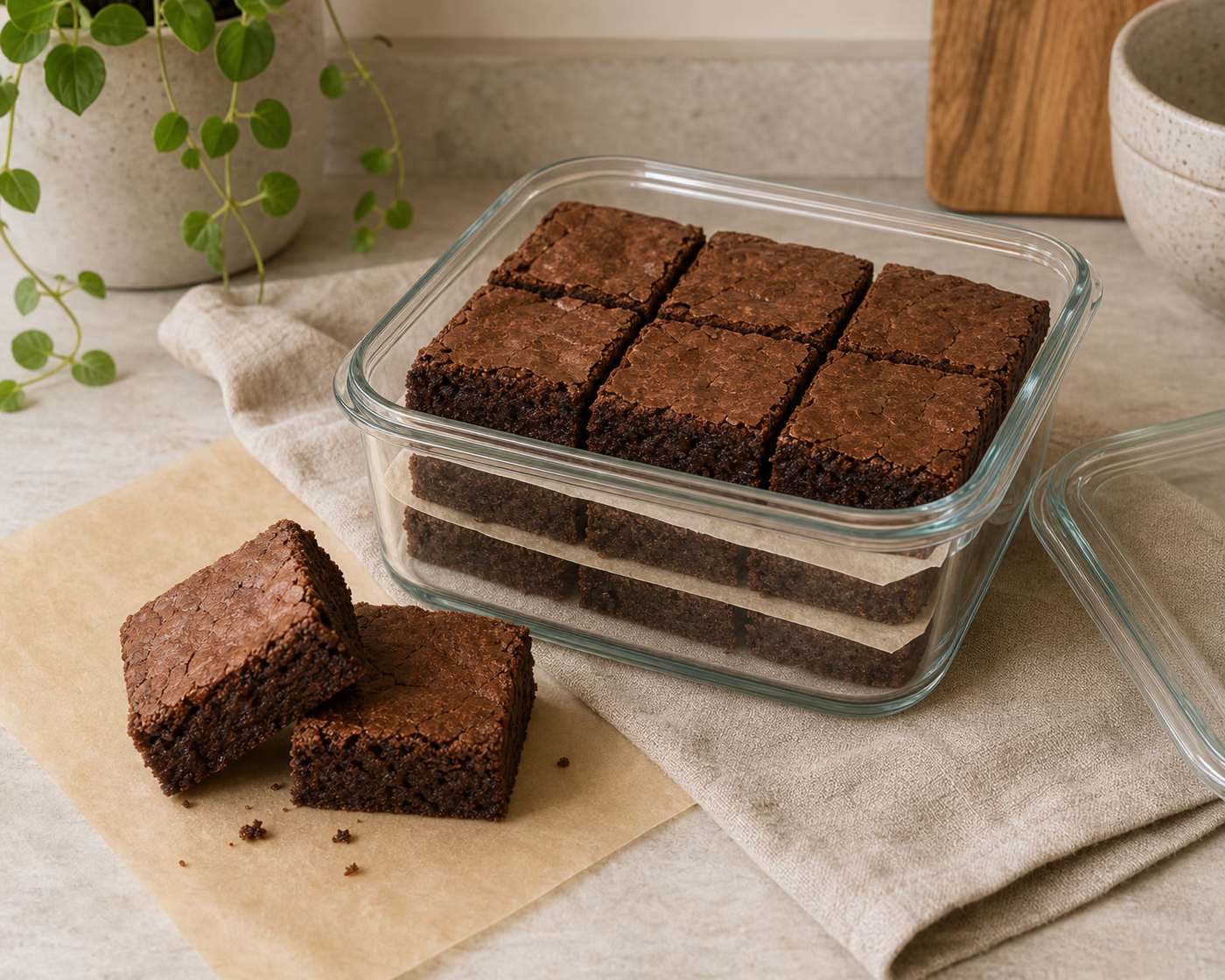
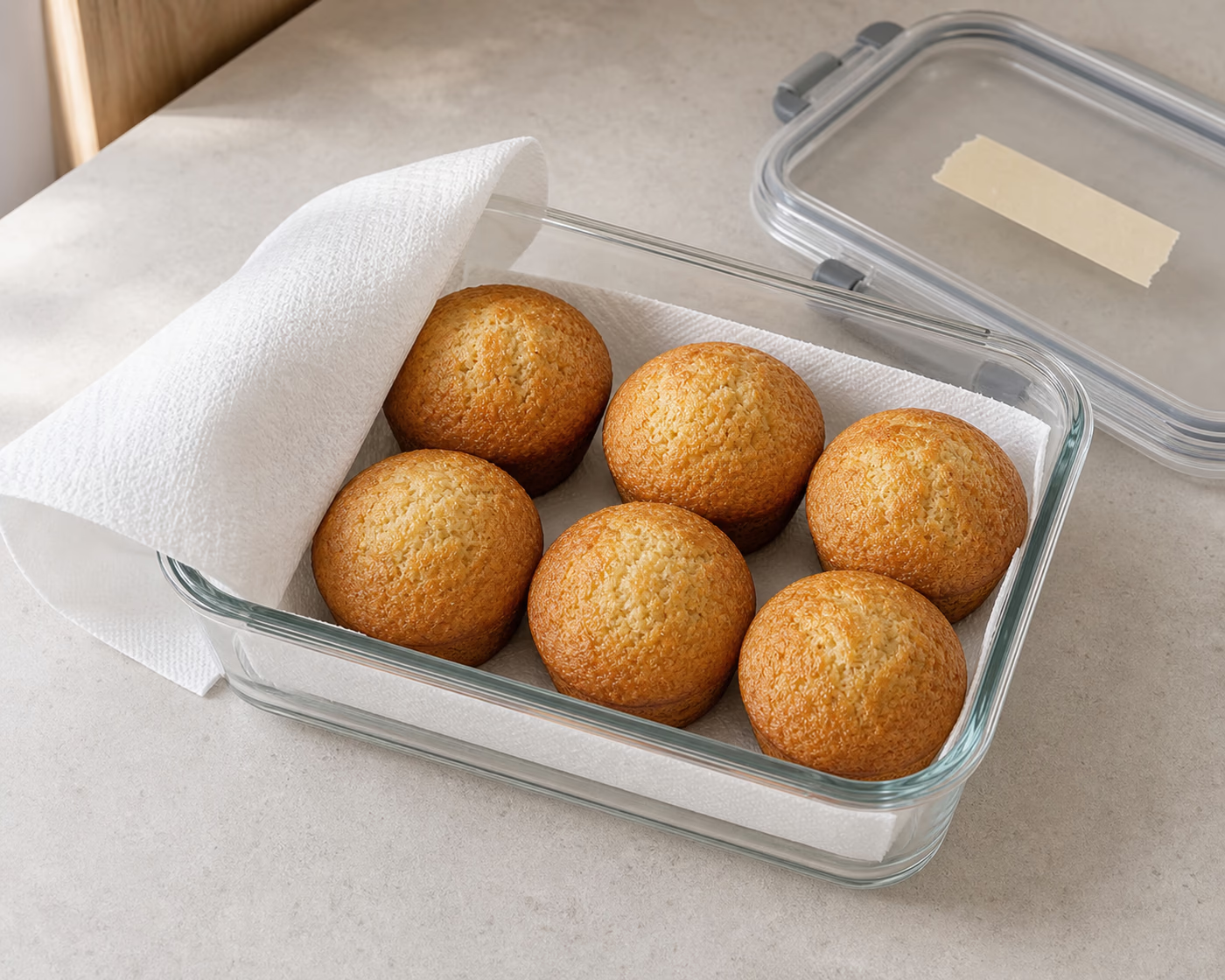
For chilled bars and no-bake desserts, follow the recipe-specific storage note. The no-bake peanut butter bars, for example, behave more like a chilled set dessert than a plate of plain cookies. For fudgy squares and cut edges, use how to store brownies. For muffins with sticky tops, use how to store muffins. For frosted cupcake carriers, perishable toppings, and freezer decisions, use how to store cupcakes. For a moist loaf, use how to store banana bread. For slices, layers, and frosted cakes, use how to store cake.
FAQ
Cookie storage questions
Will cookies stay fresh in a Ziploc bag?
Yes, a zipper bag can work for short storage if it seals well and the cookies are completely cool. Use a rigid container for fragile, frosted, or decorated cookies that might break or smear.
Does a slice of bread keep cookies fresh?
A slice of plain white bread can help soft cookies stay softer in an airtight container. It is not a good choice for crisp cookies, meringues, or decorated cookies with delicate icing.
Do paper towels keep cookies fresh?
Paper towels can absorb a little extra moisture, but they are not the main storage solution. Use airtight containers, separate cookie textures, and parchment between layers when cookies are sticky or fragile.
Should cookies be refrigerated?
Most plain cookies do not need the refrigerator. Refrigerate cookies with perishable fillings, cream cheese frosting, whipped cream, custard, ricotta, or similar dairy-rich toppings.
Are cookies perishable?
Plain baked cookies are usually treated as room-temperature baked goods, but cookies with perishable fillings or toppings are perishable. If the cookie has cream cheese, custard, whipped cream, ricotta, mascarpone, or a fresh fruit filling that needs chilling, refrigerate it within two hours.
How do you store cookies decorated with royal icing?
Let royal icing dry completely, then store the cookies in an airtight container with parchment between layers. Keep the stack shallow so the decorations do not scrape or dent.
How do you store ricotta cookies?
Store ricotta cookies in a covered container in the refrigerator, especially if they have ricotta in the dough, glaze, or topping. Bring them closer to room temperature before serving if you prefer a softer texture.
Can you freeze sugar cookies?
Yes. Plain baked sugar cookies freeze well when fully cooled and packed airtight. Frosted or decorated sugar cookies can also freeze, but the icing should be fully set and protected with parchment.