
At a glance
Before you start
- Topic
- Kitchen Systems
- Read time
- 7 minute read
- Updated
- June 30, 2026
Start Here
Tomatoes need a ripeness decision
Learning how to store tomatoes starts with one question: are they ripe yet? A firm tomato that still needs flavor belongs on the counter. A fully ripe tomato in a hot kitchen may need the refrigerator as a short save. A cut tomato is different again, because once it is sliced, it belongs in the fridge.
The best storage depends on the tomato in front of you, not on a single rule. Keep whole tomatoes at room temperature until they ripen, use ripe tomatoes soon, refrigerate ripe tomatoes when heat or timing is working against you, and keep cut tomatoes covered and cold.
Quick Answer
What is the best way to store tomatoes?
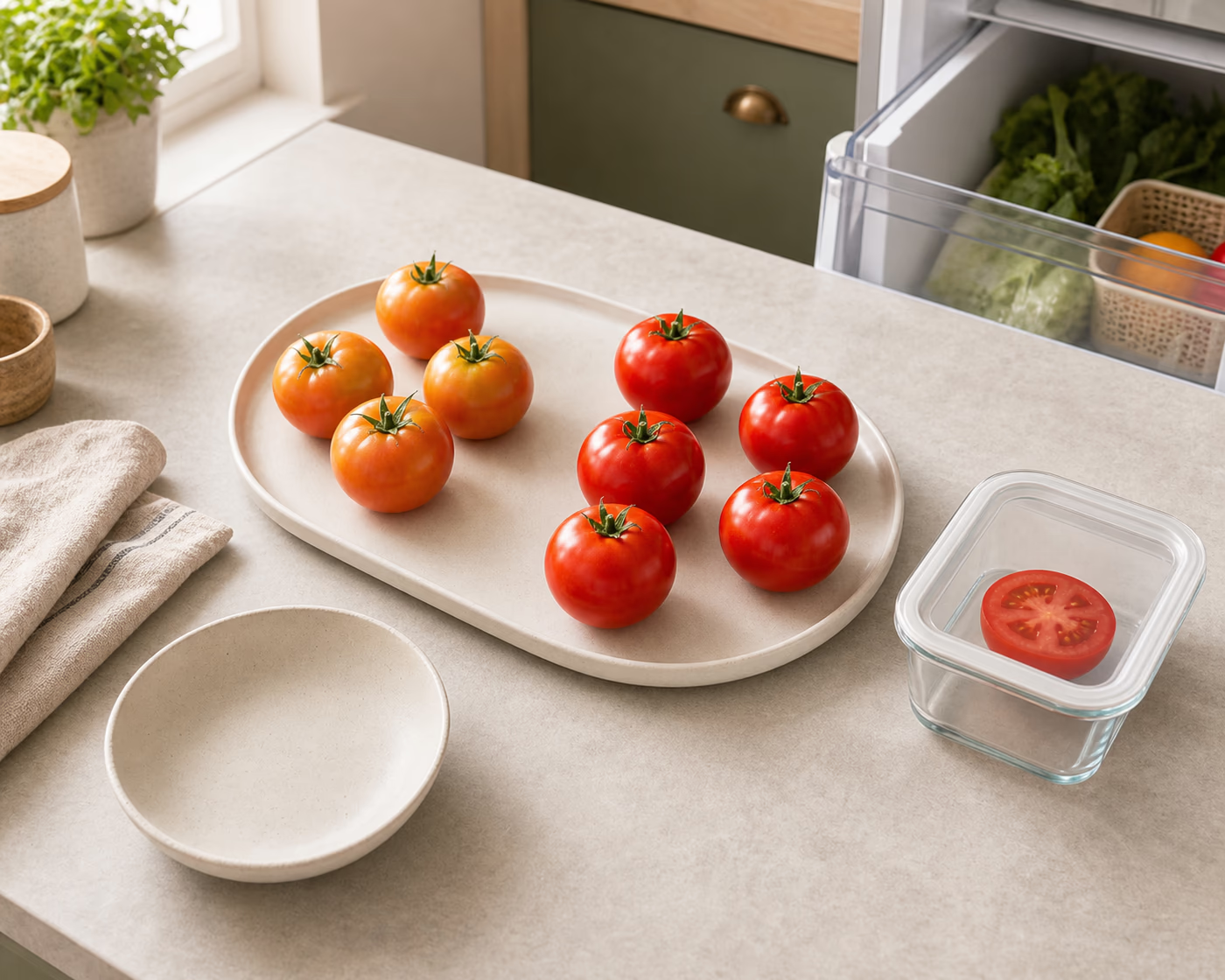
The best way to store tomatoes is to keep uncut tomatoes on the counter until they are ripe. Set them in a single layer or loose group, away from direct sun and away from heat. Give them a little space so one soft tomato does not press into the next one.
Once tomatoes are fully ripe, use them soon. If the kitchen is warm or you cannot use them before they soften too far, move them to the refrigerator. For fresh eating, bring chilled tomatoes back toward room temperature before slicing so they taste more like themselves.
My usual move is to check the ripest tomato before I put away the rest of the groceries. The almost-too-soft one gets promoted to lunch, salad, sauce, or the refrigerator. The firm ones stay where I can see them.
Storage Map
The tomato storage decision map
Use the tomato’s condition to choose the storage. This is the small difference that keeps the counter-versus-fridge advice from turning into kitchen folklore.
| Tomato Situation | Best Move | Why It Helps |
|---|---|---|
| Firm or not-quite-ripe whole tomatoes | Store at room temperature, away from direct sun | They need time to finish ripening and build flavor. |
| Fully ripe tomatoes you will eat today or tomorrow | Keep on the counter if the room is cool | Room-temperature tomatoes usually taste better fresh. |
| Fully ripe tomatoes in a hot kitchen | Refrigerate as a short save | Cold slows the slide from ripe to overripe. |
| Cherry or grape tomatoes | Use the same rule: counter until ripe, fridge when ripe and at risk | Small tomatoes still lose quality when trapped warm too long. |
| Cut, sliced, diced, or peeled tomatoes | Cover and refrigerate | Cut tomatoes need cold storage, even if whole tomatoes were on the counter. |
| Overripe but not spoiled tomatoes | Cook soon or freeze for sauce-bound use | Texture may be too soft for slices but useful in cooked dishes. |
| Moldy, leaking, rotten-smelling, collapsed, or deeply mushy tomatoes | Discard | Rinsing does not rescue rotten produce. |
Counter
How to store tomatoes on the counter
The counter is the right place for whole tomatoes that are still ripening. Use a shallow bowl, plate, tray, or clean towel-lined spot where you can see them. Keep them away from direct sun, the stove, and warm appliances.
If the stem scar is exposed, you can set the tomato stem side down to help protect that tender spot from drying out too quickly. Do not overthink it. The bigger wins are room temperature, gentle handling, and checking the ripest tomatoes first.
- Sort by ripeness. Put the softest tomatoes where you will notice them.
- Keep them visible. Hidden tomatoes become overripe tomatoes with confidence.
- Give them space. Avoid stacking heavy tomatoes on delicate ones.
- Skip the sealed bag. A closed bag can speed ripening, but it can also speed the trip to too-soft.
- Check daily. Move fully ripe tomatoes into a meal, sauce, or the refrigerator.
Counter tomatoes are exactly what I want for chicken salad sandwiches, quick toast, or a plate with salt and olive oil. If they are good, let them be the fresh thing.
Fridge
Should tomatoes be refrigerated?
The refrigerator is not the best place for every tomato, but it is not the villain either. Unripe tomatoes should stay at room temperature so they can finish ripening. Fully ripe tomatoes are different. If they are ready now and your kitchen is warm, the fridge can buy you a little time.
For fresh slices, let refrigerated tomatoes sit out until they lose the hard chill before serving. Cold dulls the tomato experience, especially when the tomato is going into a sandwich, salad, or taco topping. For cooked dishes, you can use chilled ripe tomatoes straight from the fridge.
This is the practical middle ground: do not chill tomatoes too early, but do not let ripe tomatoes collapse on the counter just to obey an old rule.
Ripe Tomatoes
How to store ripe tomatoes
A ripe tomato should be used while it still feels heavy, fragrant, and gently yielding, not watery or collapsed. If dinner is happening soon, leave it on the counter. If you have more ripe tomatoes than you can use, move the extras to the refrigerator and make a plan.
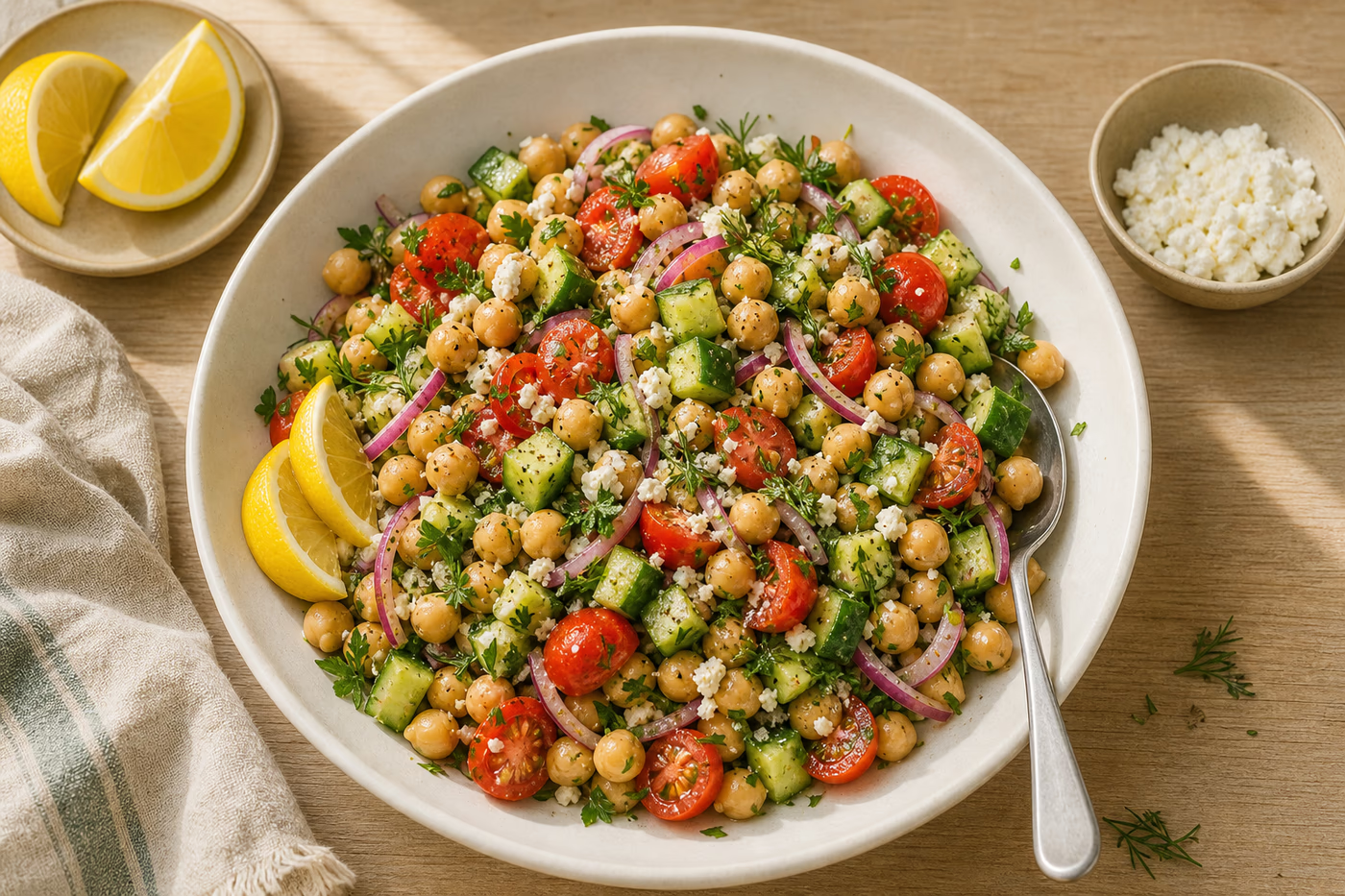
Ripe tomatoes are useful in chickpea salad, cucumber tomato salad, black bean and corn salad, and bowls that need something juicy. If a tomato is already too soft for clean slices, cook it or freeze it for sauce instead of asking it to behave like a sandwich tomato.
Cut Tomatoes
How to store cut or sliced tomatoes
A cut tomato is no longer a counter tomato. Once tomatoes are cut, sliced, diced, peeled, or packaged as ready-to-use produce, store them covered in the refrigerator. Use a small airtight container, a covered dish, or a wrap pressed close enough to protect the cut surface without smashing it.
Use cut tomatoes quickly for best quality. They soften, release juice, and lose the clean sliced-tomato texture faster than whole tomatoes. If a cut tomato sat out too long, especially in a warm kitchen or outdoors, discard it.
For cookouts and packed food, pair cut tomatoes with the cold-holding habits in picnic food safety. Whole tomatoes can wait on the counter. Cut tomatoes need a colder plan.
Cherry Tomatoes
How to store cherry or grape tomatoes
Cherry and grape tomatoes follow the same basic rule as larger tomatoes. Keep them at room temperature while they still taste a little firm or flat. Once they are sweet, ripe, and starting to soften, use them or refrigerate them for a short save.
Because small tomatoes often come in a clamshell or bag, check the bottom layer. Remove any split, leaking, moldy, or collapsed tomatoes before the rest go back into storage. One wet tomato can make the container decline faster.
Cherry tomatoes are handy for cherry tomato pasta, pasta salad, quick bowls, snack plates, and fish tacos when you want a fresh topping without chopping a large tomato.
Washing
Should you wash tomatoes before storing them?
For normal whole-tomato storage, wait to wash until you are ready to cut or eat. Extra moisture can encourage soft spots, especially if tomatoes are stored in a container. When it is time to use them, rinse tomatoes under running water and dry them with a clean towel.
Skip soap, detergent, bleach, and commercial produce wash. Plain running water is the safer home baseline. Wash before cutting, because the knife passes through the outside of the tomato on its way in.
Freeze
Can you freeze tomatoes?
Freezing tomatoes is useful when they are ripe and you know you will not use them in time. The texture softens after thawing, so frozen tomatoes are best for sauce, soup, stew, chili, braises, and other cooked dishes.
- Sort the tomatoes and discard any moldy, rotten, leaking, or deeply mushy ones.
- Wash under running water and dry well.
- Core large tomatoes if you like, and halve or chop them if that is how you will cook them later.
- Freeze on a tray until firm if you want separate pieces.
- Transfer to a labeled freezer bag or freezer-safe container.
- Use from frozen or thaw in the refrigerator before cooking.
Keep the freezer at 0 F. Frozen tomatoes stay safe while properly frozen, but quality changes over time, so label the bag and use them while they still taste good.
Spoilage
How can you tell if tomatoes are bad?
Discard tomatoes with mold, a rotten or fermented smell, leaking liquid, collapsed flesh, or deep mushy spots. A small surface bruise can sometimes be trimmed from a tomato you are cooking right away, but a tomato that is breaking down all over is done.
Do not rinse a spoiled tomato and call it saved. Rinsing removes surface dirt from sound produce; it does not make rotten produce safe or good. If the storage history is unclear and the tomato looks or smells wrong, choose caution.
Avoid
Tomato storage mistakes that ruin flavor or texture
Most tomato storage problems come from chilling too early, forgetting ripe tomatoes, or treating cut tomatoes like whole ones. These are the habits worth skipping.
- Refrigerating unripe tomatoes: let them ripen at room temperature first.
- Leaving ripe tomatoes in a hot kitchen: use the refrigerator as a short save when heat is the problem.
- Stacking tomatoes deeply: weight and pressure create bruises and soft spots.
- Washing before storage: store whole tomatoes dry, then wash before cutting or eating.
- Leaving cut tomatoes out: cut tomatoes need covered refrigerator storage.
- Freezing for fresh slices: frozen tomatoes are for cooked dishes, not sandwiches or salads.
- Saving rotten tomatoes: mold, leaks, rotten smells, and collapsed texture mean discard.
The calmer version is simple: ripen on the counter, rescue ripe tomatoes with the fridge when needed, and put every cut tomato in the refrigerator.
FAQ
Tomato storage questions
Should tomatoes be stored stem side up or down?
If the stem scar is exposed, storing tomatoes stem side down can help protect that tender spot. It is a small helper, not the whole method. Ripeness, room temperature, gentle handling, and daily checks matter more.
Can tomatoes and onions be stored together?
It is better to keep tomatoes and onions separate. Tomatoes need a gentle, visible spot while they ripen, and onions prefer a dry, ventilated storage area. They also tend to land in different cooking timelines.
How do you make store-bought tomatoes taste better?
Let firm store-bought tomatoes ripen at room temperature, then serve them closer to room temperature with salt, olive oil, herbs, lemon, or a good dressing. Chilling them too early will not help flavor.
How long do cut tomatoes last?
Cut tomatoes are best used quickly after refrigeration. Store them covered at 40 F or below, and discard them if they smell off, leak heavily, turn slimy, grow mold, or sat out too long.
Can you store tomatoes in a plastic bag?
A closed bag can speed ripening, but it can also trap moisture and push tomatoes from ripe to too soft. For everyday storage, use a plate, tray, shallow bowl, or open container where you can see the tomatoes.
What should I do with overripe tomatoes?
If overripe tomatoes still smell good and are not moldy, leaking, or rotten, cook them soon or freeze them for sauce, soup, stew, or braises. If they are spoiled, discard them.
Use It
Where stored tomatoes help dinner
Good tomato storage pays off when dinner needs one bright thing. Use ripe tomatoes in chickpea salad, cucumber tomato salad, black bean and corn salad, or burrito bowls. Use softer tomatoes for cooked sauces, quick skillet additions, or freezer bags marked for future soup.
If the tomatoes are headed for taco night, keep guacamole, fish tacos, and taco seasoning nearby. If they are headed for lunch, slice the best one for a sandwich and refrigerate the cut half before future-you has to negotiate with it.