
At a glance
Before you start
- Topic
- Kitchen Systems
- Read time
- 8 minute read
- Updated
- June 14, 2026
Start Here
The cooler is part of the recipe
Picnic food safety is not about making the table feel fussy. It is about giving cold food a plan before it leaves the refrigerator. Pasta salad, chicken salad, tuna salad, deviled eggs, cut fruit, bean salad, and dips all get easier to enjoy when the cooler, ice, clock, and shade are handled before anyone is hungry.
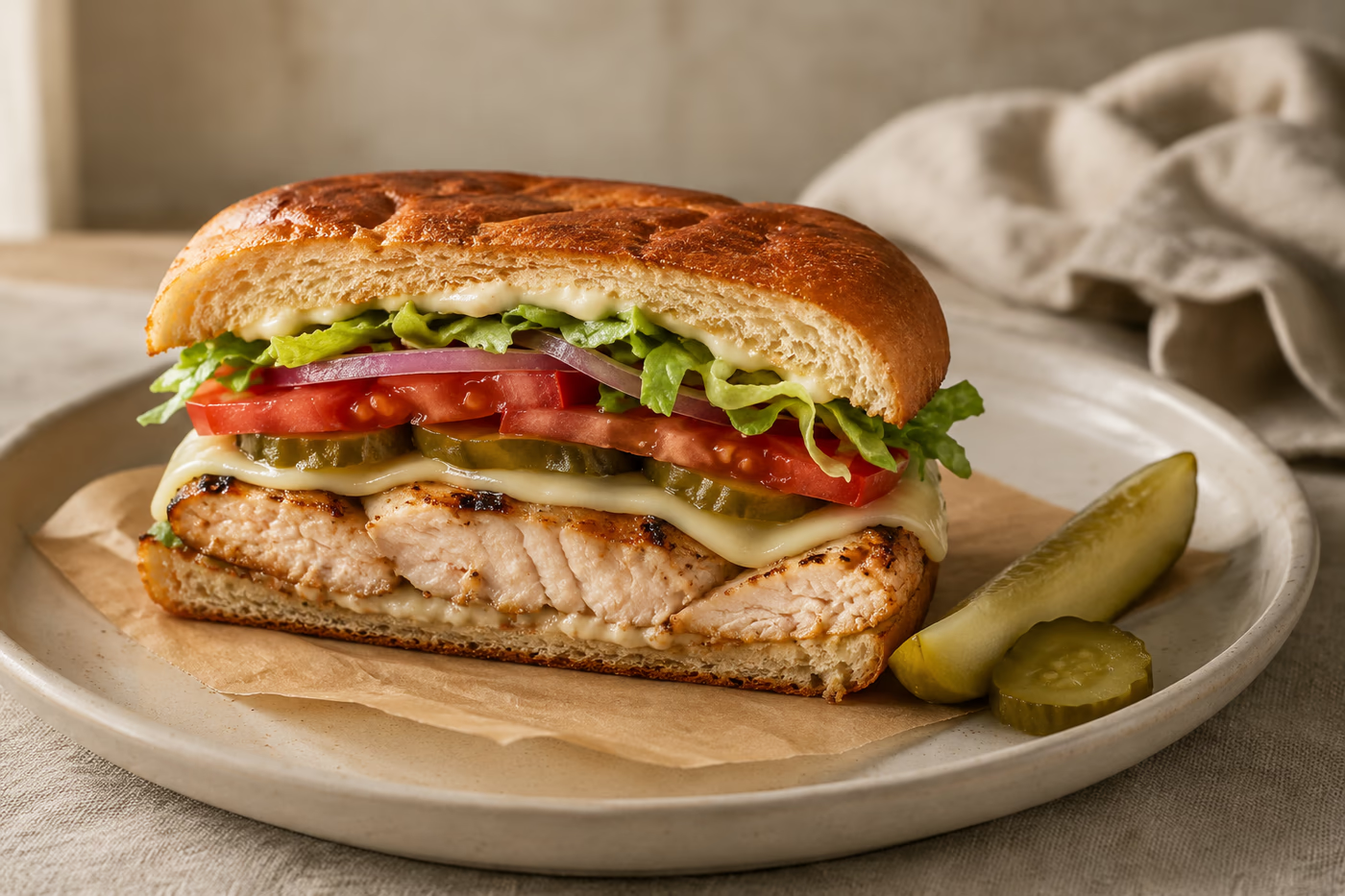
The rule I keep in my head is simple: cold food should stay cold, hot food should stay hot, and the serving bowl should not be asked to sit outside all afternoon. I would rather refill a small bowl twice than watch the whole batch warm up on the table. If a grilled chicken sandwich is joining the cookout, keep the cooked chicken and perishable toppings on the same clock.
Use this as the practical picnic setup for cold salads and cookout sides: chill first, pack with cold sources, serve small amounts over ice, and let questionable leftovers go.
Quick Answer
What is the safest way to handle picnic food?
The safest way to handle picnic food is to keep cold foods at 40 F or below, keep hot foods at 140 F or above, and track how long perishable food sits out. If cold food has been out longer than 2 hours, or longer than 1 hour when the temperature is above 90 F, throw it away.
That sounds strict, but the setup is ordinary: a cold cooler, enough ice or gel packs, clean serving utensils, a smaller bowl over ice, and a quiet decision not to save food with a sketchy timeline.
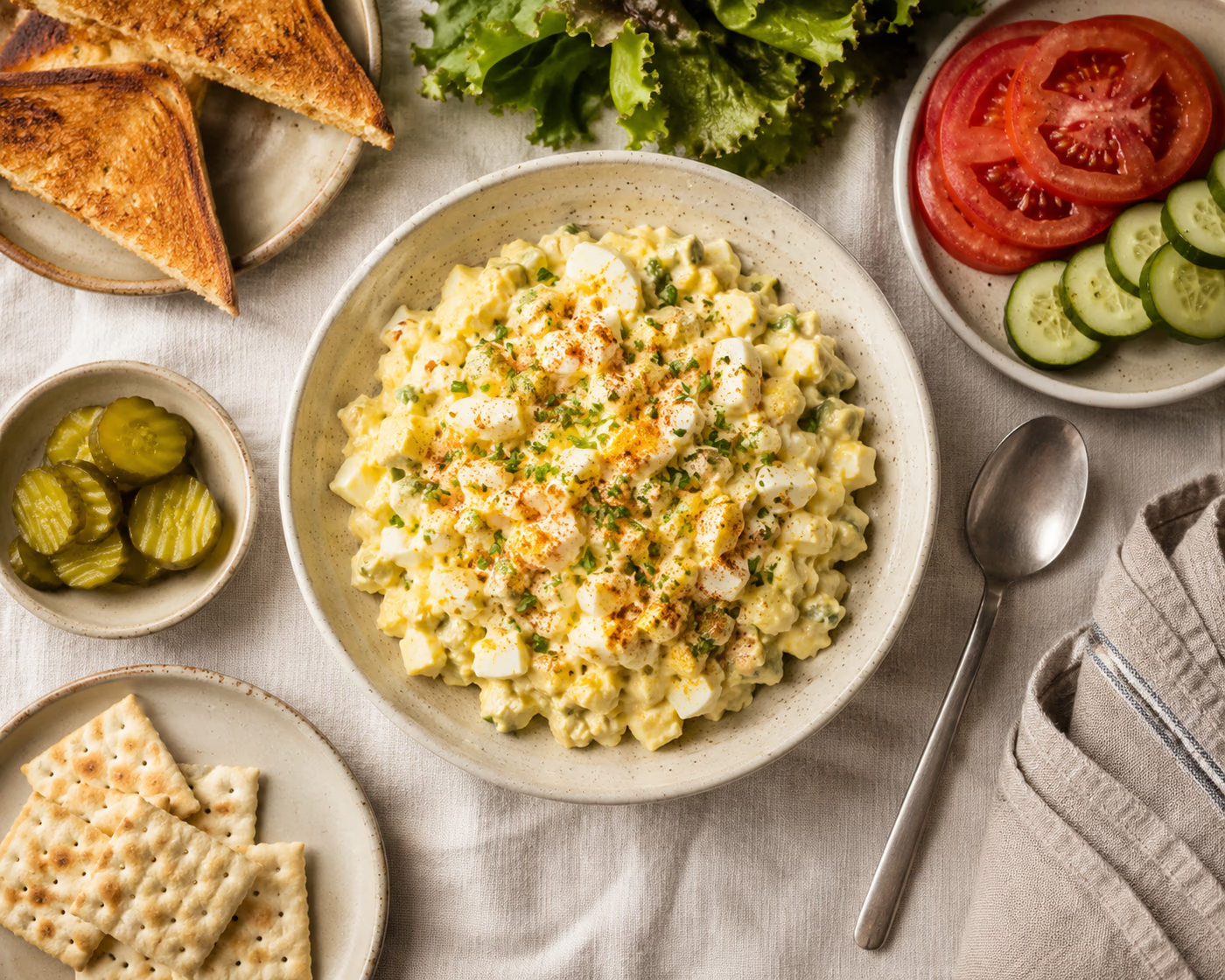
This matters most for foods that look harmless because they are already cooked or chilled: pasta salad, chicken pasta salad, chicken salad, tuna salad, egg salad, deviled eggs, cold noodle salad, cut melon, dips, and leftovers.
Cold Food Plan
How to keep picnic food cold
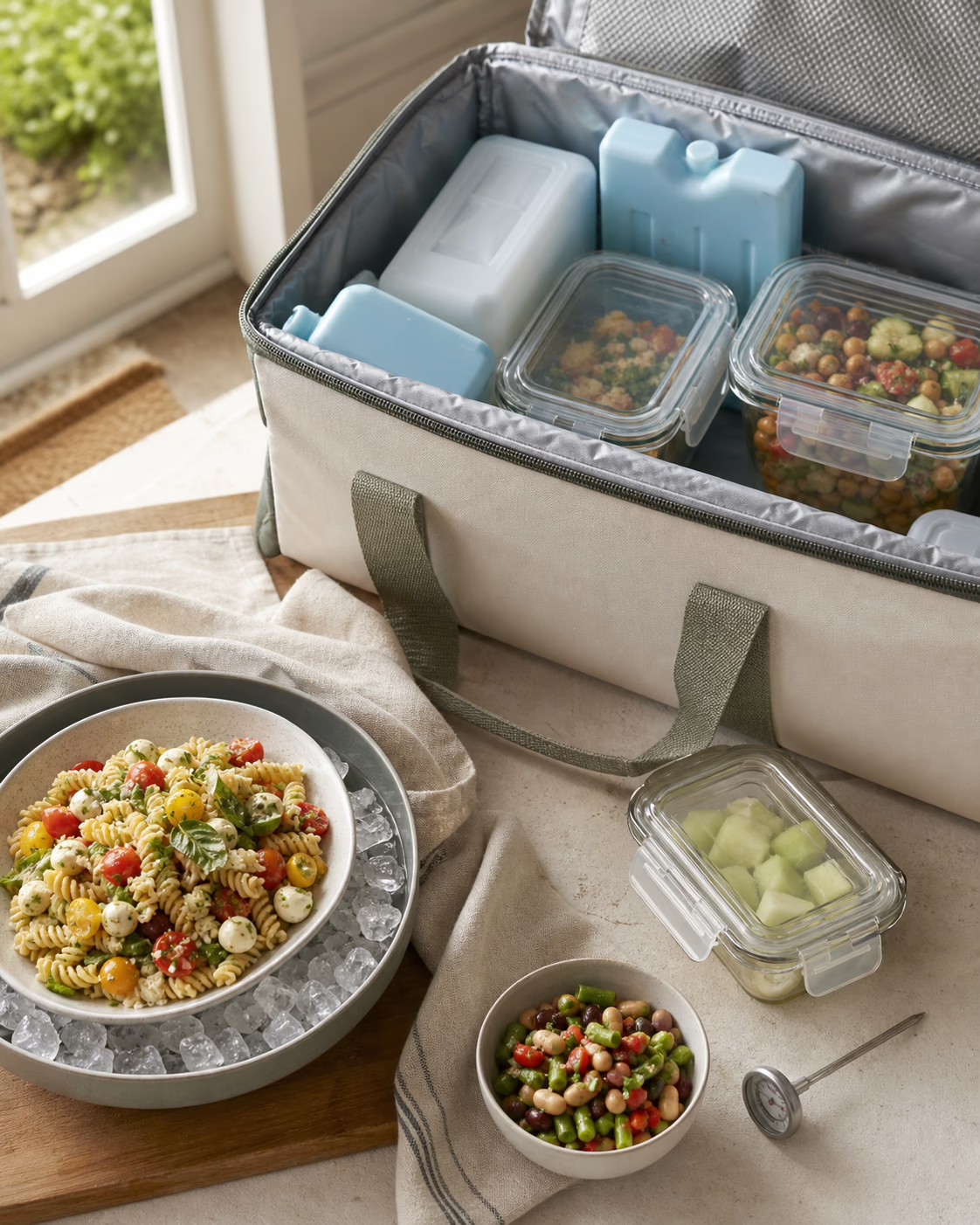
To keep picnic food cold, start with food that is already chilled, pack it tightly with cold sources, keep the cooler closed and shaded, and serve only a small amount at a time. The backup batch stays in the cooler until it is needed.
- Chill the food first. A cooler maintains cold better than it cools warm food down. Refrigerate salads, dips, cut fruit, cooked chicken, and lunch plates before packing.
- Pack enough cold sources. Use ice, gel packs, or frozen water bottles. Tuck cold sources around the top and sides, not only underneath.
- Keep the food cooler closed. Drinks are opened again and again, so use a separate drink cooler when you can.
- Use shade. Put the cooler under a table, tree, porch, or chair shadow instead of beside the grill or in direct sun.
- Serve small bowls. Set out a smaller serving bowl and keep the rest cold. Refill with a clean utensil when needed.
- Nest cold salads over ice. Set the bowl inside a pan or larger bowl of ice. Drain melted water and add more ice if the food is staying out.
- Watch the clock. Use 2 hours as the limit, or 1 hour above 90 F. If the timeline is unclear, do not bring that food home.
Cooler List
What picnic foods need a cooler?
Perishable picnic foods need a cooler. That includes foods with meat, poultry, seafood, eggs, dairy, cooked grains, cooked pasta, cut fruit, cut vegetables, cooked leftovers, creamy dips, and most prepared salads.
| Food | Best Cold Plan | Hearth Table Examples |
|---|---|---|
| Cold pasta or noodle salads | Pack cold, serve a small bowl over ice, keep backup in the cooler. | Easy pasta salad, chicken pasta salad, cold tuna pasta salad, cold noodle salad |
| Chicken, tuna, and egg dishes | Keep cold until serving; use an insulated carrier or cooler with ice packs. | Chicken salad, tuna salad, egg salad, deviled eggs |
| Bean salads and vegetable sides | Chill before packing and serve over ice if they will sit out. | Three bean salad, black bean and corn salad, Mexican street corn salad, cucumber salad |
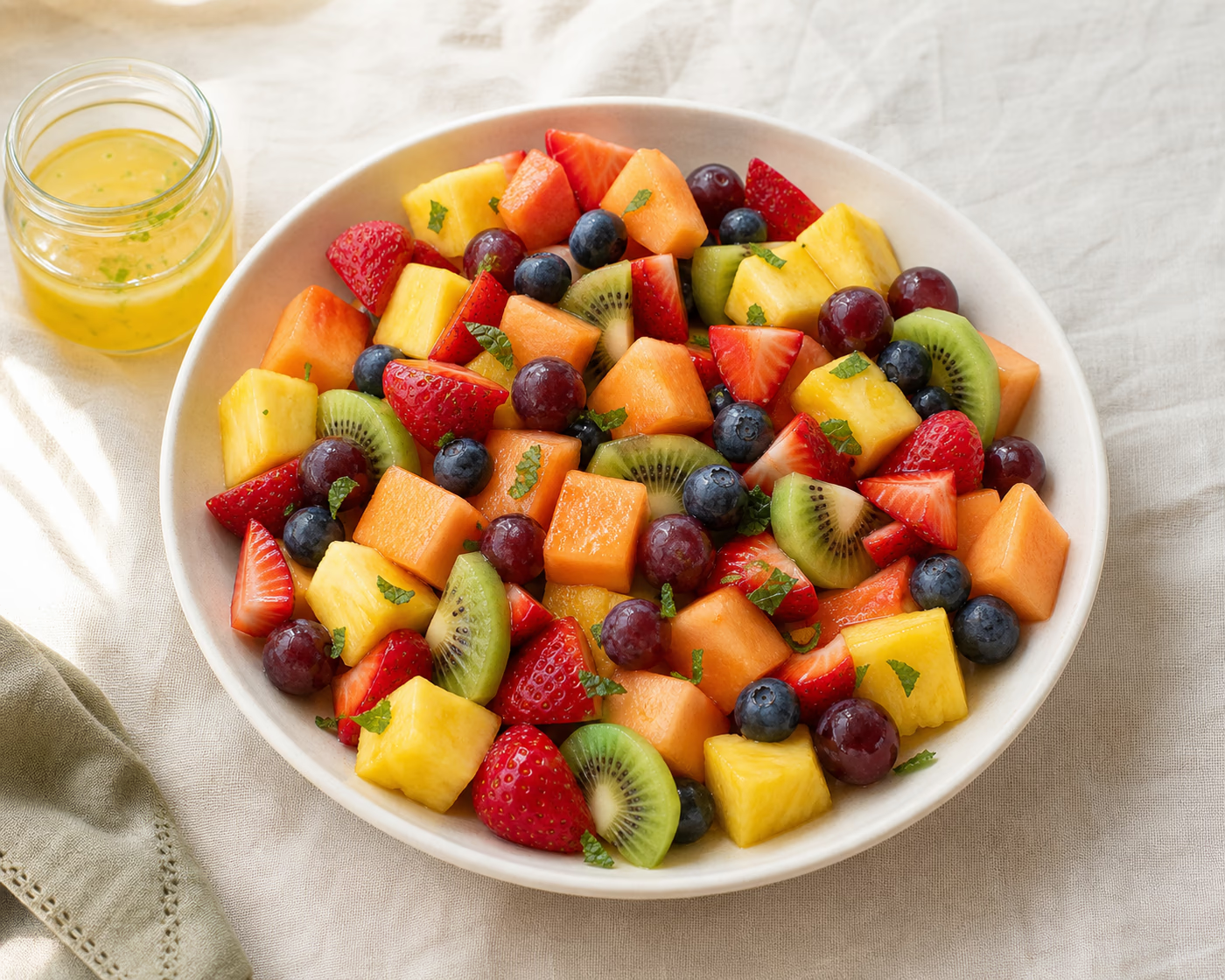
| Slaws and cut produce | Keep cold, especially once cabbage, fruit, or vegetables are cut and dressed. | Vinegar coleslaw, watermelon feta salad, fruit salad, how to store strawberries |
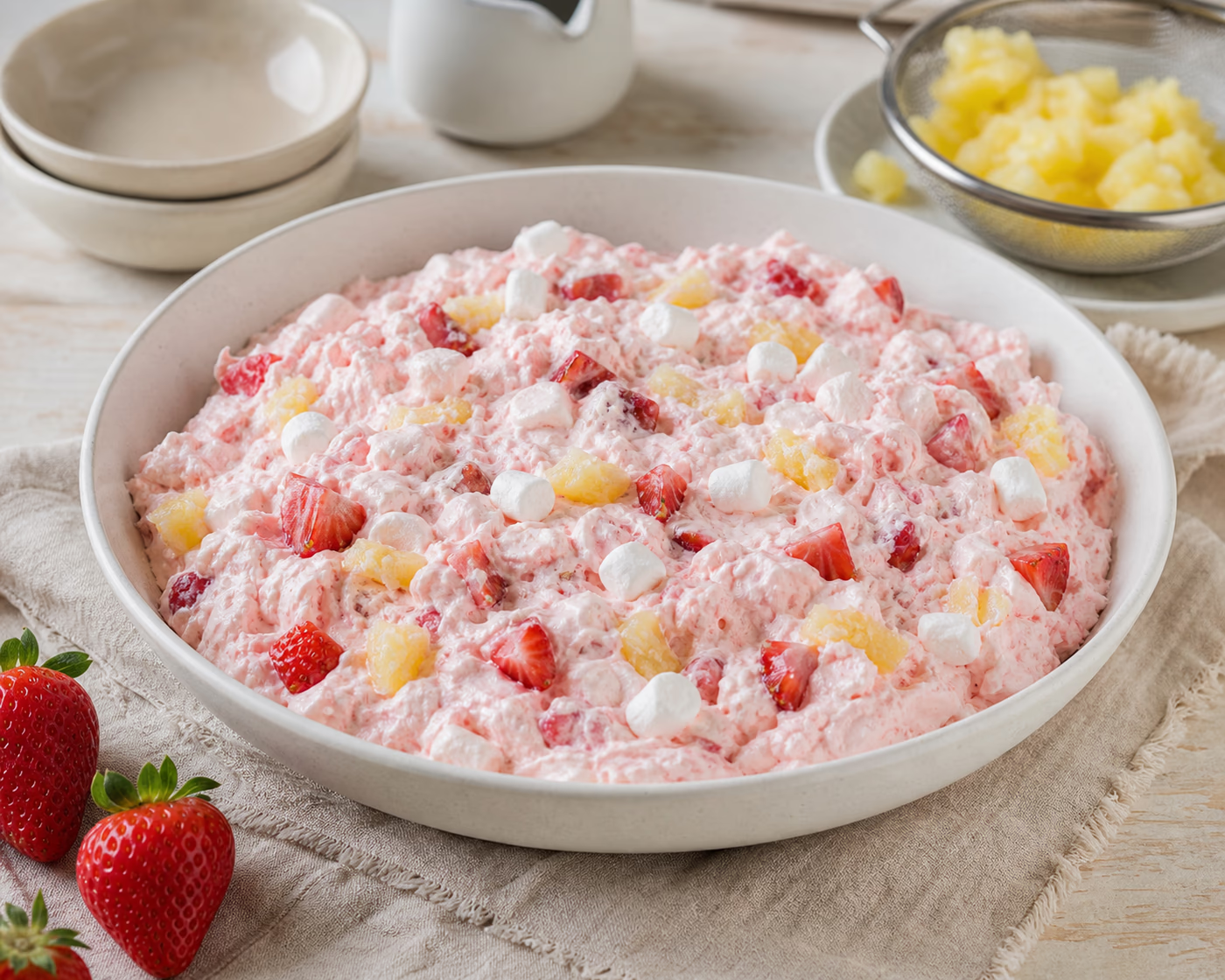
| Chilled desserts | Keep cold and serve a small bowl over ice; return the backup batch to the cooler. | Strawberry fluff, 3 ingredient banana pudding, coconut icebox cake |
| Cooked leftovers or cooked chicken | Pack only if safely cooled first; keep cold until eating. | Safe meal prep, grilled chicken, rice bowls, lunch plates |
Foods that are usually easier outside include whole fruit, unopened shelf-stable snacks, bread, crackers, chips, cookies, and sealed pantry items. Keep them covered and clean, but do not use cooler space on food that does not need it unless quality is better cold.
Serving
How to serve cold salads outside
Serve cold salads outside in smaller portions. Put the serving bowl over ice, keep the main container in the cooler, and use a clean spoon or tongs each time you refill.
This is the move that keeps a cookout table relaxed. The salad still looks generous, but the whole batch is not warming while people drift back for seconds.
- Use shallow serving bowls: a wide bowl chills more evenly over ice than a deep packed bowl.
- Keep lids nearby: cover food between rounds when bugs, dust, or heat are part of the day.
- Do not mix old and new: if the first bowl sat out too long, do not stir fresh cold food into it.
- Refresh the ice: melted water is a sign to drain and add more ice, not a sign that the job is done.
- Use the right serving spoon: each bowl gets its own utensil so chicken salad, bean salad, and slaw do not trade crumbs and dressing.
Decision Table
Keep, serve, or toss picnic food
The hardest picnic decision is usually not what to pack. It is what to do after the food has been on the table for a while. Use the clock and the temperature story, not optimism.
| Situation | Best Move | Why |
|---|---|---|
| Cold salad stayed in the cooler with ice packs and still feels cold | Serve or bring home if it is within the time limit | The cold chain is still believable. |
| Small bowl sat out less than 2 hours in mild weather | Serve now, then chill or discard leftovers promptly | It is inside the general room-temperature limit. |
| Food sat out more than 1 hour above 90 F | Toss it | Hot weather shortens the safe window. |
| The cooler ice melted and no one knows when | Toss perishable food | The temperature history is unclear. |
| Food was warmed by sun, a hot car, or the grill zone | Toss it if it crossed the time limit or feels questionable | Heat can move food through the risky zone quickly. |
| Whole fruit, unopened chips, crackers, bread, or cookies sat out covered | Usually keep if clean and in good condition | These are not the same as perishable prepared foods. |
Leftovers
Can you bring picnic leftovers home?
You can bring picnic leftovers home only when they stayed safely cold or hot and are still inside the time limit. If food sat out too long, warmed in the sun, rode home in a lukewarm cooler, or has an unclear timeline, do not save it.
For food that does come home safely, refrigerate it promptly in shallow containers. If you reheat leftovers later, heat them to 165 F. Cold salads like chicken salad, tuna salad, egg salad, macaroni salad, and pasta salad are usually short-window foods even when they were handled well.
The best leftover plan is boring in a good way: label what came home, put it where you can see it, and use it soon. If leftovers are a recurring dinner helper in your kitchen, the leftover landing zone makes that much easier.
Lunch Bags
What about packed lunches and short trips?
Packed lunches use the same cold-food logic on a smaller scale. If the lunch has perishable food, pack it with cold sources and use a refrigerator or cooler when one is available.
Cold Lunch
Use an insulated bag with cold packs. This matters for tuna salad, chicken salad, yogurt, cheese, cut fruit, cooked rice bowls, and leftover chicken.
Shelf-Stable Backup
When cold storage is not realistic, lean on whole fruit, crackers, sealed pantry snacks, nut or seed butter where allowed, and other foods that do not need chilling.
For the bigger meal-prep version of this, use safe meal prep for home cooks.
Hot Food
What about hot food at a cookout?
Hot food needs its own plan: keep it at 140 F or above after cooking, and do not let it sit out beyond the same 2-hour limit, or 1 hour above 90 F. If you are reheating cooked leftovers, heat them to 165 F before serving.
For raw meat, poultry, seafood, and eggs, keep raw food separate from ready-to-eat food, use clean plates and utensils after cooking, and use a food thermometer for doneness. This post is mainly about cold salads and picnic sides, but the same clean-separate-cook-chill rhythm still matters.
Exact Rules
Where to check the exact food safety rule
For item-specific storage windows, use the FoodSafety.gov cold food storage chart. For cooking and reheating temperatures, use the safe minimum internal temperature chart.
If you are packing for someone who is pregnant, immunocompromised, very young, older, managing allergies, or following medical nutrition advice, use official guidance and a qualified professional’s advice. A picnic should be easy, but it should not be casual about higher-risk eaters.
Next
What to pack with this plan
For a cold cookout table, start with easy pasta salad, chicken pasta salad, chickpea salad, three bean salad, Mexican street corn salad, watermelon feta salad, fruit salad, vinegar coleslaw, or cucumber salad. For lunch plates, use chicken salad, tuna salad, egg salad, or deviled eggs.
If the picnic is mostly leftovers and odds and ends, check safe meal prep first, then use the freezer inventory sheet or leftover landing zone to keep tomorrow’s food honest too.
FAQ
Picnic food safety questions
How long can picnic food sit out?
Perishable picnic food can sit out for up to 2 hours, or up to 1 hour when the temperature is above 90 F. After that, throw it away instead of putting it back in the cooler.
What temperature should a picnic cooler be?
A picnic cooler holding perishable cold food should keep food at 40 F or below. A small appliance or cooler thermometer is helpful when the food will be outside for a while.
Can I put a bowl of pasta salad on ice?
Yes. Put the serving bowl inside a larger pan or bowl filled with ice, and keep the backup salad in the cooler. Drain melted water and replace ice as needed.
Are mayonnaise salads the only risky picnic food?
No. Meat, poultry, seafood, eggs, dairy, cooked pasta, cooked rice, cut fruit, cut vegetables, and cooked leftovers also need cold handling. Do not focus only on mayonnaise.
Can I reuse melted ice from the cooler?
Do not use melted cooler ice in drinks or food. Treat it as meltwater that has been around containers, hands, and outdoor handling. Use clean ice for drinks.
What if the picnic food stayed in the shade?
Shade helps the cooler and serving area stay cooler, but it does not cancel the time limit. Keep perishable food cold and still use the 2-hour rule, or 1 hour above 90 F.
Can I bring leftovers home from a cookout?
Only bring leftovers home if they stayed safely cold or hot and are still inside the time limit. If the food sat out too long or the cooler warmed up, throw the leftovers away.