
Recipe Notes
Why this works
Letting cherry tomatoes burst and slump before the pasta goes in, then loosening the pan with reserved pasta water, makes a glossy fresh tomato sauce without a long simmer.
Cherry tomatoes
Use ripe cherry or grape tomatoes. Small ones can stay whole and burst in the pan; larger grape tomatoes cook faster if you halve them.
Pasta
Spaghetti, bucatini, and linguine make the sauce feel glossy and tangled. Short shapes such as rigatoni, shells, or fusilli catch more tomato pieces.
Garlic
Add the garlic after the tomatoes have started to release juice so it softens without burning.
Basil, acid, and cheese
Basil goes in at the end. Lemon keeps the pasta bright; balsamic makes it richer. Parmesan is optional, but if you skip it, be more deliberate with salt, olive oil, and acid.
Start Here
The fast way to make cherry tomato pasta
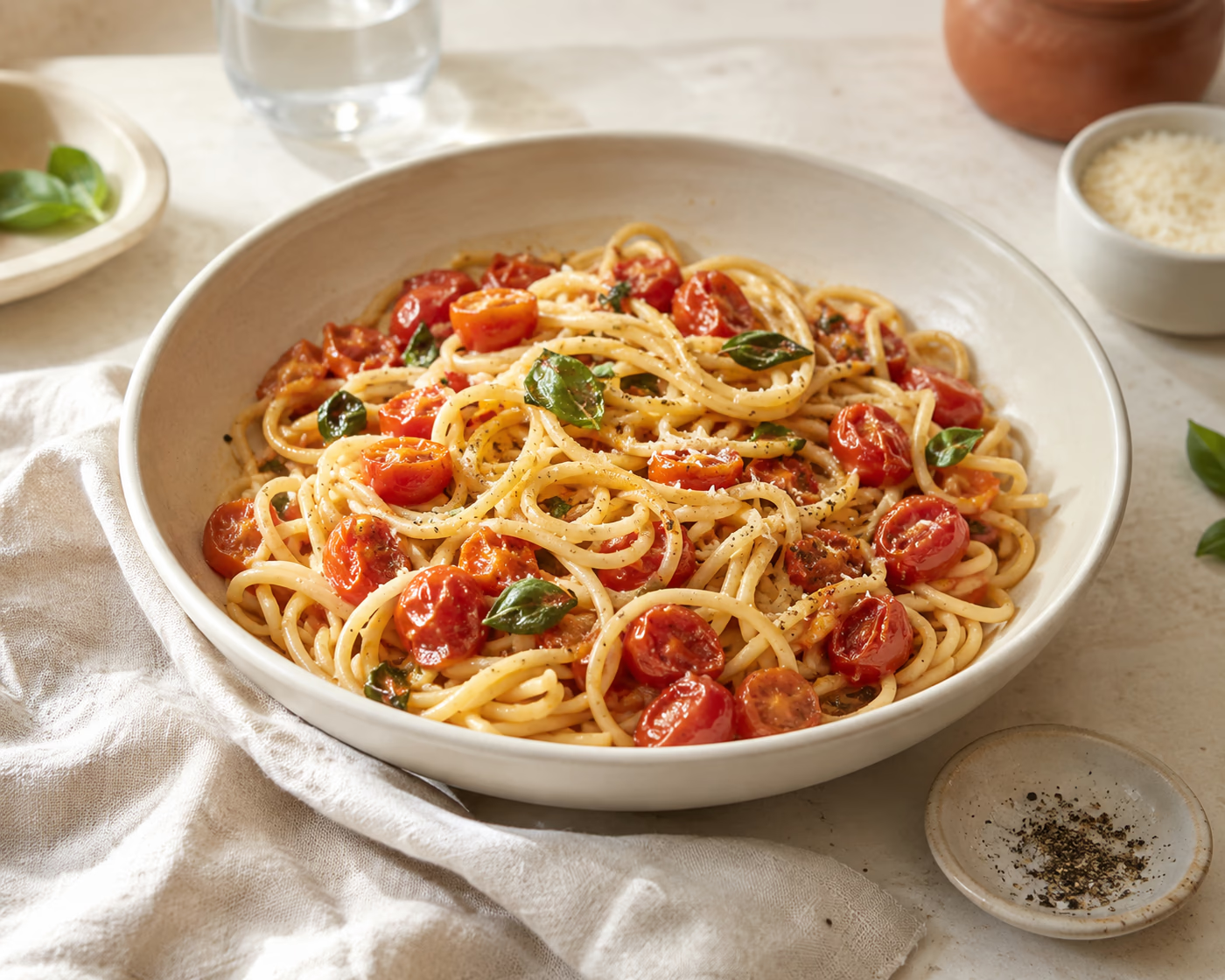
Cherry tomato pasta works when the tomatoes become the sauce before the pasta joins the pan. Cook them in olive oil until they split, slump, and release their juice, then toss in pasta with reserved pasta water until everything turns glossy.
This is the summer dinner I want when the cherry tomatoes on the counter have moved from charming to insistent. The method is not a long simmer and it is not a smooth red sauce. It is a skillet full of burst tomatoes, garlic, basil, olive oil, and just enough pasta water to make the sauce cling.
The small rule is burst, loosen, finish: burst the tomatoes first, loosen the pasta with water from the pot, then finish with basil, acid, olive oil, and optional cheese after the sauce is already doing its job.
Start the water first, then rinse tomatoes and halve any large grape tomatoes while it heats.
Cook tomatoes until they split, slump, and release juice.
Toss pasta with tomato juices and pasta water.
Add basil, acid, olive oil, and optional cheese.
Ingredients
Ingredients for cherry tomato pasta
The ingredient list is short, so the tomatoes need to taste good. They do not have to be perfect farmers market jewels, but they should be ripe enough to soften and give up juice when they hit the skillet.
Cherry tomatoes
Small tomatoes can stay whole. They burst prettily and keep some texture. Halve larger grape tomatoes if you want them to sauce faster.
Pasta
Long pasta is classic here. Spaghetti, bucatini, and linguine wrap around the sauce. Short pasta catches more tomato pieces and is easier for bowls.
Garlic
Add it after the tomatoes start to slump. Garlic burns faster in a dry pan than a tired cook expects.
Basil and finishers
Basil, lemon, vinegar, olive oil, and cheese are the lift. They keep the pasta fresh instead of flat.
For the pasta
- 12 ounces spaghetti, bucatini, linguine, rigatoni, shells, or fusilli
- 1 1/2 pounds cherry tomatoes or grape tomatoes, about 2 pints
- 3 tablespoons olive oil, divided, plus more for serving
- 1 teaspoon fine salt, divided, plus more for pasta water and to taste
- 1/4 teaspoon black pepper, plus more to taste
- 1/4 teaspoon red pepper flakes, optional
- 4 garlic cloves, thinly sliced or minced
- 1 cup reserved pasta water, plus more as needed
- 1/2 cup finely grated Parmesan or Pecorino, optional, plus more for serving
- 1/2 cup torn fresh basil leaves
- 1 to 2 teaspoons fresh lemon juice or balsamic vinegar, plus more to taste if skipping cheese
Method
How to make cherry tomato pasta
- Start the pasta water first. Bring a large pot of salted water to a boil. While it heats, rinse the tomatoes. Leave small cherry tomatoes whole, and halve larger grape tomatoes if they look firm or oversized.
- Cook just shy of done. Boil the pasta until it is about 1 minute shy of al dente. Save at least 1 cup of pasta water before draining. Future you needs that cloudy water more than the colander does.
- Burst the tomatoes. While the pasta cooks, warm 2 tablespoons olive oil in a wide skillet over medium heat. Add the tomatoes, 3/4 teaspoon salt, black pepper, and red pepper flakes if using.
- Make them saucy. Cook for 8 to 12 minutes, stirring now and then, until the tomatoes split, slump, and leave glossy juices in the pan. Press stubborn tomatoes with the back of a spoon or potato masher, but leave some visible pieces.
- Add garlic late. Stir in the remaining 1 tablespoon olive oil and the garlic. Cook for 30 to 60 seconds, just until fragrant. Do not let it brown hard.
- Loosen the pasta. Add the drained pasta and 1/2 cup reserved pasta water. Toss over medium-low heat until the sauce clings to the noodles instead of sitting under them.
- Make it glossy. Add the Parmesan or Pecorino if using, and toss with another splash of pasta water if the sauce tightens. Add water in splashes, not in a grand pour.
- Finish fresh. Turn off the heat. Fold in the basil. Add lemon juice for a brighter finish or balsamic vinegar for a sweeter, richer finish. Adjust with the remaining salt, more pepper, more cheese, or a final thread of olive oil. If you are skipping cheese, do not skip the acid.
Sauce Cue
The burst, loosen, finish method
The tomato stage is the part that matters. Cherry tomatoes should look slumped and juicy before the pasta goes in. If they still look round and separate, the pasta will carry oil and tomato pieces, but not sauce.
Once the tomatoes release juice, pasta water can turn that pan into something glossy. The starch in the water helps the tomato juices, oil, and cheese come together, but only if you add it slowly and keep tossing.
My preference is to keep some tomatoes recognizable. A completely smooth sauce misses the point of cherry tomato pasta. You want sauce, yes, but you also want little collapsed tomato pockets in the bowl.
| Stage | What it should look like | What to do next |
|---|---|---|
| Burst | Tomatoes are split, glossy, and starting to collapse. | Press some tomatoes and let the juice collect. |
| Loosen | Pasta is coated but the pan is starting to tighten. | Add pasta water a splash at a time and toss. |
| Finish | The sauce clings and shines without puddling. | Add basil, acid, olive oil, and optional cheese off heat or over low heat. |
Choose A Route
Skillet, roasted, extra-saucy, or spinach
The main method is a skillet sauce because it is fast and keeps the tomato flavor bright. If your tomatoes are very wrinkled, if the oven is already on, or if spinach is also making demands from the fridge, use the route below.
| Tomato path | Best for | What changes |
|---|---|---|
| Skillet burst | Fast weeknight dinner | Main method; sauce comes together while the pasta cooks. |
| Roasted | Sweeter, deeper flavor or wrinkly tomatoes | Roast tomatoes and garlic first, then toss with pasta, basil, and only enough pasta water to loosen. |
| Extra-saucy | Short pasta or a softer bowl | Press more tomatoes and add pasta water gradually so it does not turn soupy. |
| Spinach add-in | Using up a few handfuls of greens | Add spinach after the tomatoes are saucy and toss just until wilted. |
Fixes
How to fix watery, dry, or flat cherry tomato pasta
Most problems in this pasta are timing problems. Either the tomatoes did not cook long enough, the pasta water went in too quickly, or the finish needs salt, acid, herbs, or cheese. Look at the skillet before you add more of anything.
| Problem | Why it happened | What to do |
|---|---|---|
| Watery sauce | The tomatoes were not concentrated before the pasta joined. | Keep tossing over medium-low heat until the sauce clings. Next time, cook the tomatoes longer before adding pasta. |
| Dry pasta | The sauce tightened or not enough pasta water was added. | Add pasta water 1 to 2 tablespoons at a time and toss until glossy. |
| Oily pasta | The tomato juices and oil did not emulsify. | Add a splash of pasta water and toss over low heat until the oil stops separating. |
| Bitter garlic | The garlic browned before the tomatoes made juice. | Add fresh basil, lemon, and cheese to soften the edge. Next time, add garlic later. |
| Flat flavor | The sauce needs salt, acid, or a fresh finish. | Taste, then add salt, lemon juice or vinegar, basil, black pepper, or Parmesan. |
Swaps
Pasta shapes and useful swaps
This recipe is flexible, but it still has a center: ripe small tomatoes, olive oil, garlic, pasta water, and a fresh finish. Change the edges without turning it into a different dinner.
| Swap | Works? | What to know |
|---|---|---|
| Grape tomatoes | Yes | Halve large grape tomatoes so they release juice faster. |
| Large fresh tomatoes | Different route | They release more water and need different prep. Save them for a fresh tomato pasta method. |
| Canned tomatoes | Different recipe | Use the pantry pasta map when canned tomatoes are the plan. |
| No cheese | Yes | Salt the tomatoes well, use a generous finishing pour of olive oil, add lemon or balsamic, and toss hard with pasta water until glossy. Toasted breadcrumbs help if you want texture. |
| Spinach | Yes | Add 2 packed cups near the end and toss just until wilted. |
| Chicken, sausage, or shrimp | Separate protein route | Use safely cooked protein and follow the stricter storage and reheating guidance for that ingredient. |
| Heavy cream | Not needed | This pasta should taste fresh and glossy. Cream moves it toward a different sauce. |
Serve It
What to serve with cherry tomato pasta
Cherry tomato pasta can be dinner on its own, especially with cheese and basil. If you want a fuller plate, keep the sides crisp, fresh, or protein-forward instead of adding another soft bowl.
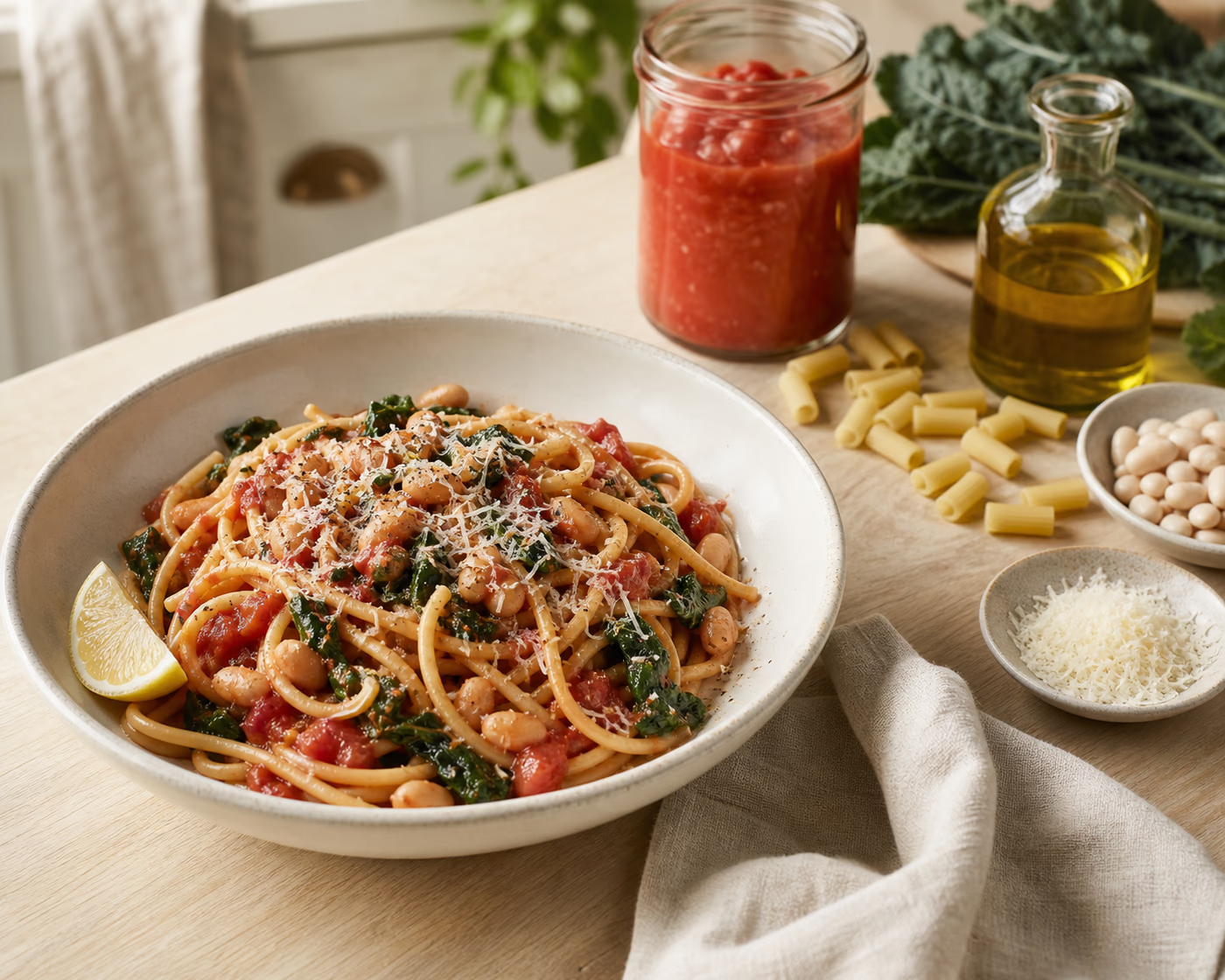
- For protein: add white beans, chickpeas, grilled chicken, tuna, or a fried egg, using safe storage guidance for any added protein.
- For crunch: finish with toasted breadcrumbs, toasted pine nuts, or a simple green salad.
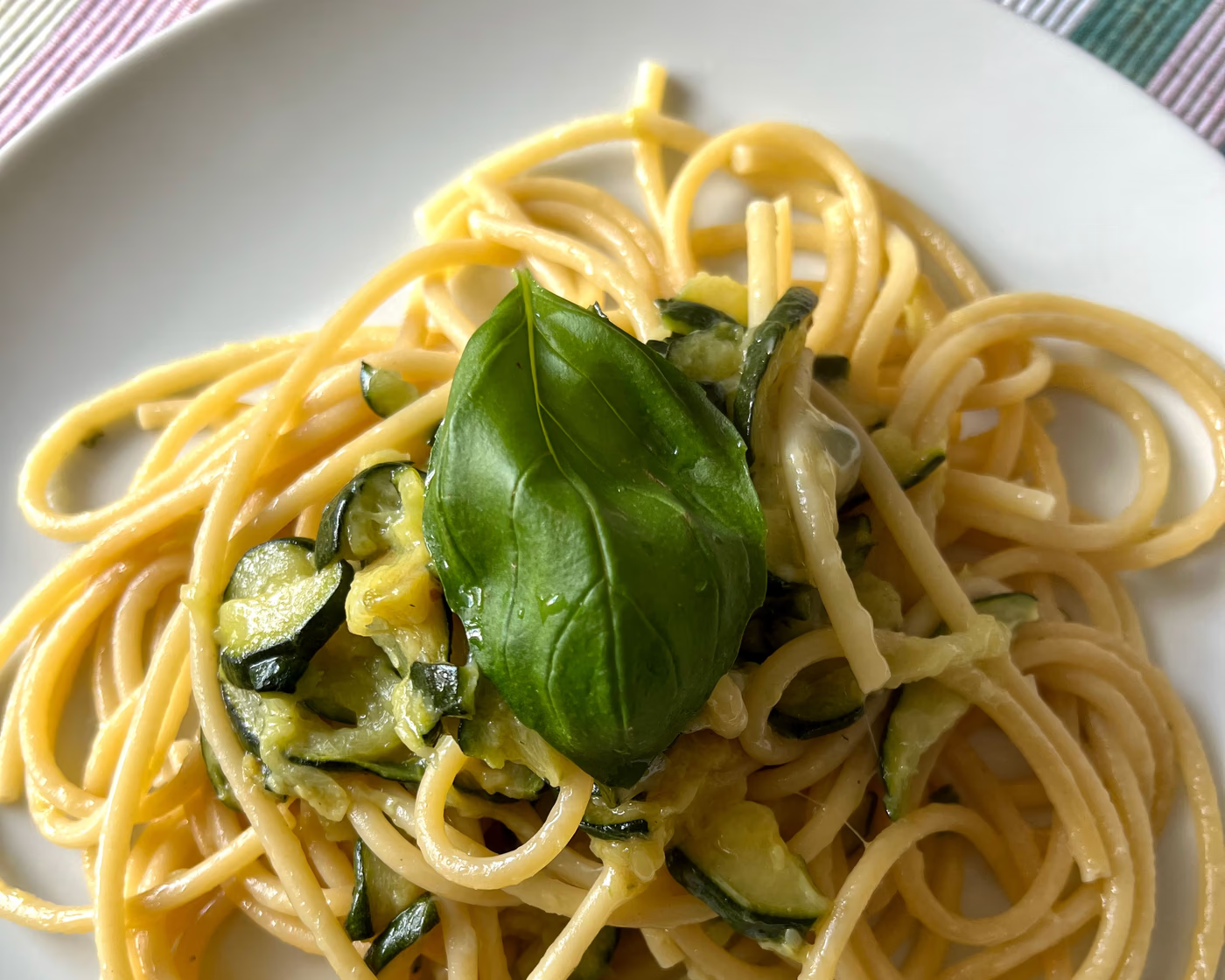
- For another summer pasta: make zucchini pasta when the vegetable you need to use is zucchini instead of tomatoes.
- For a cold table: serve easy pasta salad when the pasta needs to travel or sit beside cookout food.
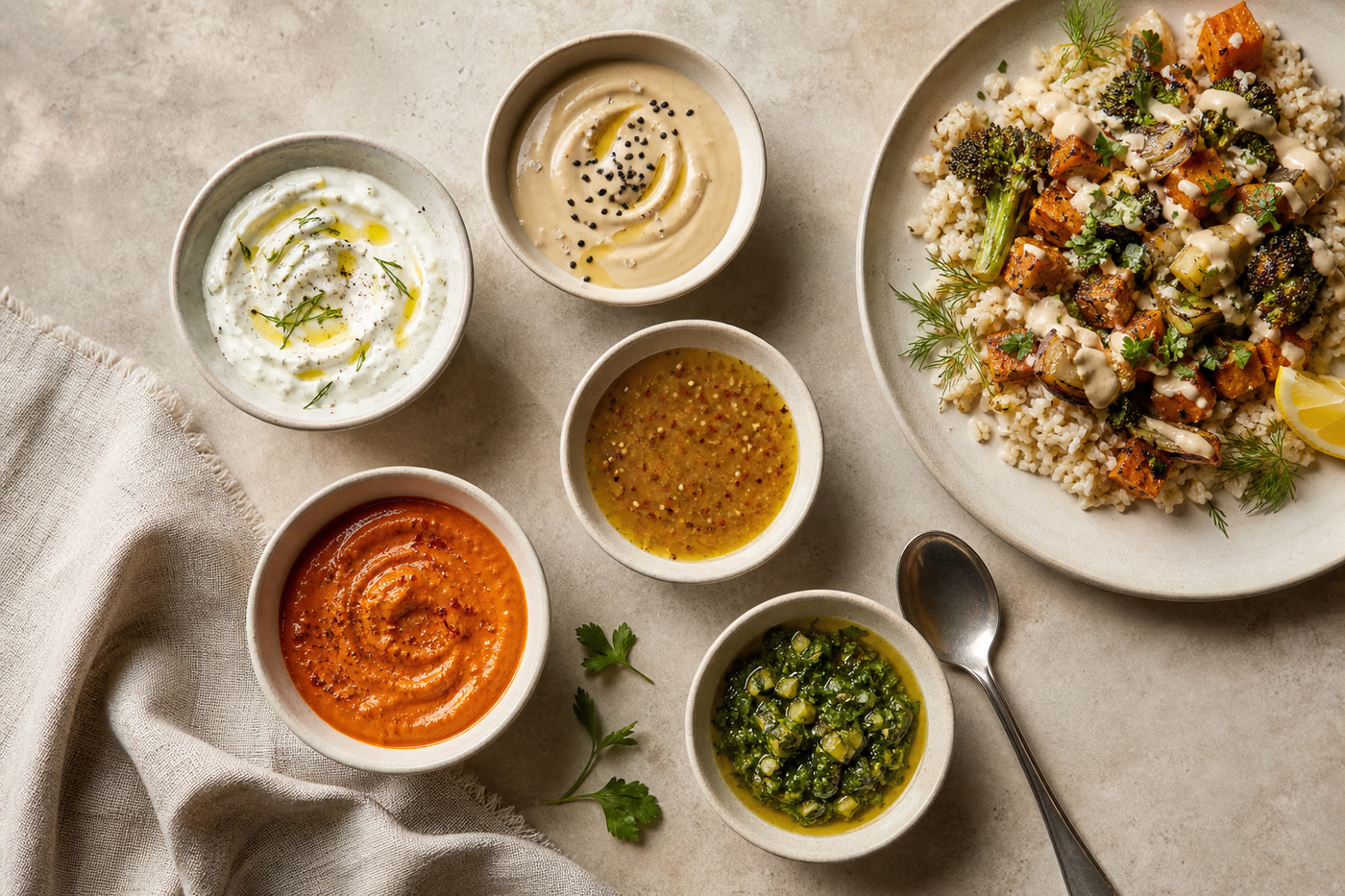
If the bowl tastes close but not finished, use the small sauce guide for the final nudge. A little herby oil, lemony yogurt, or chili crisp can rescue a flat plate without turning dinner into a second recipe.
Storage
How to store and reheat cherry tomato pasta
Cherry tomato pasta is best right after tossing, while the sauce is glossy and the basil still tastes fresh. Leftovers are useful, but the pasta keeps absorbing sauce in the refrigerator, so plan to wake it back up with water, olive oil, and a fresh finish.
Wash tomatoes, basil, lemon, and any spinach under running water before prep. The FDA’s produce guidance recommends rinsing produce under running water and skipping soap, detergent, or commercial produce wash.
Store leftovers in a shallow covered container in the refrigerator and use within 3 to 4 days. FoodSafety.gov’s cold storage chart is the conservative reference for cooked leftovers.
Reheat in a skillet with a splash of water over medium-low heat, tossing until hot and loose again. For food safety, leftovers should reach 165 F; FoodSafety.gov lists that temperature in its safe minimum internal temperature guidance. Finish reheated pasta with fresh basil, olive oil, lemon, or cheese after warming; basil looks and tastes better added fresh on day two.
Make It Easier
What to read next
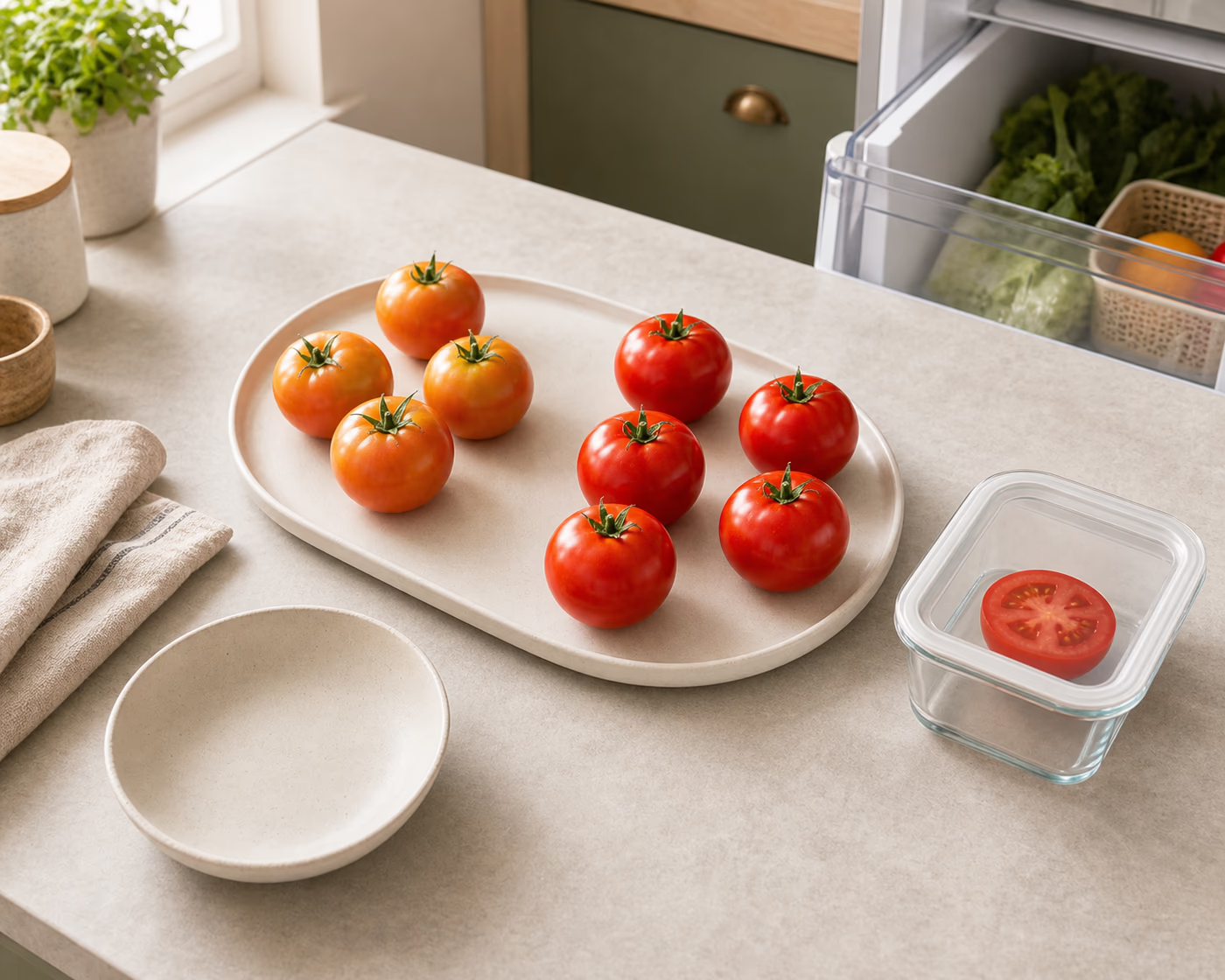
Use how to store tomatoes if the tomatoes are ripening faster than dinner plans are forming. If the tomato route is canned instead of fresh, use the pantry pasta map.
For more fast pasta dinners, keep zucchini pasta and sausage and greens pasta nearby. For leftovers and reheating habits, read safe meal prep for home cooks.
FAQ
Cherry tomato pasta questions
How do you make pasta sauce from cherry tomatoes?
Cook cherry tomatoes in olive oil until they split, release juice, and turn saucy, then press some of them in the pan. Add pasta and reserved pasta water so the tomato juices, oil, and starch coat the noodles.
Should you halve cherry tomatoes for pasta?
You can leave small cherry tomatoes whole and press them as they soften. Halve larger grape tomatoes or firm tomatoes so they release juice faster and make sauce before the pasta overcooks.
Can I roast cherry tomatoes for pasta?
Yes. Roasted cherry tomato pasta has deeper flavor and works well for wrinkly or very sweet tomatoes, but it takes longer. Roast the tomatoes and garlic first, then toss with pasta, basil, olive oil, and only enough pasta water to loosen the sauce.
Can I add spinach?
Yes. Add spinach near the end, after the tomatoes have already made sauce, and toss just until wilted. If you add it too early, the spinach can water down the pan.
What pasta shape works best?
Spaghetti, bucatini, and linguine make a glossy, tangled bowl. Rigatoni, shells, fusilli, and penne also work, especially if you want the pasta to catch more tomato pieces.
Can I make cherry tomato pasta without cheese?
Yes. Skip the Parmesan, but do not skip the finish. Use a generous pour of olive oil, enough salt, lemon juice or balsamic vinegar, basil, black pepper, and a little more pasta water so the sauce still tastes full and glossy. Toasted breadcrumbs or nutritional yeast can add savory depth if they fit your table.
How long does cherry tomato pasta last?
Use refrigerated cherry tomato pasta leftovers within 3 to 4 days. Reheat with a splash of water until hot, and add basil, olive oil, lemon, or cheese after warming to bring the texture back.
Kitchen Note
About nutrition, labels, and timing
Nutrition information is not listed because pasta shape, tomato size, cheese amount, olive oil, serving size, and optional add-ins change the final numbers. Use the ingredient amounts here as the recipe anchor if you calculate your own.
The Vegetarian badge assumes any cheese you use fits your vegetarian standard. Some Parmesan and Pecorino are made with animal rennet, so choose a vegetarian-rennet or microbial-rennet cheese if that matters. For a dairy-free route, skip the cheese and finish with enough salt, olive oil, lemon or balsamic, basil, and toasted breadcrumbs if you want texture.
Use the timing as a guide. Tomato size, pan width, stove heat, and pasta shape can shift the final few minutes. Trust the skillet cue: the tomatoes should be split, slumped, and juicy before the pasta joins them.