
At a glance
Before you start
- Topic
- Kitchen Systems
- Read time
- 9 minute read
- Updated
- July 9, 2026
Start Here
You do not need a bigger kitchen first
A small kitchen works better when the tools live near the task, not when every drawer looks perfectly sorted. The knife belongs near the board. The tongs belong near the stove. The containers belong where leftovers get packed.
Small kitchens often work harder than large ones. The problem is not always space. It is usually distance: the salt is across the room, the skillet you use every night is under a roasting pan, and the lids are nowhere near the containers.
My rule is plain: make the most repeated dinner move the easiest one. If you cook with the same skillet three nights a week, that skillet gets better real estate than the platter you use twice a year.
The Four Zones
Group by job, not by category
Zones are not renovation plans. They are small agreements with your kitchen: this is where chopping starts, this is where cooking happens, this is where food leaves the pan, and this is where leftovers stop becoming mystery containers.
Prep Zone
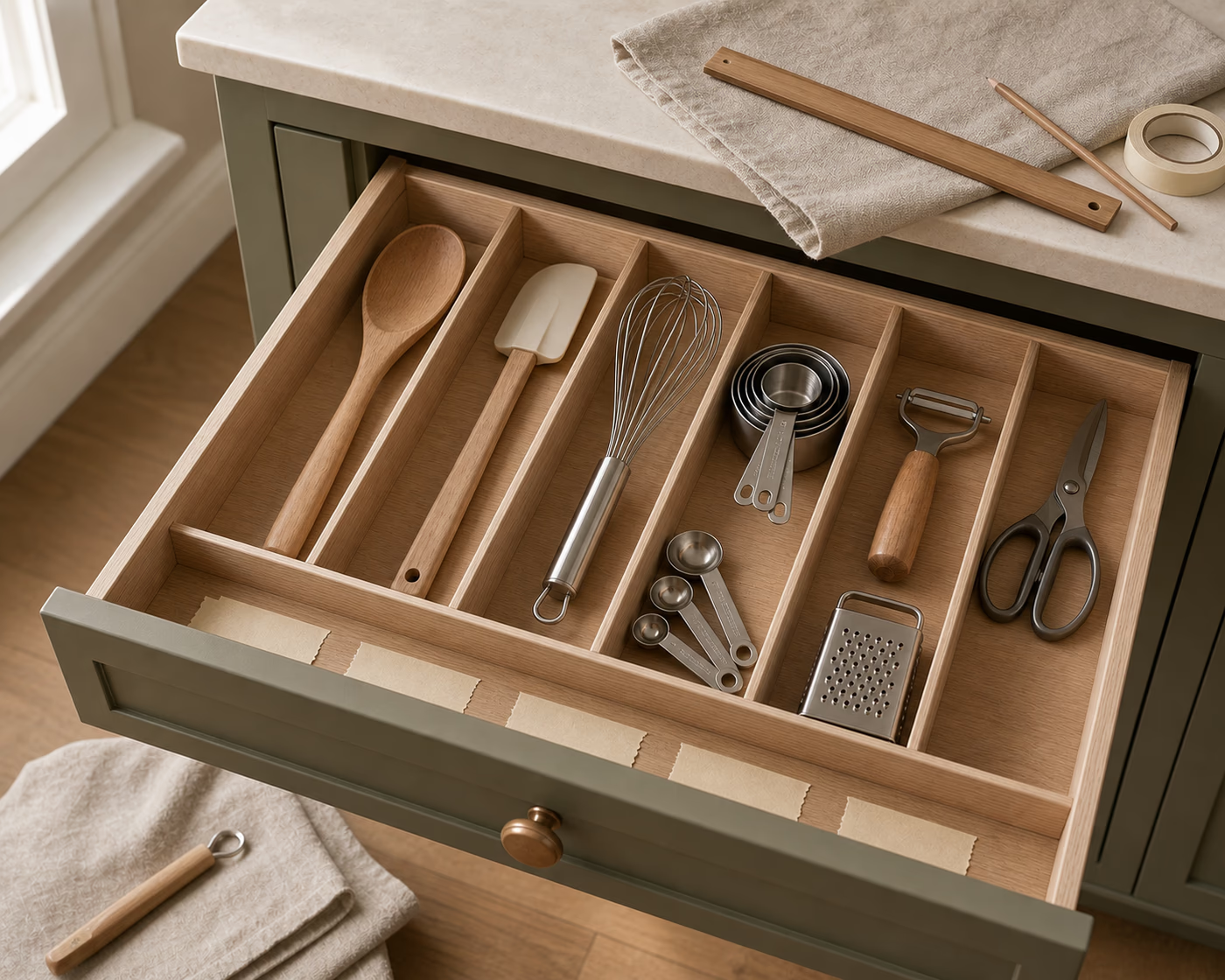
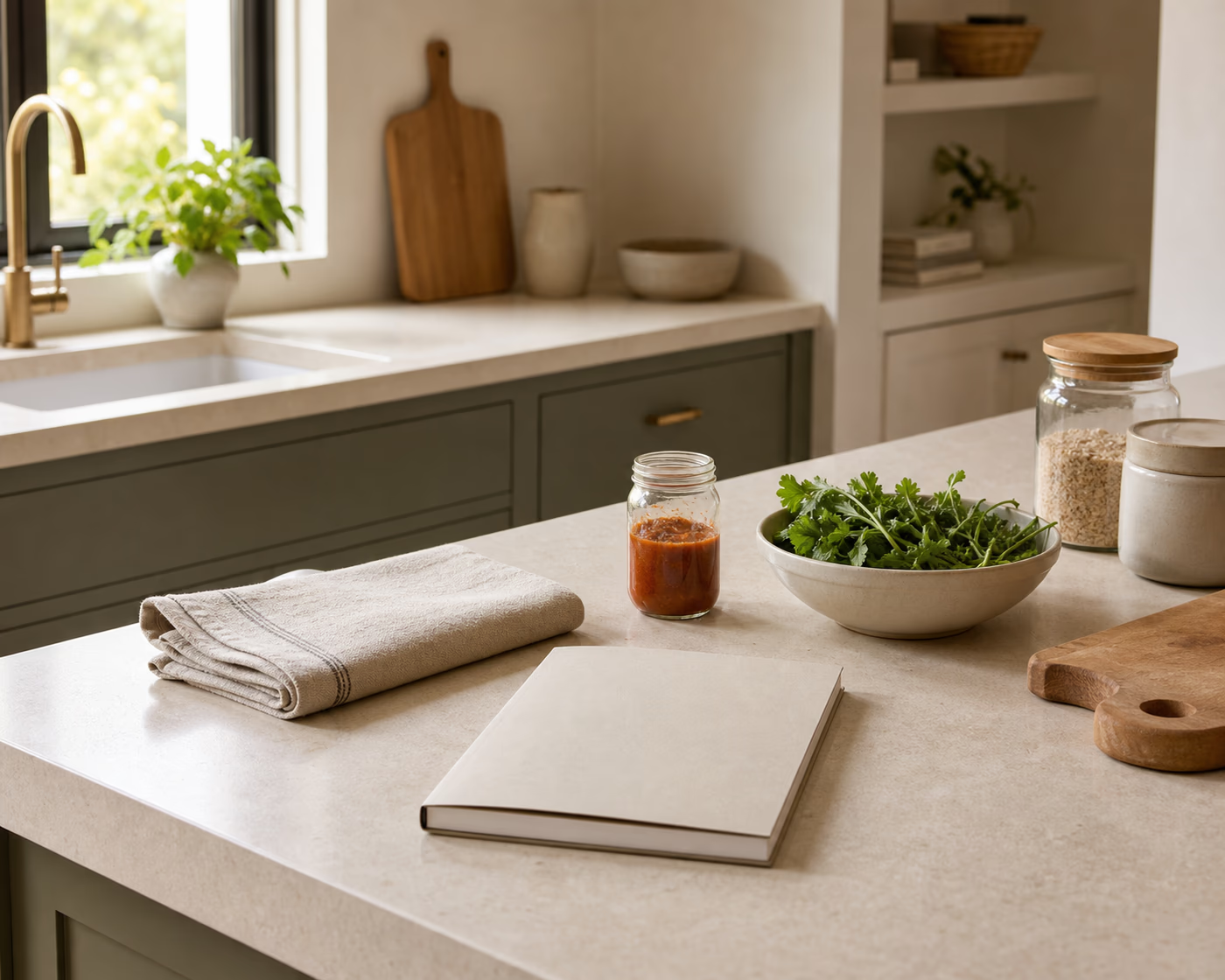
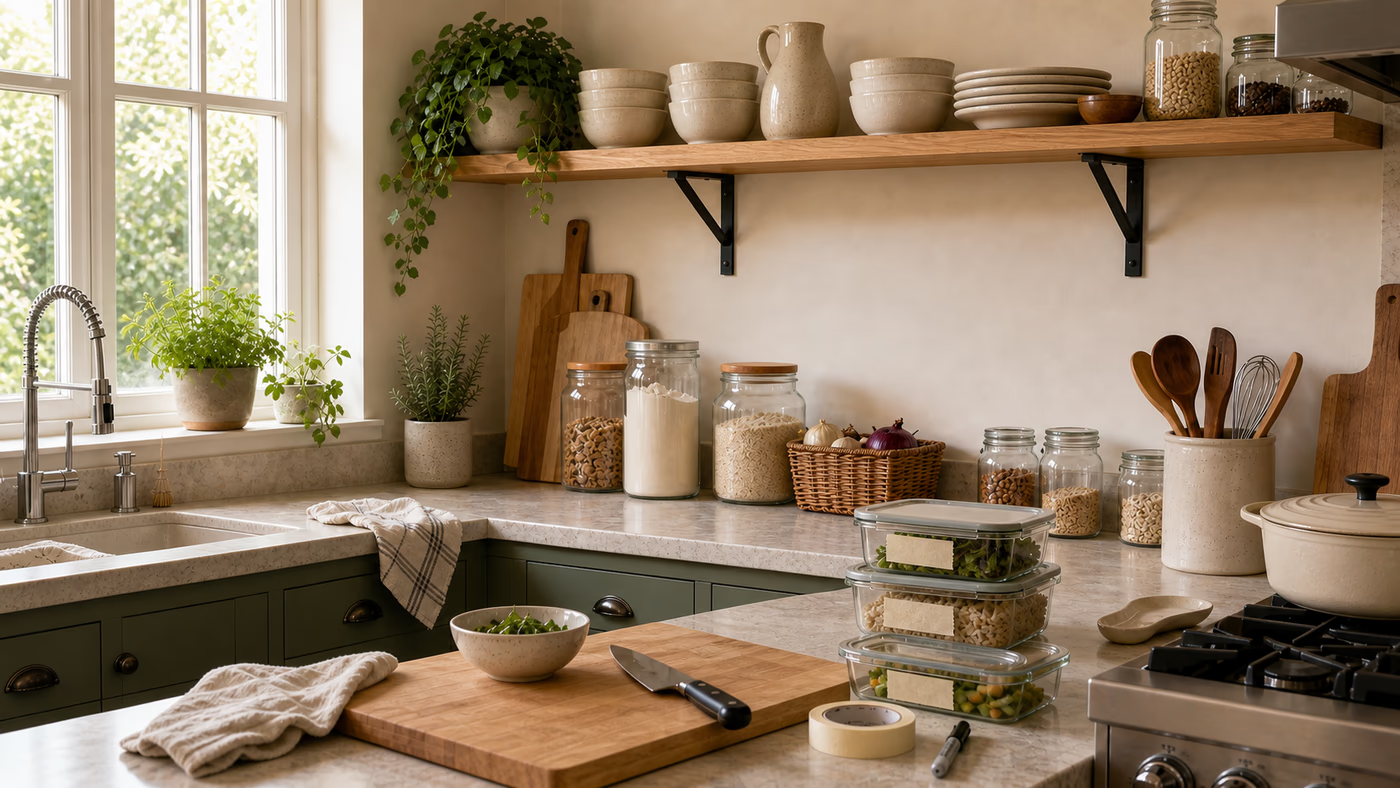
Cutting board, knives, bowls, towels, measuring spoons, peeler, grater, and a scrap bowl. This zone should make starting dinner feel obvious.
Heat Zone
Skillet, saucepan, tongs, spatula, oil, salt, pepper, thermometer, and spoon rest. Keep daily pans easier to reach than special-occasion pans.
Serve Zone
Everyday bowls, plates, serving spoons, napkins, trivets, and the small things you reach for at the end: lemon, herbs, sauce, or grated cheese.
Store Zone
Containers, lids, freezer bags, labels, tape, and a marker. Leftovers are easier to eat when they are easy to pack before the kitchen goes quiet.
Zone Map
Put the tool where the job begins
| Kitchen problem | Likely zone issue | Small fix |
|---|---|---|
| You avoid chopping because the counter is crowded | Prep zone has no landing space | Clear one board-sized spot and keep a towel nearby. |
| You cross the room for oil, salt, or tongs | Heat zone is incomplete | Move daily cooking tools within one step of the stove. |
| Dinner sits in the pan while plates are found | Serve zone is scattered | Keep everyday bowls, plates, and serving spoons together. |
| Leftovers stay in the pot too long | Store zone is inconvenient | Keep containers, lids, tape, and marker in one honest place. |
| Special tools block daily tools | Prime space is overfilled | Move holiday tools higher, lower, or out of the kitchen. |
One Cabinet First
Do the smallest useful reset
Choose the one place that interrupts dinner most often. Do not start with the whole kitchen unless you enjoy finding yourself surrounded by every bowl you own at 9 p.m.
- Choose one cabinet, drawer, or shelf that interrupts dinner often.
- Remove everything and group items by the job they help with.
- Put daily tools at hand height and occasional tools higher or lower.
- Move anything that belongs to another zone before buying storage bins.
- Cook three meals, then adjust the layout based on where your hand naturally reaches.
One-Week Test
Let the kitchen tell you what works
Before you make the reset permanent, give it a week. If you keep reaching for the old drawer, the new location is too clever. If cleanup feels easier, the zone is working.
| Signal | What It Means | Adjustment |
|---|---|---|
| You cross the kitchen for salt | The heat zone is incomplete | Move salt and oil near the stove |
| Lids scatter during cleanup | The store zone needs limits | Use one bin for lids and remove extras |
| The counter fills before chopping | The prep zone has visual clutter | Clear one board-sized landing spot |
Leftover Zone
Give containers a home before dinner ends
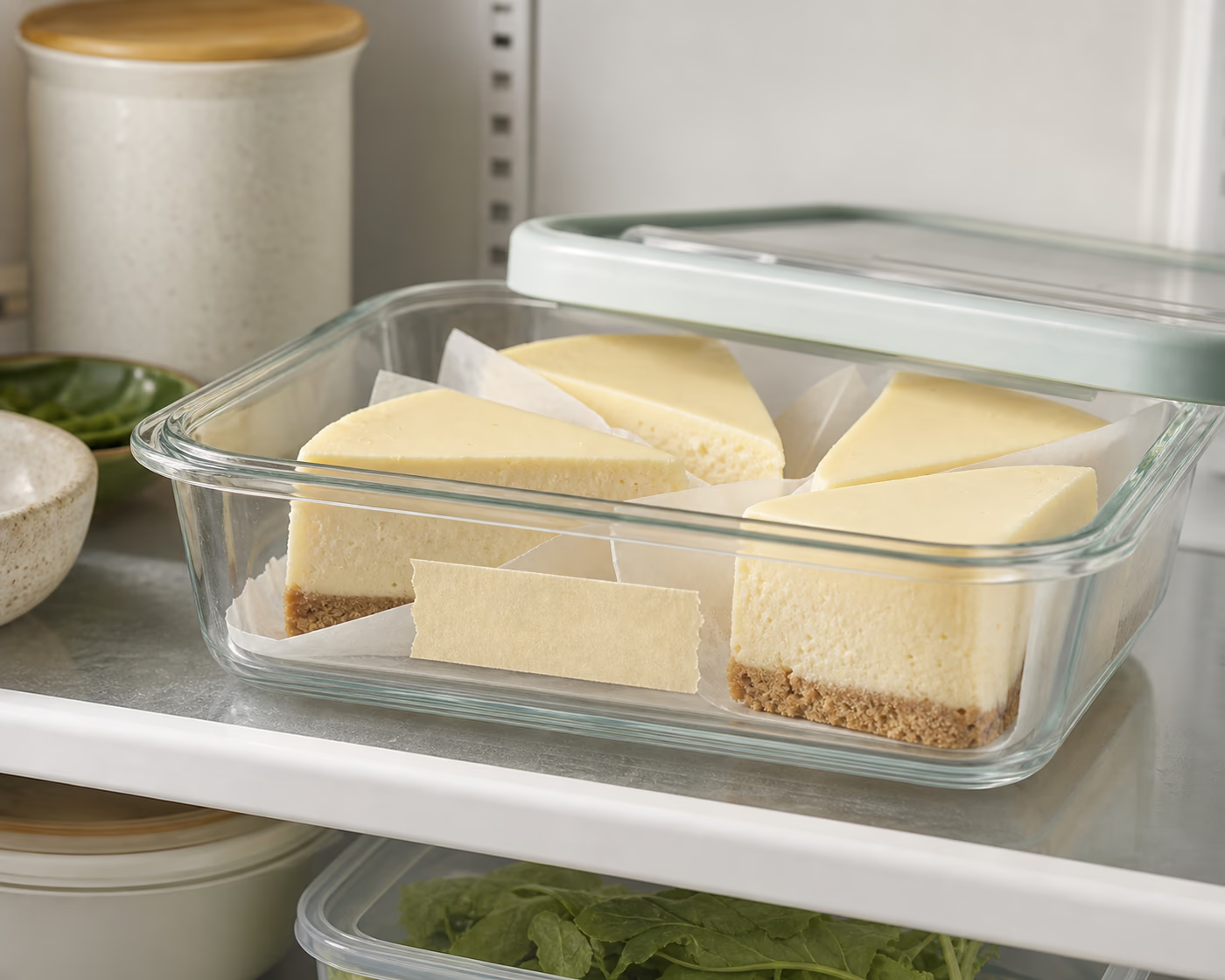
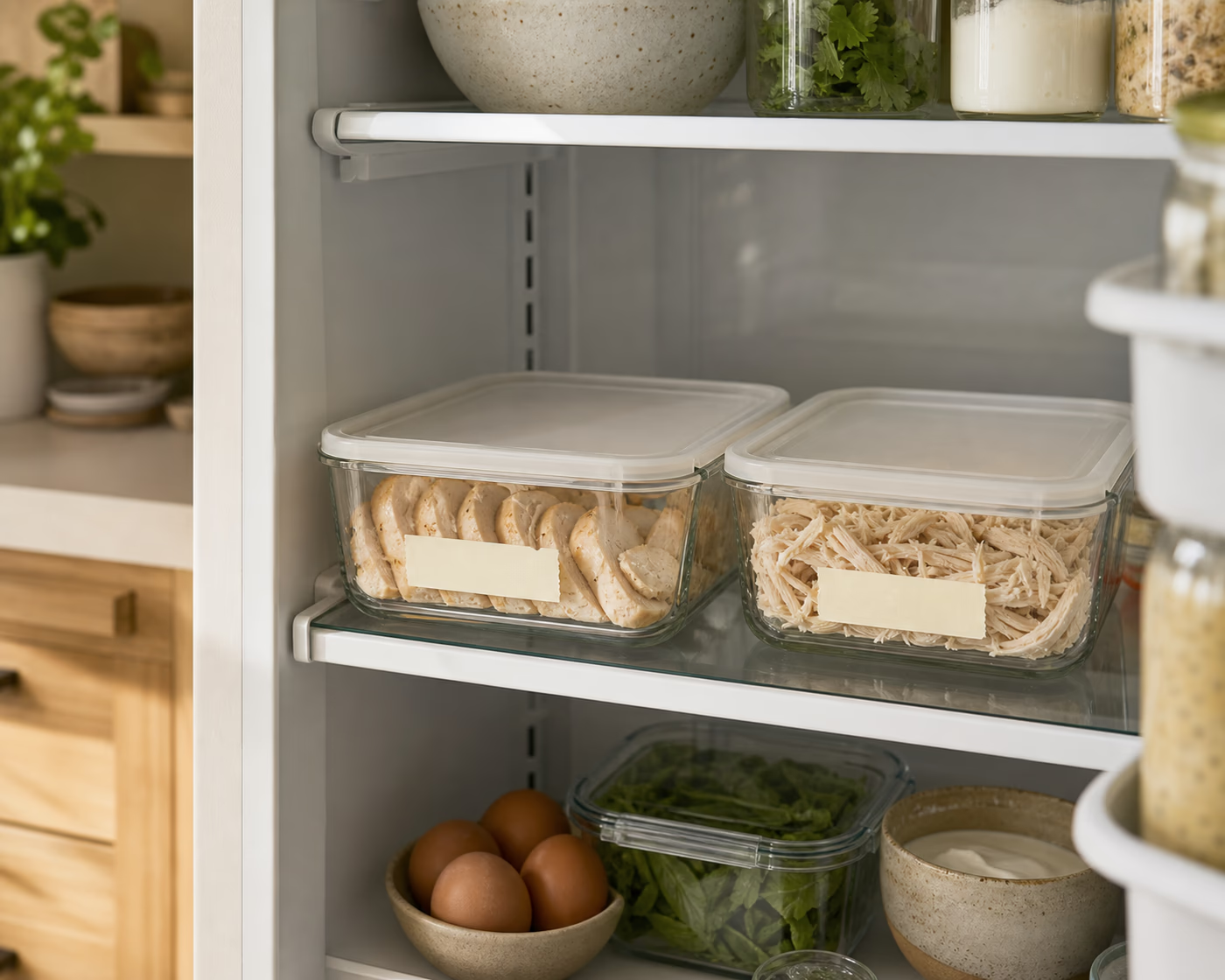
The storage zone is the one most kitchens skip. Then dinner ends, everyone is tired, and the containers turn into a tiny obstacle course. Put the containers, lids, labels, and marker close enough that packing leftovers feels like part of dinner, not a second project.
If leftovers are a regular part of your week, pair this setup with the leftover landing zone. That post handles the fridge side: what goes at eye level, what gets labeled, and when food needs to move to the freezer.
Make It Easier
What to read next
If the utensil drawer is the zone causing trouble, start with the afternoon drawer reset. If the pantry is the problem, use the pantry inventory or pantry staples that make dinner easier. For a weekly rhythm that keeps the zones from drifting, use the Sunday kitchen reset.
FAQ
Small kitchen zone questions
What are the most useful kitchen zones?
The most useful kitchen zones are prep, heat, serve, and store. Prep holds chopping tools, heat holds stove tools, serve holds plates and finishing pieces, and store holds containers and labels.
Do I need organizers to make kitchen zones?
No. Start by moving tools closer to the task. Buy bins, dividers, or shelf risers only after you know what actually needs separating.
How do I organize a kitchen with very little counter space?
Protect one board-sized prep spot first. Move decorative or rarely used items away from that surface, keep daily tools nearby, and let the rest of the kitchen be less perfect.
What should I keep near the stove?
Keep oil, salt, pepper, tongs, a spatula, a spoon rest, and the skillet or saucepan you use most near the stove. Add a thermometer if you cook meat, poultry, seafood, or leftovers often.