
Recipe Notes
Why this works
Starting with fully hard-cooked eggs, mashing the yolks before adding too much liquid, and chilling the filled eggs keeps the filling creamy, neat, and safe for a bring-along plate.
Eggs
Slightly older eggs often peel more cleanly than very fresh eggs. Cook until yolks and whites are firm.
Mayonnaise
This gives the filling its creamy texture. Add it gradually so the yolks do not turn loose.
Mustard
Dijon tastes sharper; yellow mustard tastes more classic and mild.
Vinegar or pickle brine
A small splash wakes up the filling. Too much makes it thin, so add it carefully.
Start Here
The plate people say is optional
I have learned not to argue with deviled eggs. Someone will say, “Oh, just bring anything,” and then the deviled egg plate becomes the thing everyone checks first. It is a small, funny kitchen truth: eggs disappear faster when they arrive already dressed.
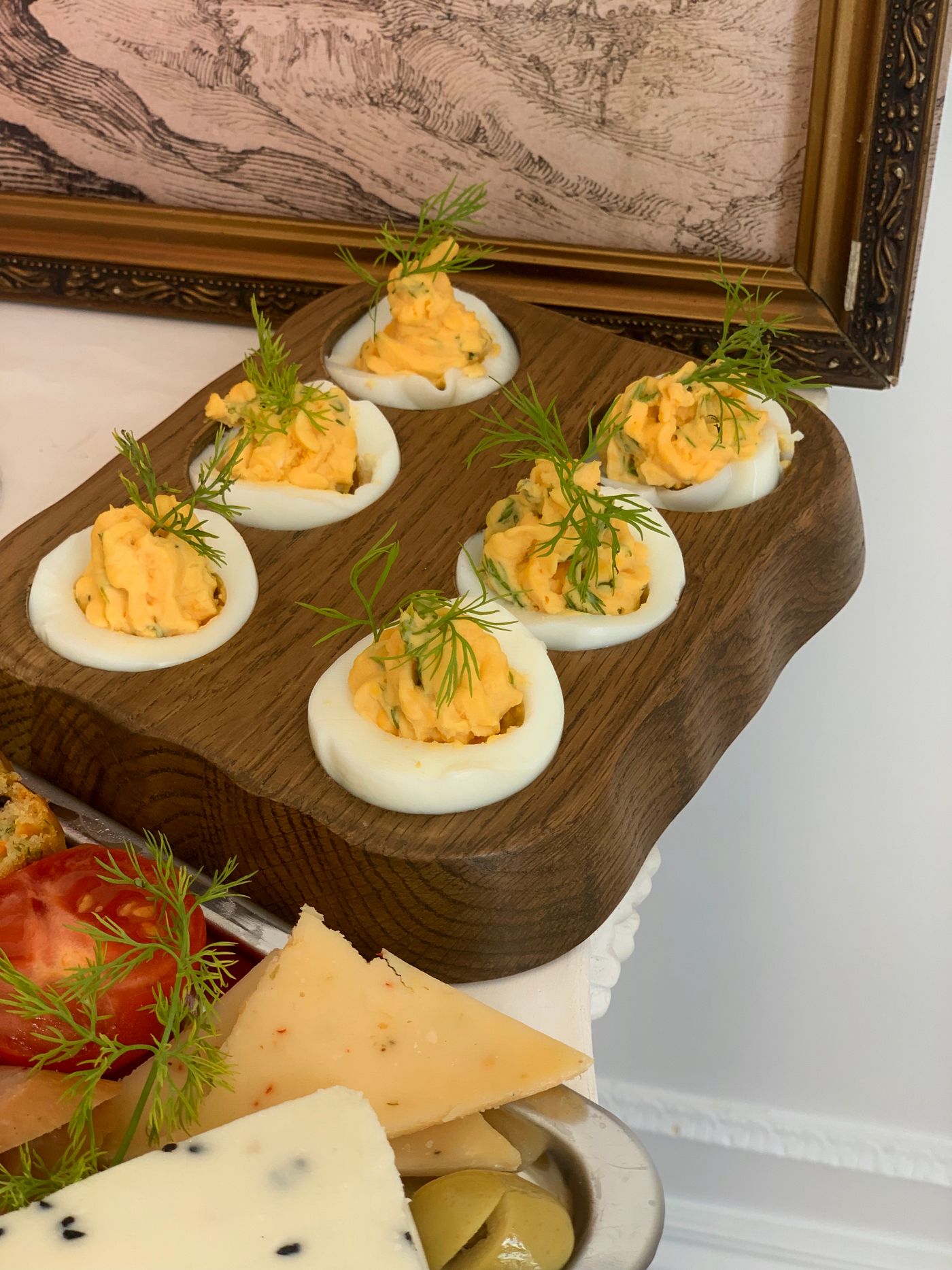
This deviled eggs recipe is classic on purpose. Hard-cooked eggs, creamy yolks, mustard, a little vinegar or pickle brine, paprika, and no complicated performance. My goal is a bring-along plate that looks cared for but does not make you regret volunteering.
The trick is not more ingredients. It is control: cool the eggs well, mash the yolks before adding liquid, and keep the filled eggs cold. Loose filling and warm eggs are my two party-food enemies here.
Hard-cook until yolks and whites are firm.
Cool in ice water so peeling is calmer.
Mash yolks, mix filling, spoon or pipe.
Refrigerate or carry over ice.
Ingredients
What you need
This is the version I reach for when the eggs need to please a mixed table: creamy, tangy, not too sharp, and easy to adjust. If your people love pickle brine, use it. If they are mustard-sensitive, go with yellow mustard and keep the flavor softer.
Eggs
Use fully hard-cooked eggs. Slightly older eggs often peel more cleanly than very fresh eggs.
Mayonnaise
Add it gradually. It makes the filling creamy, but too much can turn the yolks loose.
Mustard
Dijon is sharper; yellow is gentler. Use the one your table expects.
Vinegar or pickle brine
This is the brightness. Start small, taste, then decide if the filling needs more.
Method
Cook, chill, mash, fill
- Start the eggs. Place the eggs in a medium saucepan and cover with cold water by about 1 inch.
- Cook until firm. Bring to a boil, then turn off the heat, cover the pan, and let the eggs sit for 10 to 12 minutes.
- Chill them well. Move the eggs to a bowl of ice water and cool for at least 10 minutes. This is not wasted time; it makes peeling and handling easier.
- Peel and halve. Peel the eggs, halve them lengthwise, and gently pop the yolks into a bowl. Set the whites on a platter or tray.
- Mash first. Mash the yolks with a fork until fine and crumbly before adding the creamy ingredients.
- Make the filling. Mix in the mayonnaise, mustard, vinegar or pickle brine, salt, and pepper until smooth. Taste before adding more salt, especially if you used pickle brine.
- Fill the whites. Spoon the filling into the egg whites, or pipe it from a bag if you want a neater plate.
- Finish and chill. Top with paprika and any optional herbs or toppings. Refrigerate until serving.
Texture
How to keep the filling creamy
Deviled egg filling gets fussy when the yolks are chunky or the liquid goes in too fast. Mash the yolks until they look like fine crumbs, then add the mayonnaise and acid. Smooth first, loose later.
If the filling feels dry, add mayonnaise 1 teaspoon at a time. If it tastes flat, add a few drops of vinegar or pickle brine before adding more salt. If it is already too loose, chill it for a bit and spoon it instead of piping. That is dinner-party triage, and it counts.
Make Ahead
Make-ahead deviled eggs without the wobble
For the neatest plate, hard-cook and peel the eggs up to 1 day ahead. Keep the whites covered in the refrigerator and the filling in a separate covered container or piping bag. Fill the eggs closer to serving.
If you need to fill them ahead, keep them covered and refrigerated. My preference is to add paprika and fresh herbs shortly before serving so the tops look fresh instead of tired.
Food Safety
Keep the eggs cold
Deviled eggs are cold food. Keep them refrigerated until serving, and do not leave them out for more than 2 hours, or more than 1 hour if the room or outdoor temperature is above 90 F.
For a long gathering, put out a smaller plate and keep the rest in the refrigerator, or set the platter over ice. Picnic food safety has the same cold-food setup for cookouts and packed plates. The prettiest deviled egg is still not worth warm egg math.
Safe Swaps
What you can change
| Change | Works? | What to watch |
|---|---|---|
| Yellow mustard instead of Dijon | Yes | It tastes milder and more classic. |
| Pickle brine instead of vinegar | Yes | It can add salt, so taste before adding more. |
| Greek yogurt for some mayo | Yes, different texture | Use only a little; it tastes tangier and less rich. |
| Hot sauce | Yes | Add a few drops to the filling or the top. |
| Relish | Yes | Drain it well so the filling does not loosen. |
| Smoked paprika | Yes | Use it if you want a deeper, smoky top note. |
| Raw or soft-cooked egg yolks | Not here | This recipe is built for fully hard-cooked eggs. |
Serve It
What to serve with deviled eggs
Deviled eggs work with picnic plates, holiday meals, snack boards, salads, roasted vegetables, sandwiches, and brunch spreads. They also make a very good refrigerator lunch with toast and something crisp.
If the table already has rich food, keep the toppings simple: paprika, chives, dill, or a tiny pickle slice. If the spread is plain, a little hot sauce or smoked paprika gives the plate more personality without making it complicated.
Make It Easier
What to read next
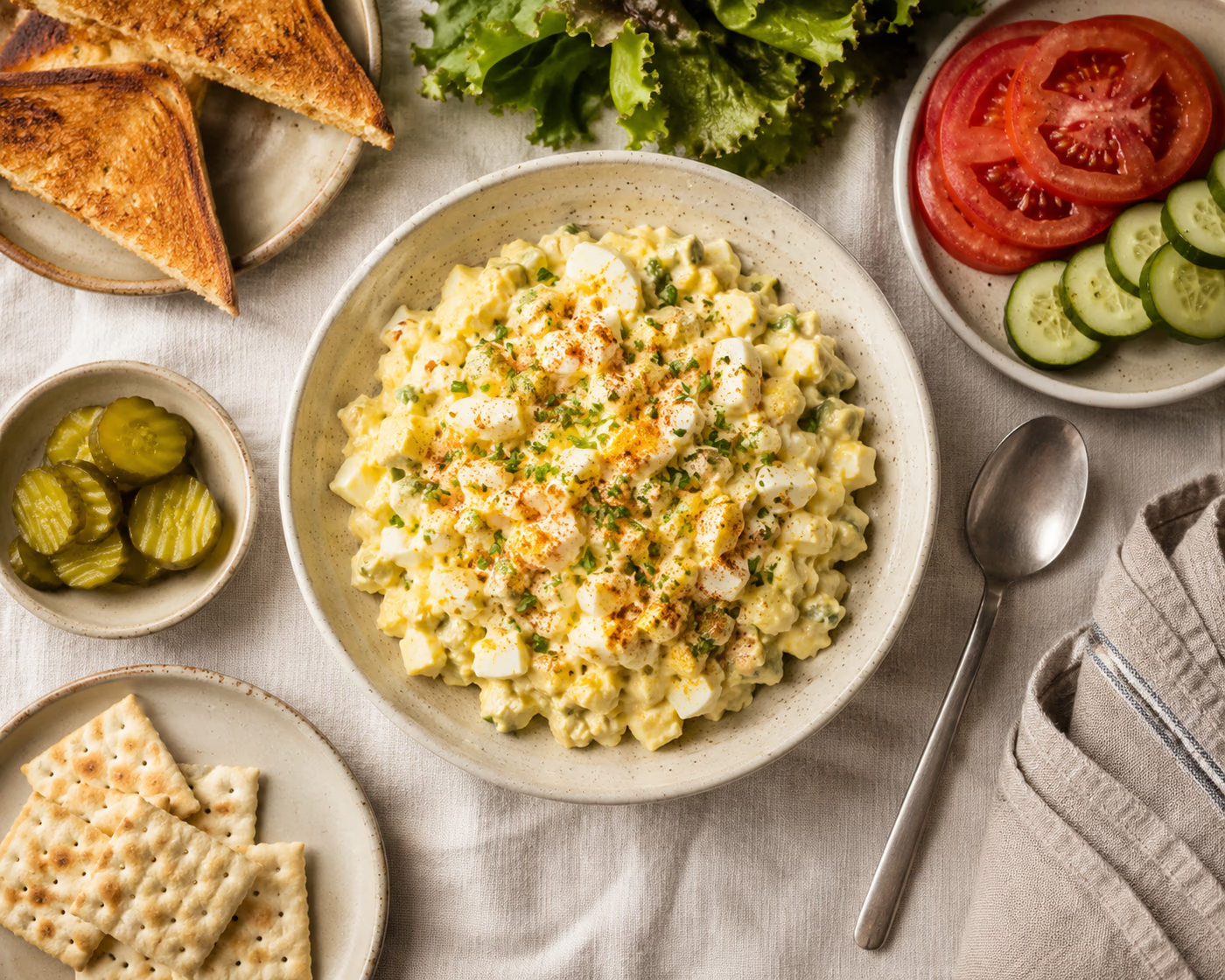
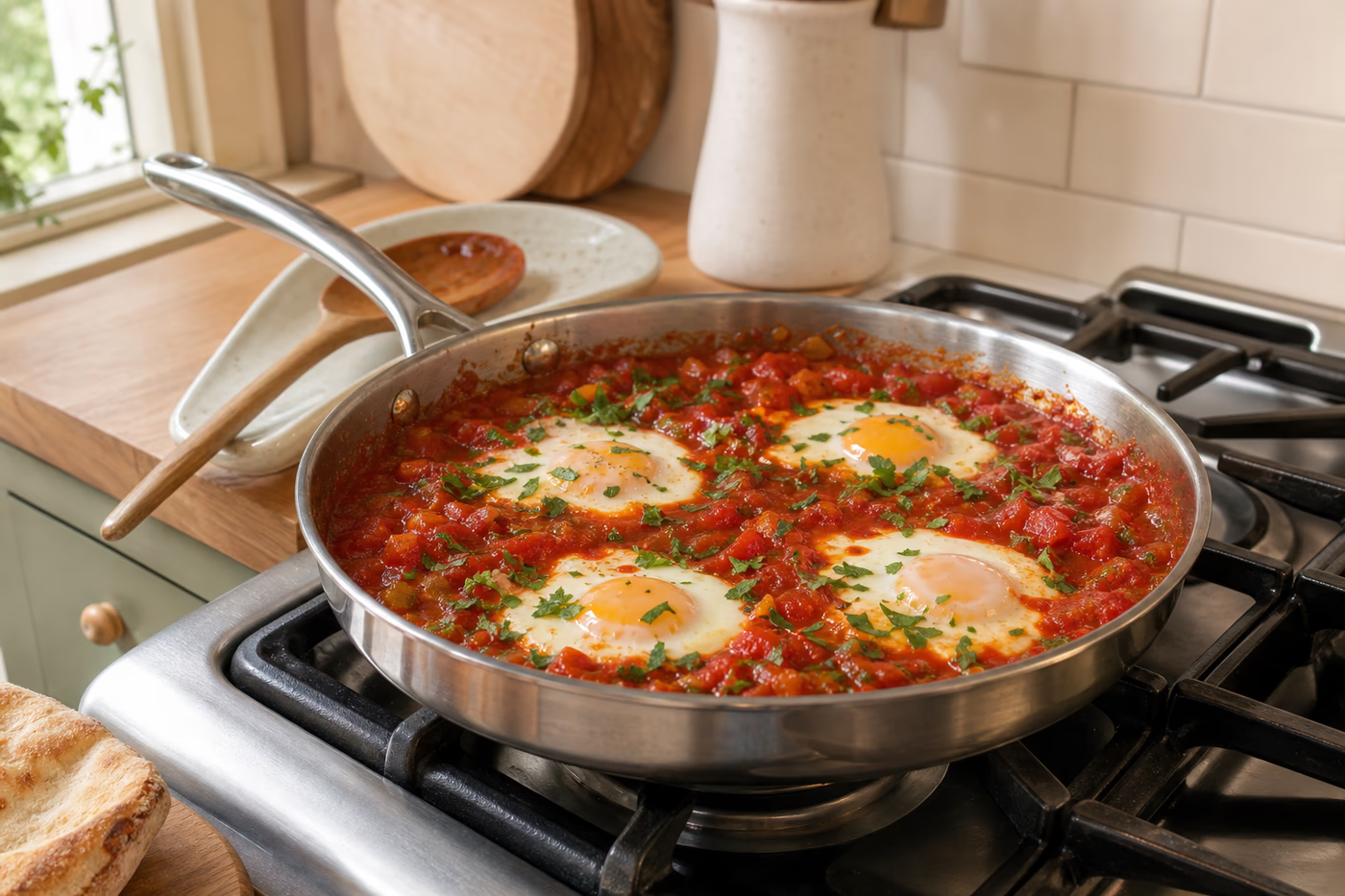
For another egg-forward recipe, make classic egg salad for sandwiches or shakshuka for a small skillet dinner. For more ways to turn eggs, beans, tofu, canned fish, yogurt, nuts, and leftovers into meals, use the pantry protein dinner map.
If you are building a party plate, guacamole for taco night and the small sauce guide both give you easy fresh finishes.
FAQ
Deviled eggs recipe questions
Can I make deviled eggs ahead?
Yes. For the best texture, cook and peel the eggs up to 1 day ahead, keep the whites and filling separate, then fill closer to serving. Filled deviled eggs should stay covered and refrigerated.
How do I make deviled egg filling smooth?
Mash the yolks until fine before adding mayonnaise, mustard, and vinegar or pickle brine. If you want it extra smooth, press the yolks through a fine sieve before mixing.
Why are my deviled eggs watery?
The filling may have too much liquid, or a watery add-in like relish was not drained. Add wet ingredients gradually and use tiny adjustments.
What is the best way to transport deviled eggs?
Use a lidded deviled egg carrier if you have one. Otherwise, chill the eggs well, carry them in a covered shallow container, and keep them cold with ice packs or a cooler.
How long can deviled eggs sit out?
Do not leave deviled eggs out for more than 2 hours, or more than 1 hour if the room or outdoor temperature is above 90 F. Keep extra eggs refrigerated or over ice.
Are these deviled eggs vegetarian?
Yes. The required recipe uses eggs, mayonnaise, mustard, vinegar or pickle brine, seasoning, and paprika, with no meat. Check mayonnaise, mustard, pickle brine, hot sauce, and toppings if your household needs halal certification or avoids alcohol, gelatin, animal rennet, or cross-contact.
Kitchen Note
About nutrition, labels, and timing
Nutrition information is not listed because egg size, mayonnaise brand, toppings, and serving size can change the numbers. If you need exact nutrition details, calculate them with the ingredients and amounts you use.
The Vegetarian badge applies to the required deviled eggs recipe. Optional toppings and packaged condiments can vary by brand, so check labels if halal certification, animal rennet, gelatin, alcohol, cross-contact, or allergens matter in your kitchen.
Use the timing cues as a guide. Stove heat, saucepan size, egg temperature, and egg size can shift hard-cooking time slightly.