
Recipe Notes
Why this works
Simmering the tomato-pepper sauce until thick before the eggs go in gives the eggs a steady place to cook and keeps the finished skillet from tasting watery.
Canned tomatoes
Whole peeled tomatoes make a chunky sauce; crushed tomatoes are faster and smoother. Avoid watery sauce by simmering before adding eggs.
Bell pepper and onion
Cook them until softened before the tomatoes go in so the sauce tastes rounded, not raw.
Warm spices
Cumin, paprika, and coriander keep the sauce savory. Add red pepper flakes or harissa if you want more heat.
Eggs
Cover the pan gently so the whites set. Cook longer if your household needs fully firm yolks.
Start Here
The egg dinner hiding in the pantry
I make shakshuka on the nights when the refrigerator looks quiet but the pantry can still help. Eggs, canned tomatoes, a pepper, an onion, and a piece of bread can become dinner without asking you to think very hard.
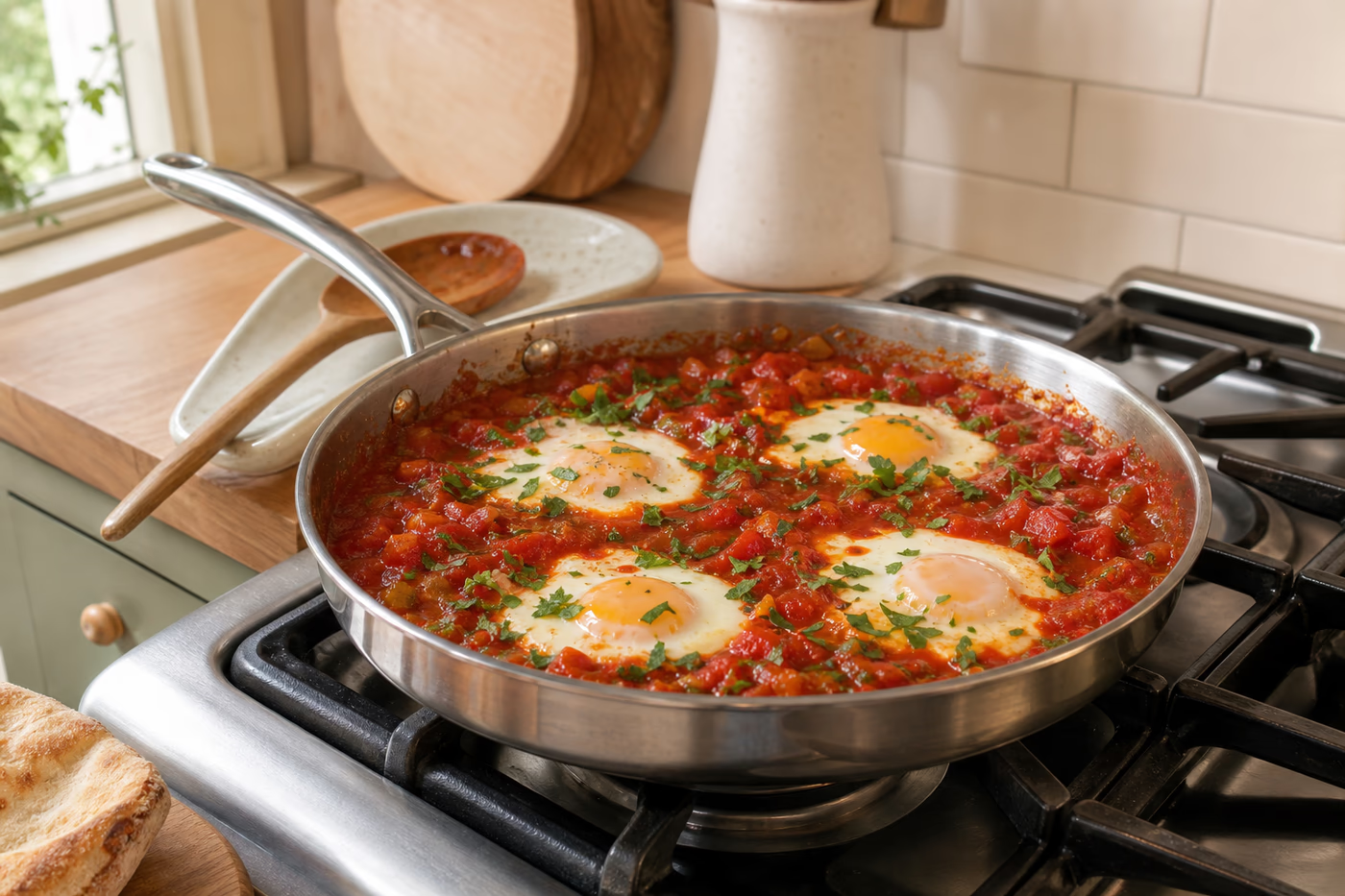
Shakshuka is rooted in North African and Maghrebi cooking and is cooked in many versions across North Africa, the Middle East, and beyond. This is not a claim to be the only version. It is the Hearth Table small-skillet version: thick tomato-pepper sauce, gently cooked eggs, and enough practical cues that dinner does not turn into tomato soup with eggs floating in it.
My small enemy here is watery sauce. Let the tomatoes simmer until they look thick before you add the eggs. The bread will thank you, and so will the person washing the bowl.
Dice onion and pepper, chop garlic, open tomatoes.
Soften vegetables, wake up tomato paste and spices.
Thicken until a spoon leaves a short trail.
Cover gently until whites set and yolks suit your table.
Ingredients
What you need
This is the version I like for dinner: four eggs, one can of tomatoes, and a sauce that is warm but not punishingly spicy. If your house loves heat, add red pepper flakes or a spoonful of harissa. I usually keep the base gentle and let hot sauce have its moment at the table.
Canned tomatoes
Whole peeled gives you chunks. Crushed is faster and smoother. Either way, simmer until thick before the eggs go in.
Bell pepper and onion
Give them time to soften. This keeps the sauce rounded instead of sharp and raw-tasting.
Warm spices
Cumin, paprika, and coriander are the base. Add red pepper flakes or harissa only if you want more heat.
Eggs
Cover the skillet gently. The trapped heat helps the whites set without boiling the sauce hard.
Method
Simmer the sauce, then poach the eggs
- Start the vegetables. Heat the olive oil in a 10-inch stainless, enameled, or nonstick skillet over medium heat. Add the onion, bell pepper, and a pinch of the salt.
- Cook until soft. Cook for 7 to 9 minutes, stirring often, until the onion is glossy and the pepper has relaxed. If the pan looks dry, add a small splash of water instead of more oil.
- Wake up the spices. Add the garlic, tomato paste, cumin, paprika, coriander, and red pepper flakes if using. Stir for 1 minute, until the tomato paste darkens slightly and the spices smell warm.
- Add the tomatoes. Add the tomatoes, remaining salt, and black pepper. Break up whole tomatoes with a spoon as they simmer.
- Thicken the sauce. Simmer for 12 to 15 minutes, stirring occasionally, until the sauce is thick enough that a spoon dragged through the pan leaves a short trail. This is the part I do not rush.
- Add the eggs. Lower the heat to medium-low. Make 4 shallow wells in the sauce and crack one egg into each well.
- Cover gently. Cover the skillet and cook for 5 to 8 minutes, until the whites are set and the yolks are as firm as you like. If your whites are still clear around the yolks, give them another minute.
- Finish and serve. Sprinkle with herbs. Serve hot with bread, pita, toast, rice, or potatoes, plus feta, yogurt, lemon, or hot sauce if you like.
Eggs
How to handle egg doneness
Shakshuka is often served with soft yolks, but your kitchen gets to decide how far the eggs go. For softer yolks, stop when the whites are opaque and set. For firmer eggs, keep the pan covered a little longer.
If you are cooking for someone who needs fully cooked eggs, cook until both yolks and whites are firm. For a thermometer check, egg dishes should reach 160 F. Leftovers should be reheated to 165 F.
Why It Works
Thick sauce makes calmer eggs
The tomato sauce has to do two jobs: taste good and hold the eggs in place. When the sauce is too watery, the eggs slide around, the whites cook unevenly, and the whole skillet feels less like dinner.
Tomato paste helps the sauce taste cooked sooner. A real simmer finishes the job. Once the sauce is thick, the eggs sit in little pockets and cook more gently under the lid.
Safe Swaps
What you can change
| Swap | Works? | What to watch |
|---|---|---|
| Whole peeled tomatoes | Yes | Crush them by hand or with a spoon for a chunkier sauce. |
| Crushed tomatoes | Yes | The sauce will be smoother and may thicken a little faster. |
| Fresh tomatoes | Yes, timing changes | Use very ripe tomatoes and simmer longer until the sauce is thick. |
| Green bell pepper | Yes | It tastes earthier and less sweet than red pepper. |
| Harissa | Yes | Start with 1 teaspoon and taste. Some brands are much hotter or saltier than others. |
| Feta | Optional | Add after cooking. Check labels if your household needs halal-suitable or vegetarian-rennet dairy. |
| Extra eggs | Maybe | Use a wider pan for 5 to 6 eggs, but watch the sauce because it will spread thinner. |
| Raw meat | Use another method | This timing is built for eggs and sauce, not browning and safely cooking meat. |
Serve It
How to make it dinner
Warm pita or crusty bread is the obvious move, and it is the one I reach for most. Toast also works. Rice, roasted potatoes, or a small salad can make the skillet feel more like dinner if bread is not the plan.
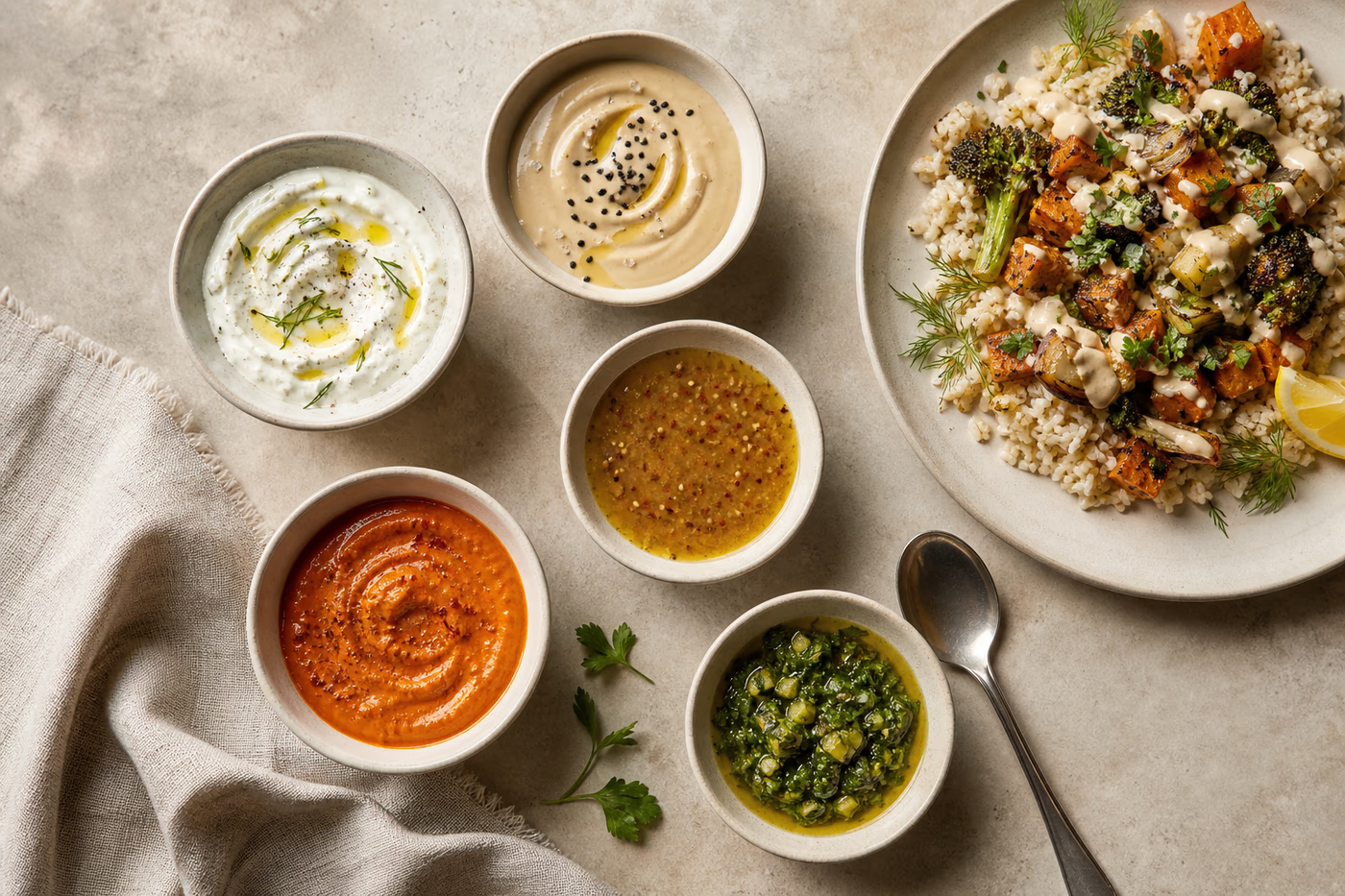
If you want one cool thing on the side, use plain yogurt with lemon and salt, or borrow an idea from the small sauce guide. If you are building dinner from pantry protein, this fits right next to the pantry protein dinner map.
Storage
Store the sauce if you can
Shakshuka is best right after the eggs cook. If you want leftovers, the sauce is the better part to save. Make the sauce ahead, refrigerate it, then warm it and add fresh eggs when you are ready to eat.
If you do have cooked leftovers with eggs, cool them promptly in a shallow container, refrigerate at 40 F or below, and use within 3 to 4 days. Reheat leftovers to 165 F. Do not leave the skillet out for more than 2 hours, or more than 1 hour if the room is above 90 F.
Make It Easier
What to read next
For more pantry tomato dinners, use the 20-minute pantry pasta map or freezer-friendly pantry lentil soup. For more egg and bean dinner ideas, start with the pantry protein dinner map.
If this skillet needs a little extra finish, the small sauce guide has yogurt, herb, and lemony options that make simple dinners feel complete.
FAQ
Shakshuka recipe questions
What is shakshuka?
Shakshuka is a dish of eggs cooked in a spiced tomato and pepper sauce. It is rooted in North African and Maghrebi cooking and is cooked in many versions across North Africa, the Middle East, and beyond.
Can I make shakshuka with canned tomatoes?
Yes. Canned tomatoes are useful for weeknight shakshuka because they are consistent. Whole peeled tomatoes make a chunkier sauce; crushed tomatoes make a smoother one.
Why is my shakshuka watery?
The sauce probably did not simmer long enough before the eggs went in. Let the tomato sauce thicken first, then add the eggs.
Should I cover the pan?
Yes, especially if the egg whites are slow to set. A lid traps gentle heat so the whites cook without needing to boil the sauce hard.
Is shakshuka spicy?
It can be, but it does not have to be. This version is warm and savory, with optional red pepper flakes or cayenne. Add hot sauce at the table if your household is split.
Is this shakshuka vegetarian?
Yes. The required recipe uses eggs, vegetables, olive oil, spices, tomatoes, and herbs, with no meat. Check optional feta, yogurt, bread, pita, and hot sauce labels if your household needs halal certification or avoids animal rennet, gelatin, alcohol, or cross-contact.
Kitchen Note
About nutrition, labels, and timing
Nutrition information is not listed because egg size, bread, oil, optional feta, yogurt, and serving size can change the numbers. If you need exact nutrition details, calculate them with the ingredients and amounts you use.
The Vegetarian badge applies to the required shakshuka recipe. Optional toppings, bread, pita, yogurt, feta, and hot sauce can vary by brand, so check labels if halal certification, animal rennet, gelatin, alcohol, or cross-contact matters in your kitchen.
Use the timing cues in the method as your guide. Tomato brand, skillet size, stove heat, and how firm you like the eggs can shift the final cook time.