
At a glance
Before you start
- Topic
- Kitchen Systems
- Read time
- 7 minute read
- Updated
- June 27, 2026
Start Here
Lettuce needs cold storage, not a wet bag
Learning how to store lettuce starts with a small but useful split: whole heads, loose leaves, bagged greens, and chopped lettuce do not need exactly the same treatment. The goal is always the same, though. Keep the leaves cold, dry enough to stay crisp, and protected from getting crushed.
For most lettuce, the best storage is in the refrigerator at 40 F or below. Keep whole heads intact and loosely wrapped. Dry loose leaves very well before storing them in a towel-lined bag or container. Keep cut or chopped lettuce covered, cold, and on a shorter timeline.
Quick Answer
What is the best way to store lettuce?
The best way to store lettuce is to keep it cold and manage moisture. Whole heads usually keep best when they stay intact, dry, and loosely wrapped in the crisper drawer. Loose leaves and washed lettuce need a little more help: dry them thoroughly, line the container with a clean towel, and leave enough room so the leaves are not packed down.
Do not wash a whole head just because it is going into the fridge. Wash lettuce under running water before use unless the package says the greens are already washed and ready to eat. Skip soap, detergent, and commercial produce wash.
My usual move is to sort lettuce before it disappears into the drawer. The boring towel-and-container method wins because it handles the thing lettuce hates most: sitting around wet and crowded.
Storage Map
The lettuce storage map
Use the form of lettuce to choose the storage. This is more useful than treating a head of romaine, a bag of spring mix, and a bowl of chopped lettuce like the same ingredient.
| Lettuce Situation | Best Move | Why It Helps |
|---|---|---|
| Whole romaine, iceberg, green leaf, red leaf, or butter lettuce | Keep intact, dry, loosely wrapped, and refrigerated | Whole heads hold texture longer than cut or separated leaves. |
| Loose leaves | Dry very well, then store in a towel-lined bag or shallow container | The towel catches extra moisture without pressing the leaves flat. |
| Bagged or prewashed greens | Follow the package, keep cold, close the bag after opening, and add a dry towel if the leaves look damp | Less rehandling means fewer chances to add moisture or contamination. |
| Already washed lettuce | Spin or blot until dry, then refrigerate in a clean towel-lined container | Wet leaves wilt and break down faster. |
| Cut, shredded, or chopped lettuce | Store dry, covered, and cold, then use quickly | Cut greens have more exposed surface and need more cautious handling. |
| Limp but not slimy lettuce | Refresh briefly in cold water, dry well, and use soon | Cold water can help texture, but it does not reset the clock. |
| Slimy, sour-smelling, leaking, moldy, or unknown lettuce | Discard it | Rinsing does not make spoiled lettuce safe or pleasant. |
Fridge
How to store lettuce in the fridge
The refrigerator is the right home for lettuce you are not using right away. Use the crisper drawer or a steady cold shelf, and avoid shoving lettuce under heavy containers. Lettuce bruises, and bruised leaves break down faster.
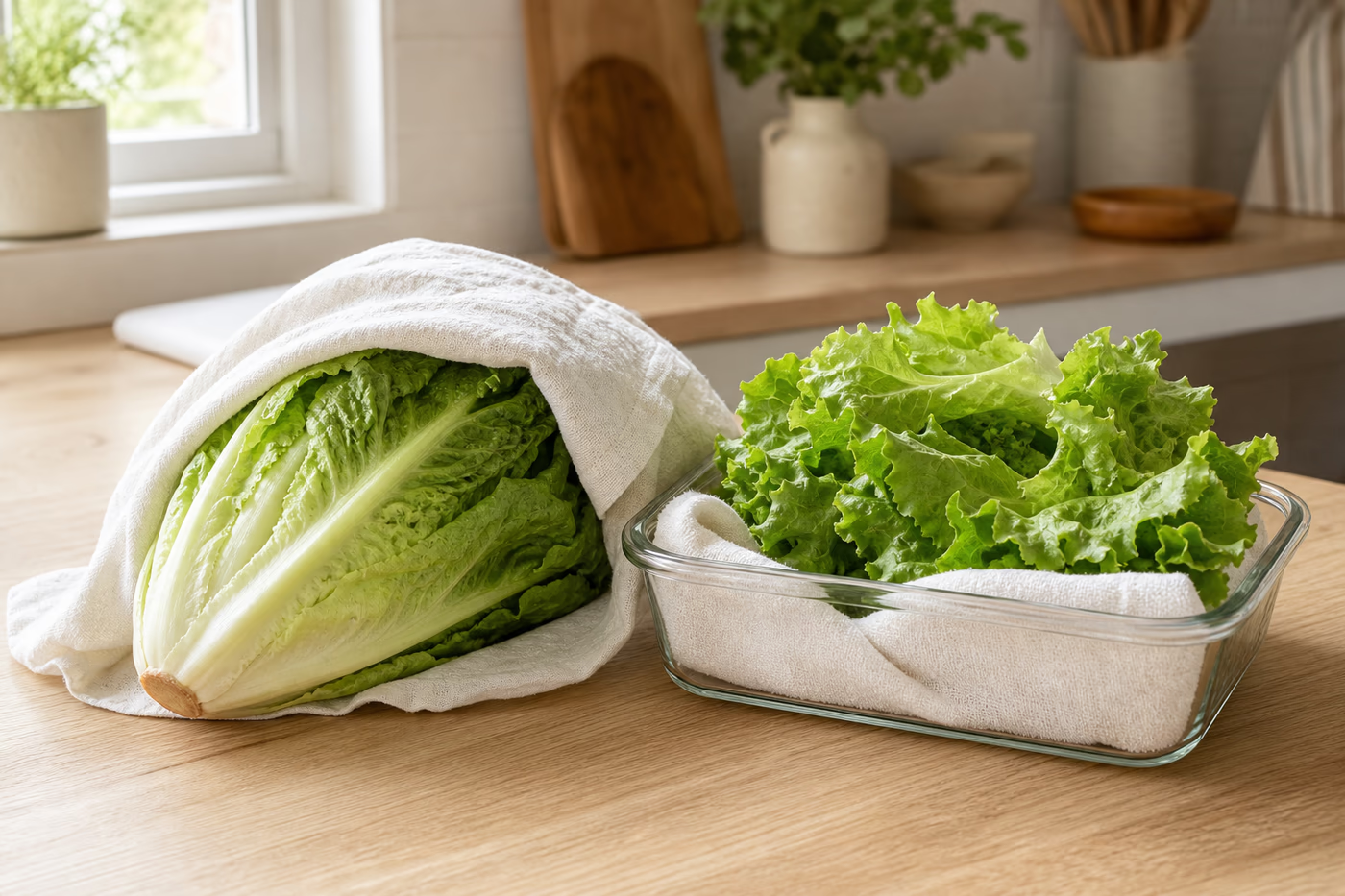
For a whole head, leave the core and leaves intact until you are closer to using it. If the outside leaves are wet, blot them dry. Wrap the head in a clean dry towel or paper towel, tuck it into a loose bag or container, and refrigerate it. The wrap should protect the lettuce, not seal it into a damp little climate.
- Sort first. Remove slimy, moldy, leaking, or badly bruised leaves.
- Keep whole heads whole. Do not chop, shred, or tear the lettuce until you need it.
- Dry the surface. Blot obvious moisture with a clean towel.
- Wrap loosely. Use a paper towel or clean kitchen towel, then a loose bag or container.
- Use the crisper. Keep the lettuce cold, protected, and away from heavy items.
- Check as you go. Use tender leaves first and discard anything that turns slimy or sour-smelling.
This is especially useful if lettuce is headed for tuna salad sandwiches, chicken salad, or weeknight tacos and bowls. Crisp lettuce is the quiet difference between “fine” and “I am glad this was in the fridge.”
Loose Leaves
How to store loose lettuce leaves
Loose leaves need more moisture control than a whole head because more surface area is exposed. If the leaves are clean and dry, line a shallow container or reusable bag with a clean towel, add the leaves loosely, place another towel on top if needed, and refrigerate.
If the leaves are gritty and you need to wash them before storing, wash them under running water and dry them completely. A salad spinner helps, but it is not the finish line. Spread the leaves on a clean towel and blot or air-dry briefly before they go into the storage container.
A dry towel is not there to make the lettuce bone-dry. It is there to catch the extra droplets that turn crisp leaves into sad leaves by tomorrow.
Washing
Should you wash lettuce before storing it?
For a whole head of lettuce, wait to wash until closer to use. Washing too early can add moisture to the leaves, and moisture is one of the fastest ways to lose crispness in the refrigerator. When you do wash lettuce, use running water and clean hands, then dry the leaves well before serving or storing.
If you already washed the lettuce, do not panic. Dry it thoroughly, move it into a clean towel-lined container, refrigerate it, and use it before the unwashed head. The lettuce is not ruined; it just moved into the “use sooner” lane.
Do not wash lettuce with soap, detergent, bleach, or commercial produce wash. Plain running water is the right default for home lettuce washing.
Bagged Greens
How to store bagged lettuce and prewashed greens
Bagged lettuce and prewashed greens are convenient, but they still need cold storage. Keep the bag refrigerated at 40 F or below, close it after opening, and use the greens promptly once the bag is open.
If the package says the greens are prewashed, triple-washed, or ready to eat, you can use them without washing again. Rewashing at home can add moisture and extra handling, which is not automatically an improvement. If the label does not say the lettuce is ready to eat, wash it under running water and dry it well before serving.
If an opened bag has a lot of condensation, tuck a dry paper towel or clean cloth towel inside before closing it. If the leaves are slimy, sour-smelling, leaking, or the bag has lost its normal fresh smell, discard it.
Cut Lettuce
How to store cut or chopped lettuce
Cut, shredded, and chopped lettuce need stricter handling than an intact head. Once lettuce is cut, the leaves have more exposed surface, lose crispness faster, and should stay cold. Dry the pieces well, move them to a covered container lined with a clean towel, and refrigerate them right away.
For meal prep, chopped lettuce is best as a short-window ingredient. Prep only what you realistically need, keep it separate from dressings and juicy fillings, and pack it cold. If cut lettuce sits out for more than 2 hours, or more than 1 hour in very hot conditions, discard it.
For lunches, keep lettuce separate from saucy fillings when you can. It helps in burrito bowls, grain bowls, and quick plates built from lazy dinner ideas. The lettuce should be the crisp part, not the sponge.
Types
Does the lettuce type change the storage?
The method stays mostly the same, but the timeline changes. Iceberg and romaine tend to be sturdier. Green leaf and red leaf are a little more delicate. Butter lettuce is tender and bruises easily, especially if the leaves are separated from the root or head.
For romaine, iceberg, green leaf, and red leaf lettuce, keep the head whole as long as you can. For butter lettuce, protect the leaves from pressure and use it sooner once opened. For mixed salad greens, baby lettuce, and spring mix, treat them like bagged greens or loose leaves: cold, dry, lightly packed, and checked often.
The one rule that keeps doing the work is this: the more delicate or cut the lettuce is, the sooner you should use it.
Plastic-Free
How to store lettuce without plastic
You can store lettuce without a plastic bag. For loose leaves, line a glass or stainless container with a clean dry towel, add the lettuce loosely, top with another towel if needed, and close the lid. For a whole head, wrap it in a clean towel and place it in a lidded container if it fits without bending the leaves.
The tradeoff is space. Rigid containers protect lettuce from crushing, but they can take up more room than a bag. Choose the container size based on the lettuce, not on optimism. Packed-down leaves will not stay crisp just because the container is tidy.
Wilted
Can you revive wilted lettuce?
Limp lettuce is not automatically spoiled. If the leaves are simply tired, clean-smelling, and not slimy, soak them briefly in very cold water, then dry them well. The cold water can help the leaves perk up enough for salads, sandwiches, wraps, or a quick side.
Do not try to revive lettuce that is slimy, sour-smelling, moldy, leaking, or obviously rotten. A cold-water bath helps texture. It does not make spoiled lettuce safe.
If revived lettuce is still a little soft, use it where perfect crunch matters less. Tuck it into a sandwich, serve it under chicken salad, or use it as a quick base with lemon vinaigrette.
Freeze
Can you freeze lettuce?
Lettuce is mostly water, so freezing changes the texture dramatically. Once thawed, it will not be crisp enough for salads, sandwiches, tacos, or bowls. If your goal is fresh crunch, the freezer is the wrong storage tool.
If you blend greens into cooked soups or smoothies, frozen lettuce can sometimes be used as a small add-in, but it is not the best save for most home kitchens. The better move is to store lettuce well in the fridge and use it while it is still fresh.
Spoilage
How can you tell if lettuce is bad?
Discard lettuce that feels slimy, smells sour or rotten, has mold, leaks liquid, or has leaves that are collapsing into wet patches. Also discard cut lettuce that sat out beyond safe time limits, even if it still looks passable.
For a whole head, you may be able to remove one bruised or wilted outer leaf and use the fresh inner leaves if everything else looks and smells normal. But if spoilage has spread, or you are not sure how long the lettuce has been warm, choose caution.
Smell and appearance are useful warning signs, but they are not perfect safety tests. Handling history matters, especially with cut leafy greens.
Avoid
Lettuce storage mistakes that make it wilt faster
Most lettuce problems come from moisture, pressure, and waiting too long to sort the leaves. These are the habits worth skipping.
- Storing wet leaves tightly sealed: trapped moisture speeds up wilting and breakdown.
- Skipping the sort: one slimy or damaged leaf can make the whole container decline faster.
- Chopping too early: whole heads keep better than cut lettuce.
- Rewashing ready-to-eat greens by habit: follow the package and avoid adding extra moisture when washing is not needed.
- Using soap or produce wash: running water is the safer home baseline.
- Crushing the container: lettuce needs protection from heavy fridge items.
- Keeping mystery lettuce: if nobody knows when it was washed, cut, opened, or left out, do not build dinner around it.
The calmer version: sort it, dry it, give it a little room, and use the most fragile leaves first.
FAQ
Lettuce storage questions
Is it better to store lettuce in a bag or container?
Either can work. A loose bag is flexible for whole heads, while a shallow container protects loose leaves from crushing. In both cases, use a clean towel to manage extra moisture and keep the lettuce refrigerated.
Do paper towels keep lettuce fresh?
Paper towels or clean cloth towels help because they absorb extra surface moisture. They do not fix old lettuce, but they make good storage easier by keeping leaves from sitting in condensation.
Should bagged lettuce be washed again?
If the package says the lettuce is prewashed, triple-washed, or ready to eat, you can use it without washing again. If the package does not say that, wash the lettuce under running water and dry it well before serving.
How do you store lettuce for meal prep?
Keep whole heads whole when possible. For prepped lettuce, wash if needed, dry very well, store in a covered towel-lined container, keep it refrigerated, and add dressing or juicy toppings close to eating.
How long does chopped lettuce last?
Chopped lettuce has a shorter quality window than a whole head. Store it dry, covered, and refrigerated, then use it quickly. Discard it if it turns slimy, sour-smelling, wet, moldy, or if it sat out too long.
Can you store lettuce with dressing?
For best texture, store lettuce without dressing. Dressing wilts the leaves quickly, especially tender lettuce and chopped greens. Keep dressing separate until close to serving.
Can wilted lettuce make you sick?
Limp lettuce is not automatically unsafe if it still smells fresh and is not slimy or moldy. Discard lettuce that is slimy, sour-smelling, leaking, moldy, or from unknown handling.
Use It
Use the crunch while you have it
Good lettuce storage is not about making lettuce immortal. It is about keeping the leaves crisp long enough to make ordinary food better. Use whole leaves for tuna salad or chicken salad, chopped lettuce for burrito bowls, and tender greens with lemon vinaigrette when dinner needs one clean, bright thing.
If the lettuce is leaving the house in a lunch box or heading outside for a cookout, pair it with safe meal prep for home cooks and picnic food safety. Cold, dry, and known is the whole quiet system.


