
At a glance
Before you start
- Topic
- Kitchen Systems
- Read time
- 10 minute read
- Updated
- June 4, 2026
Start Here
Meal prep should make dinner easier, not suspicious
Meal prep is only useful if the food still feels trustworthy when you open the container. A fridge full of mystery rice, unlabeled soup, and chicken from an unknown Tuesday is not a dinner plan. It is a negotiation.
This guide is the calm version of meal prep food safety: cool food quickly, keep it cold, reheat it well, freeze what you will not use soon, and let go of food when the timeline is unclear.
The goal is not to make you afraid of leftovers. The goal is to help leftovers stay useful long enough to become bowls, soup, fried rice, packed lunches, freezer backups, and easier weeknight dinners.
The Map
The five decisions that keep meal prep useful
Most home meal prep safety comes back to five simple decisions. You do not need to memorize every storage chart before dinner. You do need a steady rhythm that keeps cooked food out of the risky middle zone and makes dates easy to see.
| Decision | What To Do | Why It Matters |
|---|---|---|
| Cook safely | Use a food thermometer for meat, poultry, seafood, egg dishes, casseroles, and reheated leftovers. | Color and texture are not reliable safety checks for many foods. |
| Cool quickly | Move cooked food into shallow containers instead of one deep pot. | Smaller portions chill faster. |
| Keep cold | Keep the refrigerator at 40 F or below and the freezer at 0 F or below. | Cold storage slows bacterial growth and protects quality. |
| Label plainly | Write the food name and date before it becomes fridge archaeology. | The label answers the question before you have to smell, guess, or argue. |
| Reheat fully | Reheat leftovers to 165 F in the center. | Warm edges do not mean the whole container is hot enough. |
Cooling
Cool food before it becomes a storage problem
The most useful meal prep habit is not a complicated menu. It is moving cooked food into the right containers while you still remember what it is.
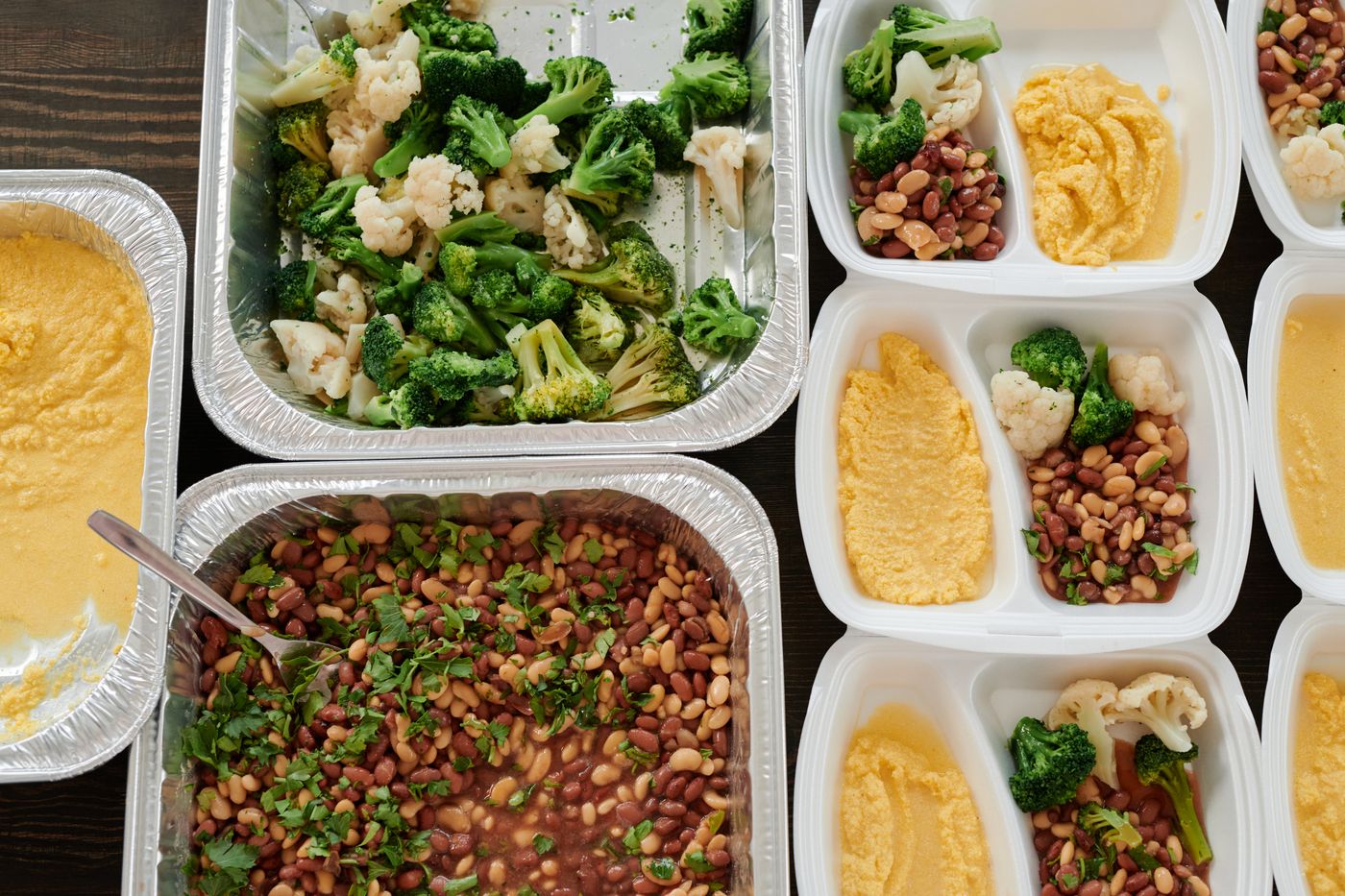
- Portion the food. Divide soup, rice, beans, casseroles, cooked meat, and vegetables into shallow containers.
- Leave steam a way out briefly. Let food stop steaming hard, then cover and refrigerate. Do not leave perishable food sitting out for the evening.
- Use the 2-hour rule. Refrigerate perishable food within 2 hours, or within 1 hour if the room or outdoor temperature is above 90 F.
- Label before chilling. Write the food and date while the container is still obvious.
- Put eat-first food where you can see it. A visible shelf beats a perfect container hidden behind condiments.
Storage Windows
How long does meal prep last?
There is no single answer for every food. A plain rice container, a chicken salad, a pot of soup, hard-cooked eggs, and frozen leftovers all have different rules and quality limits.
| Food | Refrigerator Window | Freezer Quality Window |
|---|---|---|
| Cooked meat or poultry leftovers | 3 to 4 days | 2 to 6 months |
| Soups and stews with vegetables or meat | 3 to 4 days | 2 to 3 months |
| Egg, chicken, ham, tuna, or macaroni salads | 3 to 4 days | Does not freeze well |
| Hard-cooked eggs | 1 week | Do not freeze |
| Egg casseroles or quiche | 3 to 4 days for egg casseroles; 3 to 5 days for quiche | 2 to 3 months for best quality |
| Pizza | 3 to 4 days | 1 to 2 months |
| Frozen leftovers held at 0 F or below | Not a refrigerator item | Safety lasts longer, but quality declines over time |
For a specific ingredient, use the FoodSafety.gov cold food storage chart or FoodKeeper. The best Hearth Table shortcut is still this: prep for the next few days, freeze extras early, and avoid vague “all week” promises.
Rice And Grains
Treat cooked rice like a useful ingredient with a deadline
Cooked rice is one of the best meal prep helpers because it can become bowls, soup, fried rice, burrito bowls, and quick lunches. It also needs a clean timeline.
Cool It Fast
Spread rice or grains into shallow containers so they cool quickly. Do not leave a pot of cooked rice on the counter for hours because you plan to fry it later.
Reheat With Moisture
Add a splash of water, broth, or sauce before reheating so the grains steam back instead of drying out.
Use Dry Rice For Fried Rice
Dry-surfaced rice fries better, but dry is a texture goal, not a safety shortcut. The rice still needs to have been cooled and refrigerated promptly.
Skip Mystery Rice
If you do not know how long rice sat out, do not use it for fried rice, bowls, or soup. Start with another base.
Reheating
Reheat leftovers all the way through
Leftovers should be reheated to 165 F in the center. That matters most for dense containers, casseroles, rice, soups, meat, poultry, and anything that heats unevenly in the microwave.
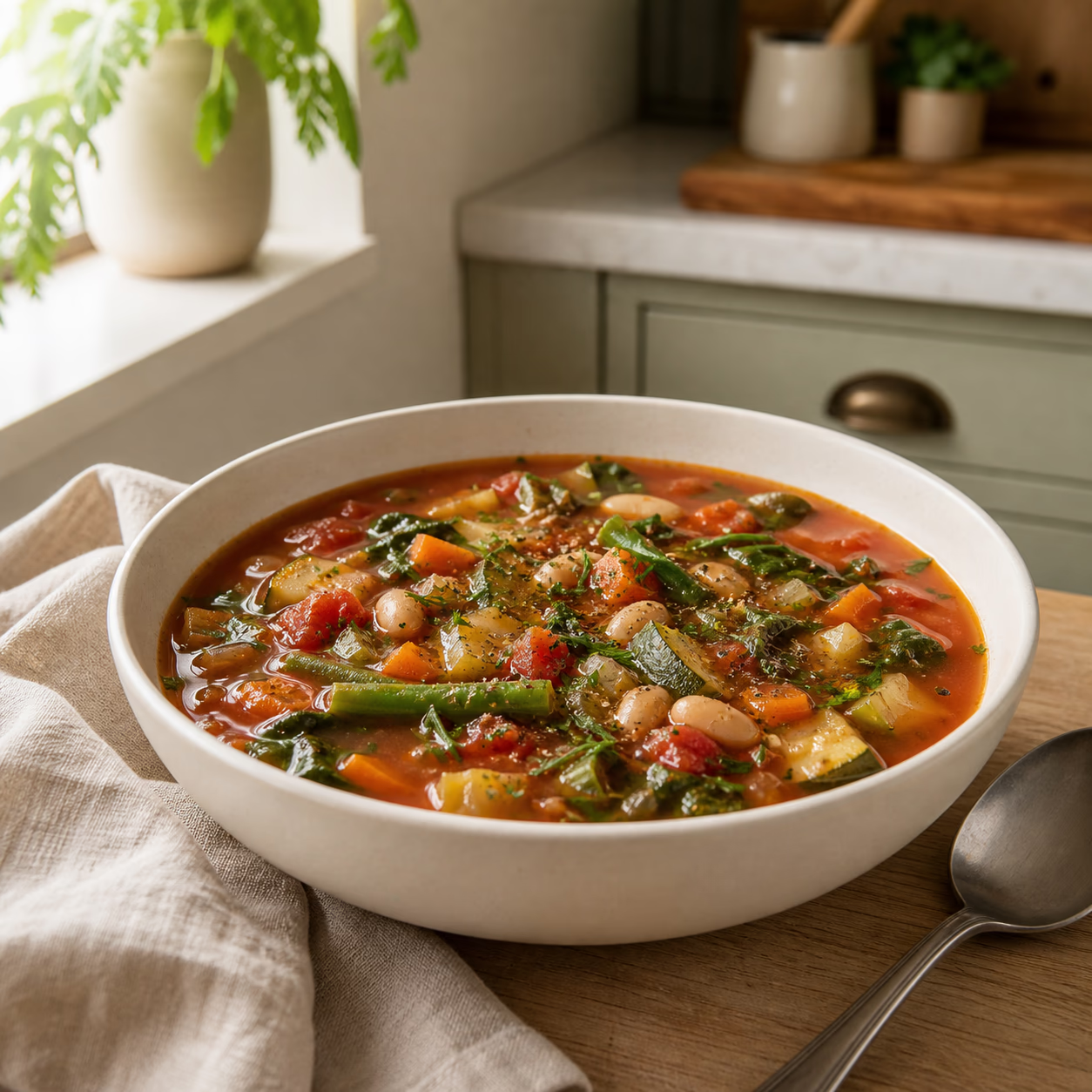
- For soup and stew: stir as it heats and bring the whole pot or portion back hot, not just bubbling at the edges.
- For rice and grains: add moisture, cover loosely, stir, and check the center.
- For casseroles: cover at first so the center heats, then uncover if the top needs texture.
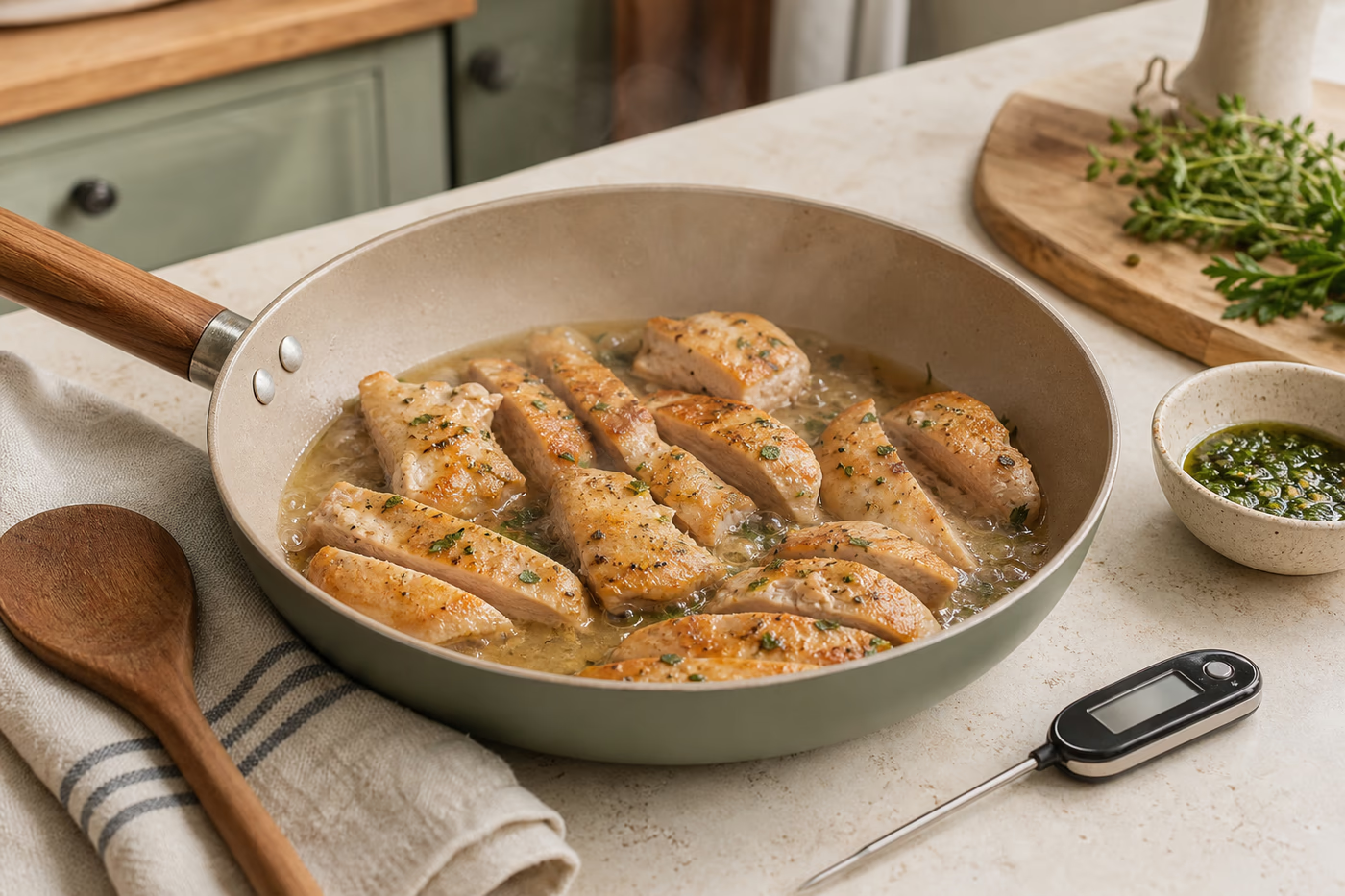
- For cooked chicken or meat: reheat gently with broth, sauce, salsa, or a splash of water so it does not dry out before it reaches the right temperature. For the chicken-specific method map, use how to reheat chicken.
- For seafood: be cautious. Reheat only what you will eat, keep it cold before reheating, and do not stretch the storage window.
Freezer
Freeze extras while they are still worth saving
The freezer is not where leftovers go to be forgotten politely. It is a dinner tool when food is labeled, portioned, and used while the quality is still good.
- Freeze in useful portions. One enormous block is harder to thaw and easier to avoid.
- Leave headspace for liquids. Soup, broth, stew, and sauce expand as they freeze.
- Label name, date, and amount. “Lentil soup, 2 cups, Jun 4” is enough.
- Use freezer windows as quality windows. Food held at 0 F or below stays safe longer, but flavor and texture decline.
- Thaw safely. Use the refrigerator when possible, or use cold water or the microwave when you will cook or reheat right away.
For a small routine that makes this easier, use the freezer backup box.
Packed Lunch
Pack perishable lunches with a cold plan
A packed lunch needs a temperature plan, especially when it includes cooked leftovers, meat, poultry, seafood, eggs, yogurt, cheese, cut fruit, or salads.
Cold Lunch
Use an insulated lunch bag with cold sources. Put the lunch in a refrigerator when one is available, and keep the bag clean between uses.
Hot Lunch
Use an insulated container for hot food. Heat food to 165 F before packing, and keep the container closed until lunch.
Shelf-Stable Backup
When cold storage is not realistic, choose shelf-stable items: crackers, sealed tuna or beans if appropriate, nut or seed butter, fruit that does not need chilling, or packaged pantry helpers.
Toss Boundary
If a perishable lunch spent too long at room temperature, do not rescue it later. A cheaper lunch is not worth a bad afternoon.
Kitchen Setup
A simple Hearth Table meal prep setup
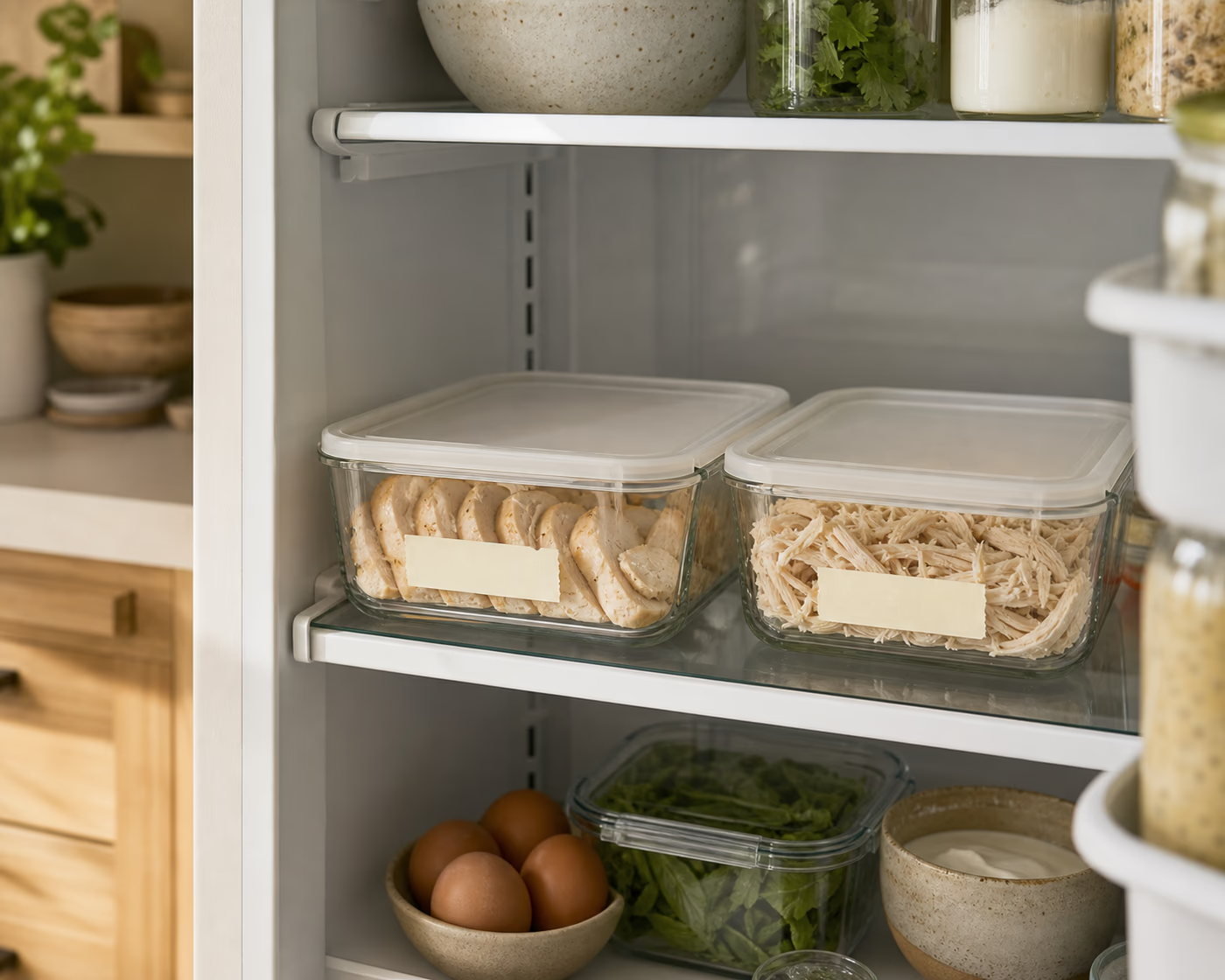
You do not need a refrigerator full of matching containers. You need a few containers that cool food well, labels you will actually use, and one visible place for eat-first food.
| Tool | Use | Low-Effort Version |
|---|---|---|
| Shallow containers | Cool soup, rice, beans, casseroles, and cooked vegetables faster. | Any clean food-safe container that is not too deep. |
| Labels | Name and date meal prep before it becomes a mystery. | Painter’s tape and a marker. |
| Fridge landing zone | Keep food that should be eaten soon in one visible spot. | One shelf, tray, plate, or clear bin. |
| Freezer backup box | Hold portions that can become future dinner. | One bin, one bag, or one drawer corner. |
| Thermometer | Check doneness and reheating temperature. | A basic instant-read food thermometer. |
When To Toss
Let mystery food go
Smell is not enough. Some food can make you sick without smelling spoiled, and some mold or spoilage is obvious only after the food has already lost the argument.
- Toss food if you do not know when it was cooked.
- Toss food if you do not know whether it stayed cold.
- Toss food that looks moldy, slimy, leaking, swollen, or otherwise suspicious.
- Toss refrigerated leftovers that have passed the relevant storage window.
- Toss perishable packed lunch food that sat out too long without a cold or hot plan.
Official Guides
Where to check the exact rule
For exact storage windows, use the FoodSafety.gov cold food storage chart. For cooking and reheating temperatures, use the safe minimum internal temperature chart.
For the basic food safety framework, use CDC’s food poisoning prevention guide or FoodSafety.gov’s four steps. For cold storage and freezer quality, use FDA food storage guidance.
Use It Tonight
What to read next
If the fridge already has cooked food in it, start with how to make leftovers feel like a new dinner. If food disappears before you remember it, set up the leftover landing zone.
If you want future dinner handled, build the freezer backup box. If the container is cooked rice, use the easy fried rice recipe only when the rice has been stored safely.
For cooked chicken you want to use in bowls, tacos, and salads, start with how long cooked chicken lasts in the fridge, then pair those rules with how to reheat chicken without drying it out and grilled chicken marinade. For cold lunch and picnic food, use classic tuna salad, classic chicken salad, three bean salad, and the picnic food safety guide.
FAQ
Meal prep food safety questions
How long does meal prep last in the fridge?
It depends on the food. Many cooked leftovers, soups, stews, and prepared salads are short-term foods, often 3 to 4 days in the refrigerator. Hard-cooked eggs have a 1-week window. Check the official storage chart for the exact food.
Can meal prep last a full week?
Some foods can, but many cooked meal-prep foods should not be treated as a full-week plan. For a calmer rhythm, prep for the next few days and freeze extra portions early.
Is leftover rice safe for fried rice?
Yes, if it was cooled promptly, refrigerated in a shallow container, kept cold, and reheated thoroughly. If the rice sat out for hours or the storage history is unclear, skip it.
Can I put hot food in the refrigerator?
Small portions of hot food can go into the refrigerator, and large batches should be divided into shallow containers so they chill faster. Do not leave perishable food out for hours waiting for it to become room temperature.
What temperature should leftovers reach when reheated?
Reheat leftovers to 165 F in the center. Stir soups, stews, rice, and casseroles as they heat so cold spots do not hide in the middle.
How do I pack meal prep for lunch?
Use an insulated bag with cold sources for perishable food, or keep the lunch refrigerated when possible. For hot food, heat it to 165 F before packing it in an insulated container.
What if the leftovers smell fine?
Smell is not a reliable safety test. If the food is too old, was stored poorly, sat out too long, or has an unclear timeline, toss it.
Kitchen Note
About nutrition, diets, and risk
This is a general home-cooking guide, not medical or therapeutic diet advice. If you are pregnant, immunocompromised, caring for young children or older adults, managing allergies, or following a medical diet, use official guidance and advice from a qualified professional.
Check labels and ingredients if your household follows halal, vegetarian, allergy, or alcohol-avoidance rules. Meal prep can change categories quickly when broth, sauces, cheese, gelatin, meat, seafood, alcohol, or cross-contact are involved.