
Storage answer
Fridge, counter, or freezer?
- Best move
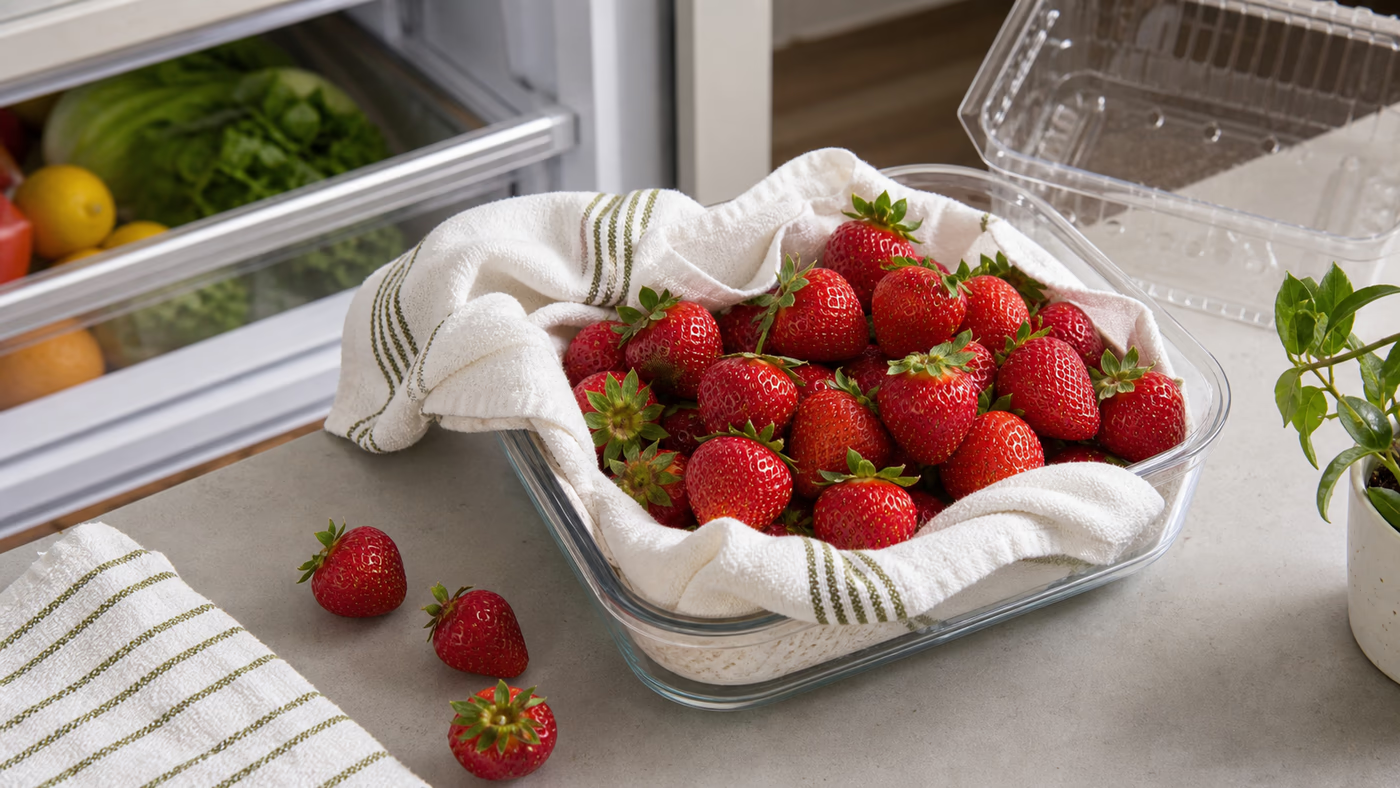
- Sort berries first, keep whole berries dry and unwashed, and refrigerate them in a shallow towel-lined container.
- Room temp
- Keep strawberries at cool room temperature only if you will eat them the same day.
- Fridge
- Plan on 3 to 5 days for refrigerated whole strawberries; very fresh, dry, well-sorted berries may last closer to a week.
- Freezer
- Freeze ripe berries by washing, drying, hulling, freezing flat, and moving to a labeled bag.
Do not keep it if you see
- Mold
- Slimy texture
- Leaking berries
- Rotten smell
- Bad bruising
Refrigerate washed, cut, hulled, or dessert-ready berries; wash berries right before eating or cutting.
Start Here
Strawberries need a dry place and a quick sort
Learning how to store strawberries starts before the container goes into the fridge. Open the box, pull out any moldy or leaking berries, and give the rest a little breathing room. Strawberries are delicate, and one crushed berry can make the whole container feel like it gave up overnight.
For everyday storage, keep whole strawberries dry and unwashed in the refrigerator. Line the original vented container or a shallow storage container with a clean dry towel, arrange the berries loosely, and wash only the berries you are about to eat, cut, or cook.
Quick Answer
What is the best way to store strawberries?
The best way to store strawberries is to keep them whole, dry, unwashed, and refrigerated in a shallow towel-lined container. The original clamshell can work if it is clean, vented, and not packed with crushed berries. A shallow container with a loose lid also works if you leave room for air and do not stack the berries too deeply.
Wash strawberries under cool running water right before eating, cutting, or cooking. Do not use soap, detergent, or commercial produce wash. If you already washed the berries, dry them like you mean it, move them to a fresh towel-lined container, and use them first.
My usual move is to sort the berries before I put the rest of the groceries away. It feels fussy for about 90 seconds, and then it saves the little sigh later when the bottom of the container has turned into red jam nobody asked for.
Storage Map
The strawberry storage decision map
Use the berries’ condition and your timing to choose the storage. This is more useful than trying to make one container trick solve every pint.
| Berry Situation | Best Move | Why It Helps |
|---|---|---|
| Fresh whole berries you will eat today | Keep cool and dry; wash right before eating | Room-temperature berries taste better, but do not let them sit out all day. |
| Whole berries for the next few days | Sort, keep unwashed, line a vented or loosely covered container with a dry towel, and refrigerate | Dry storage slows the mush-and-mold problem. |
| Already washed berries | Dry thoroughly, store on a fresh towel in the fridge, and use soon | Extra moisture shortens the useful window. |
| Cut or hulled strawberries | Cover and refrigerate; use quickly | Cut fruit spoils faster and should stay cold. |
| Very ripe berries you will not use soon | Wash, hull, dry, freeze flat, then bag | The freezer saves flavor for sauces, baking, and smoothies. |
| Moldy, slimy, leaking, or rotten-smelling berries | Discard the bad berries and check the nearby ones carefully | Washing does not rescue spoiled fruit. |
Fridge
How to store whole strawberries in the fridge
For refrigerator storage, keep strawberries dry and unwashed. Set a clean paper towel or thin kitchen towel in the original clamshell or a shallow container, add the berries in one loose layer if you can, and cover loosely. If you need a second layer, put another dry towel between layers and avoid pressing down.
Use the crisper drawer or a stable cold shelf, and keep the refrigerator at 40 F or below. Strawberries do not need a crowded container, a heavy lid, or a dramatic storage system. They need cold, dry storage and enough space not to bruise each other.
- Open the container. Check the bottom berries, not only the pretty top layer.
- Remove problem berries. Toss moldy, leaking, slimy, or badly bruised fruit.
- Line the container. Add a dry paper towel or clean cloth towel.
- Keep berries whole. Do not hull or slice them for normal storage.
- Cover lightly. Use the vented clamshell or a loose lid so the berries are protected without being trapped in dampness.
- Check daily. Use the softest berries first.
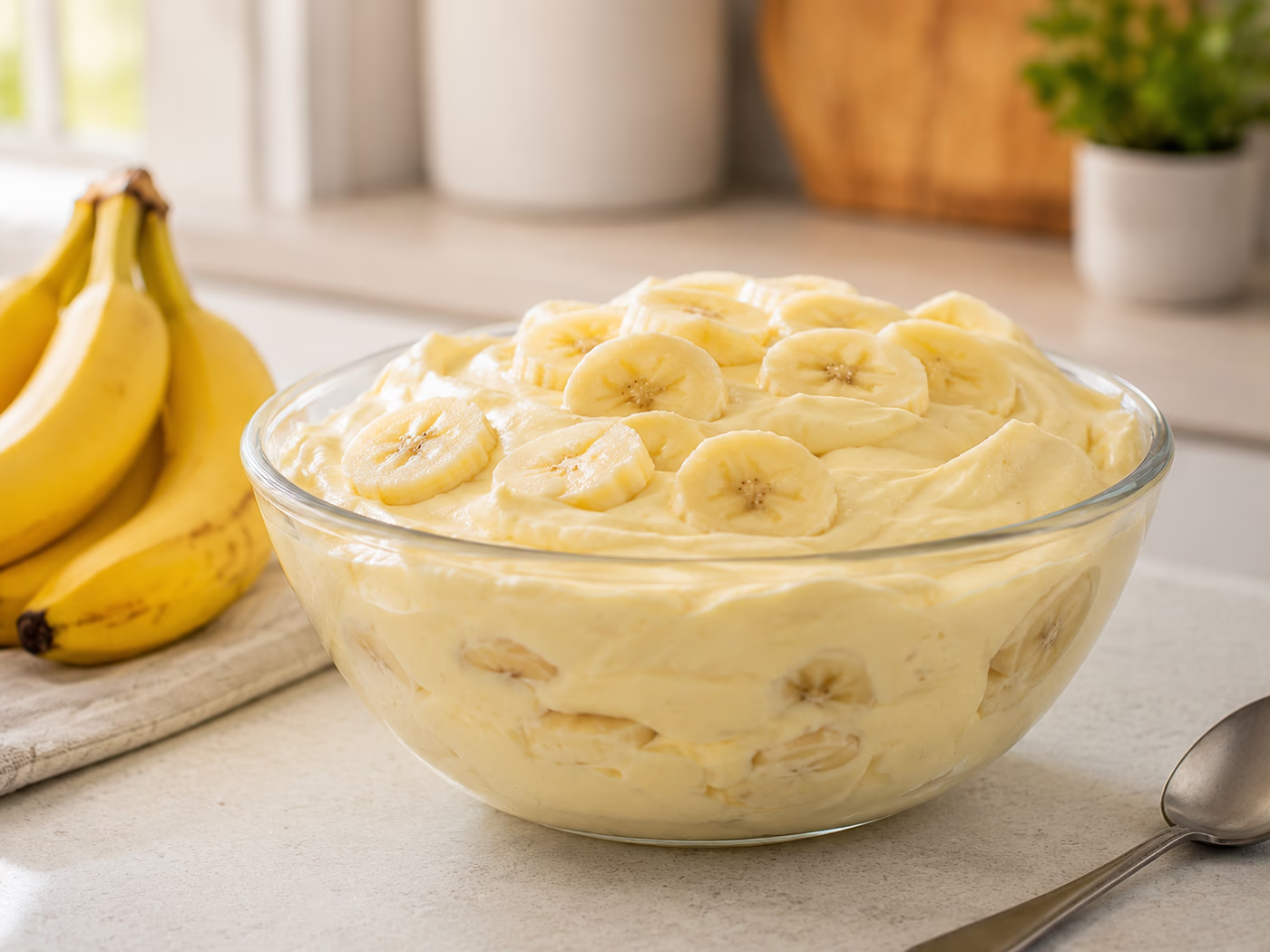
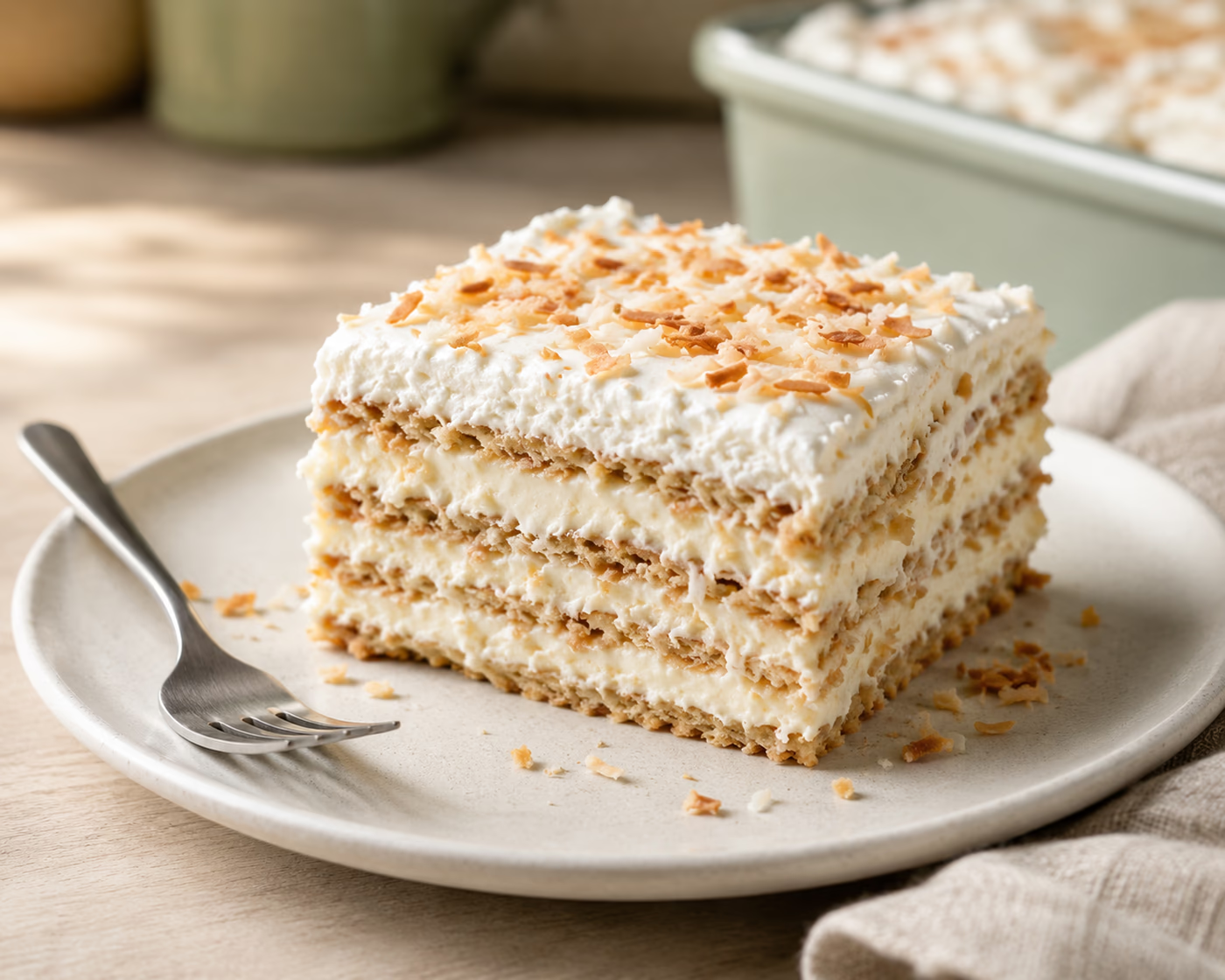
If the berries are for a chilled dessert, this is the moment to make a small plan. For example, the berries for 3 ingredient banana pudding or coconut icebox cake should stay whole and dry until you are ready to prep them.
Fridge Life
How long do strawberries last in the fridge?
Plan to use refrigerated strawberries within 3 to 5 days. Very fresh berries that were sorted, kept dry, and stored with breathing room may last closer to a week, but that is a best-case outcome, not a promise.
The starting condition matters. Berries from a farm stand that were picked recently may give you more room than berries that already spent time in transport and on a grocery shelf. Use the softest berries first, freeze extras while they still taste good, and check the container once a day.
Counter
Should strawberries be refrigerated?
Refrigerate strawberries if you will not eat them the same day. If they are perfectly fresh and you plan to eat them soon, they can sit briefly at cool room temperature for better flavor. After that, the fridge is the safer and more practical place.
Do not leave washed or cut strawberries sitting on the counter. Once berries are washed, hulled, sliced, or mixed into a perishable dish, treat them like food that needs the refrigerator. Use the 2-hour rule, or 1 hour if the room or outdoor temperature is above 90 F.
I like cold storage for the week, but I do let berries lose their refrigerator chill before serving when I can. A cold berry is practical. A slightly warmed berry tastes more like itself.
Washing
Should you wash strawberries before storing them?
For everyday storage, do not wash strawberries before storing them. Wash strawberries under cool running water right before eating, cutting, or cooking. Keep the green tops on while rinsing, then pat the berries dry before you hull or slice them.
If you already washed the whole container, the next best move is drying. Spread the berries on a clean towel, blot gently, and let surface moisture disappear before they go into a fresh towel-lined container in the refrigerator. Use those berries sooner than berries that stayed dry.
Skip soap, detergent, and commercial produce wash. Plain running water is the baseline. A berry is not a plate, and it does not need dish soap energy.
Hacks
What about glass jars, vinegar, and hot water?
Glass jars, vinegar rinses, and hot-water rinses all show up in strawberry storage advice, but they are not the simplest default for most kitchens. They can help in some tests and disappoint in others. The part that matters across methods is sorting the berries and keeping them dry before they go back into the refrigerator.
A glass jar can work for a small amount of dry, unwashed berries, especially if you are not crushing the bottom layer. It is less useful when you have a full pint or two, because deep stacking can bruise the fruit and sealed storage can sometimes trap off-flavors.
If you choose a vinegar or hot-water method, dry the berries completely and use them soon. I would not make that the everyday rule unless you know you will follow through on the drying. Half-dry berries stored with confidence are still half-dry berries.
Cut Berries
How to store cut strawberries
Store cut strawberries in a covered container in the refrigerator and use them quickly. They are best within about a day, especially if they are going into a dessert or lunch container. Sliced and hulled berries release juice, soften faster, and have more exposed surface than whole berries, so they are not a good long-storage project.
If you are cutting berries ahead for dessert, dry them after washing and keep them separate from cake, cookies, pudding, whipped topping, or crunchy toppings until closer to serving. Juicy strawberries are lovely on a plate; they are less lovely when they make everything else soggy before dinner.
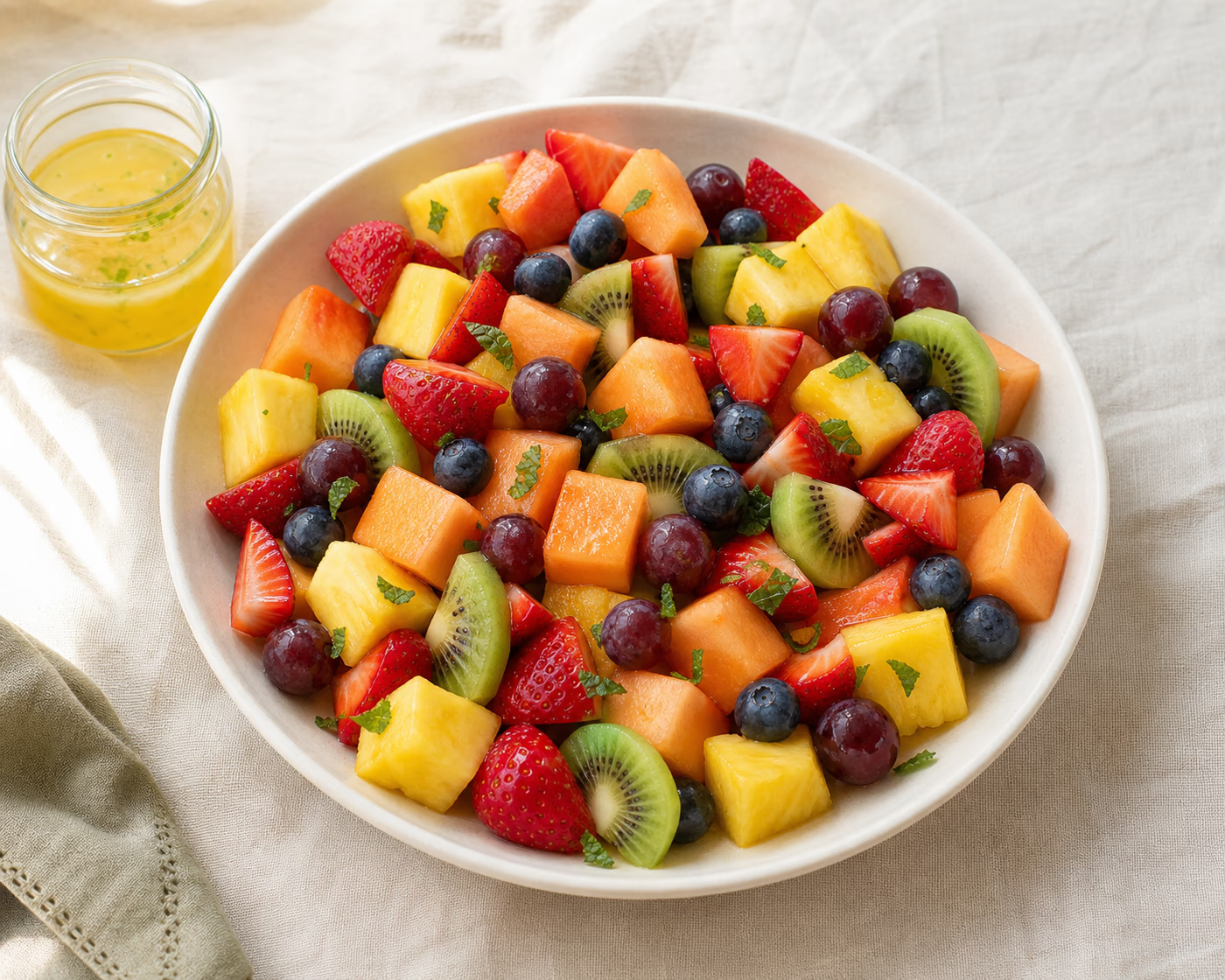
For outdoor serving, pair cut fruit with the cold-holding basics in picnic food safety. If the berries are going into fruit salad, keep the container cold, bring out smaller portions, and do not save fruit that sat out beyond the safe window.
Freeze
Can you freeze strawberries?
Yes. Freezing is the best move when strawberries are ripe and you know you will not use them within the next few days. Frozen strawberries soften after thawing, so they are better for sauces, baking, smoothies, compotes, and cooked desserts than for a fresh fruit plate.
- Sort the berries and discard any moldy, slimy, or rotten fruit.
- Rinse under cool running water.
- Pat dry very well.
- Hull the berries and slice them if that is how you will use them later.
- Spread in a single layer on a parchment-lined sheet pan.
- Freeze until firm.
- Transfer to a labeled freezer bag or freezer-safe container.
Keep the freezer at 0 F. Food held properly frozen stays safe, but strawberry quality still changes over time, so label the bag and use it while the fruit still tastes good. A freezer that has names and dates is much kinder than a freezer full of red mystery chunks; the freezer inventory sheet is useful for exactly this kind of small save.
Spoilage
How can you tell strawberries are bad?
Throw away strawberries that are moldy, slimy, leaking, rotten-smelling, or badly bruised. If one berry is moldy, remove it and check the berries touching it. Keep only berries that still look firm, intact, and fresh.
Do not rinse mold away and call the berry saved. Mold means the berry is done. Smell and appearance can help you notice spoilage, but they are not perfect safety tests, so handling history still matters. If cut or washed berries sat out too long, discard them even if they look fine.
Avoid
Strawberry storage mistakes that make berries spoil faster
Most strawberry problems come from moisture, bruising, and waiting too long to make a decision. These are the habits worth skipping.
- Storing without sorting: one moldy or leaking berry can spoil the container faster.
- Washing too early: if the berries stay damp, they turn soft quickly.
- Stacking too deep: heavy layers crush the berries on the bottom.
- Hulling before storage: whole berries keep better than cut berries.
- Using soap or produce wash: running water is the better baseline for home produce washing.
- Waiting to freeze: freeze ripe berries before they are too soft to enjoy later.
The calmer version is this: sort the box, keep the good berries dry, use the softest ones first, and freeze the extras before optimism becomes compost.
FAQ
Strawberry storage questions
Do strawberries last longer in glass jars?
Sometimes, but jars are not the universal answer. A glass jar can help a small batch of dry, unwashed berries, but deep stacking can crush the bottom berries and sealed storage can trap moisture or off-flavors. A shallow towel-lined container is usually more practical.
Should strawberries be airtight?
Not always. Whole dry berries usually do well with some protection and some airflow, such as the original vented clamshell or a loosely covered shallow container. Cut berries should be covered in the refrigerator and used quickly.
Is it okay to eat the rest of the box if one strawberry is moldy?
Discard the moldy berry and any berries that are soft, leaking, moldy, or directly affected. Check the rest carefully and use them soon if they still look firm and fresh. Do not rinse mold off a berry and eat it.
Can you wash strawberries with soap?
No. Do not wash strawberries with soap, detergent, or commercial produce wash. Rinse them under cool running water right before eating, cutting, or cooking, then dry them with a clean towel.
Should you hull strawberries before storing?
No. Keep strawberries whole and unhulled for normal refrigerator storage. Hull them right before using or before freezing, because cut berries soften and release juice faster.
What can I do with soft strawberries?
If the berries are soft but not moldy, slimy, leaking, or rotten-smelling, use them quickly in sauce, compote, smoothies, baking, or a chilled dessert. If they are spoiled or you do not know how long they sat out after cutting, throw them away.
Next Steps
Use the berries before they become a fridge project
If the berries are still firm, keep them whole and dry until you need them. If they are starting to soften, choose a job for them now: freezer bag, sauce, dessert topping, or a quick fruit bowl.
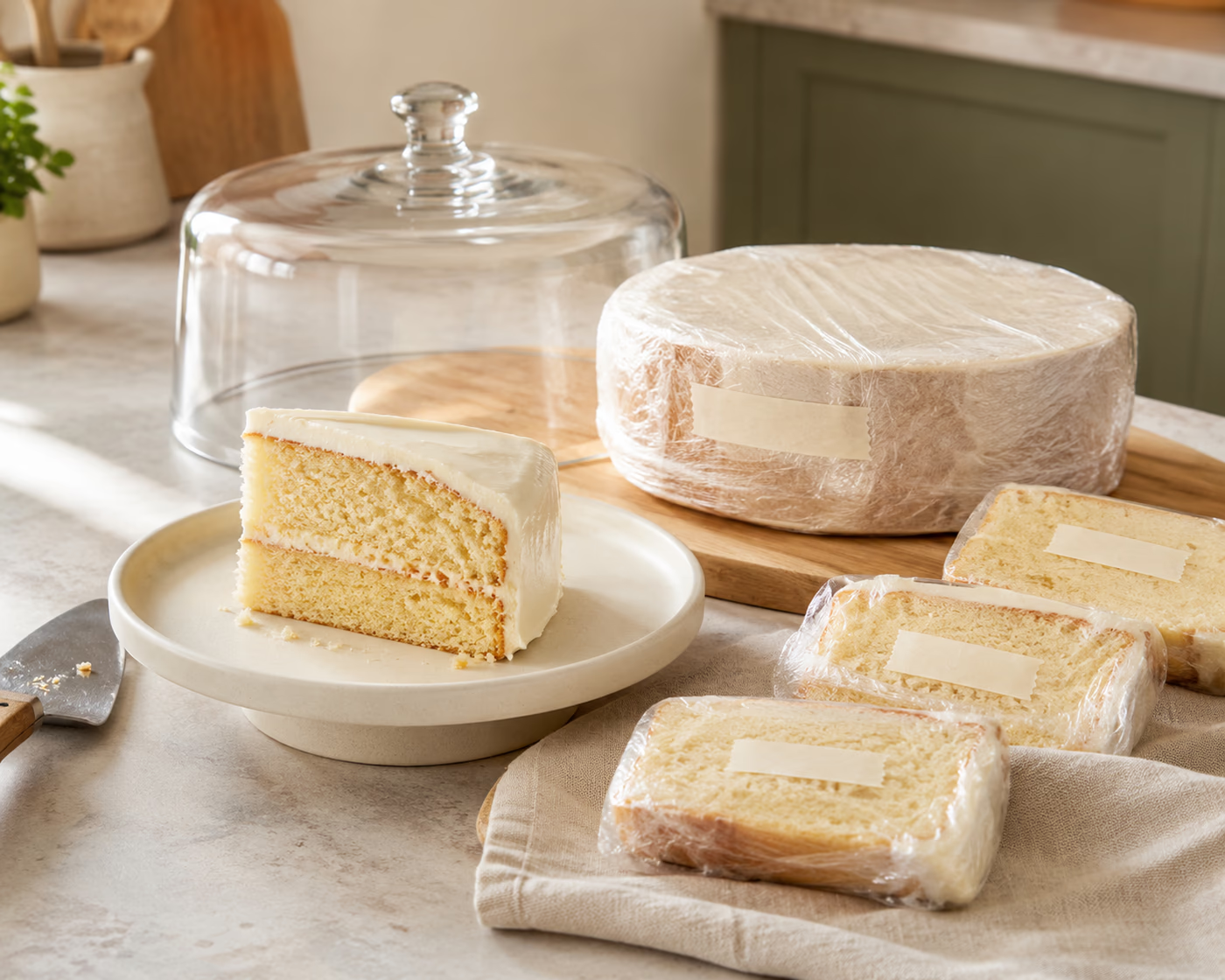
For the rest of the dessert shelf, use how to store cake for sliced and frosted cakes, and how to store cookies when the problem is crisp versus soft instead of juicy versus dry.