At a glance
Before you start
- Topic
- Routines
- Read time
- 8 minute read
- Updated
- June 10, 2026
Start Here
Use one freezer inventory sheet before you plan dinner
A freezer inventory sheet does not need to be a perfect spreadsheet, an app, or a full Sunday cleanout. Most weeks, it can be one small list that tells you what dinner help is already waiting in the freezer.
Pair that sheet with a five-minute fridge check and the point becomes simple: find the food that needs using first, the freezer backup that can help, the dinner starter that is already half done, and the one gap worth adding to the list.
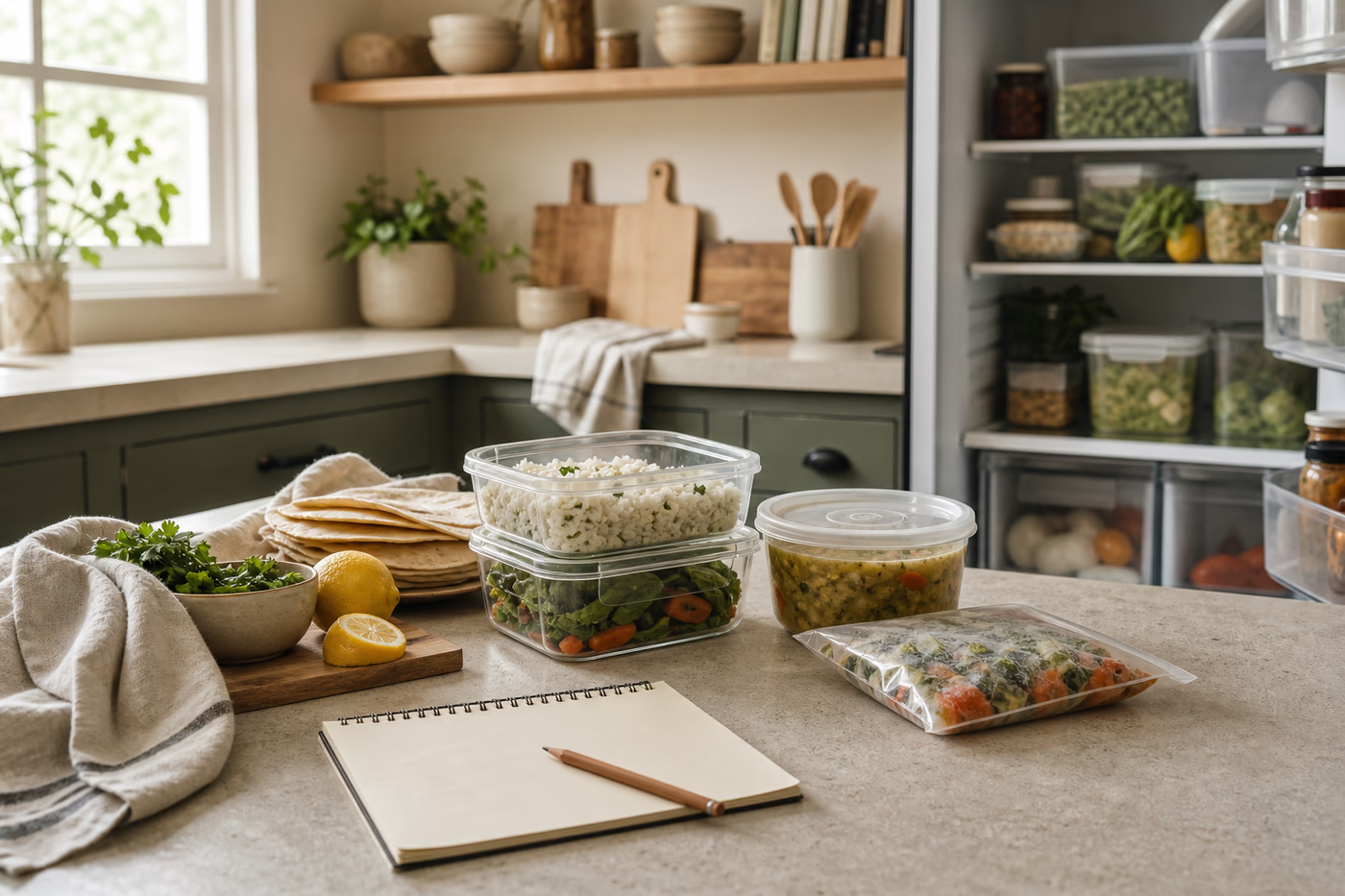
Mara does this with the freezer list nearby, the fridge door open, a pencil in hand, and very low ceremony. If the check turns up cooked rice, half a cucumber, a container of soup, and tortillas in the freezer, dinner is already closer than it felt.
The Sheet
A freezer inventory sheet simple enough to use
The best freezer inventory sheet is short because a short list gets updated. You only need four columns: what it is, how much is left, when it went in, and what dinner it can become.
| Item | Amount | Date Frozen | Dinner Idea |
|---|---|---|---|
| Soup or stew | 2 portions | Write the month/day | Bowl with bread, rice, or greens |
| Cooked rice or grains | 1 bag or container | Write the month/day | Fried rice, soup filler, rice bowl |
| Cooked beans | 1 to 2 cups | Write the month/day | Tacos, bowls, skillet beans |
| Bread or tortillas | Half loaf or stack | Write the month/day | Toast plate, quesadilla, soup side |
| Sauce cubes or broth | Small container | Write the month/day | Pasta, skillet sauce, soup starter |
Keep the sheet on the freezer door, in a notes app, or on the inside of a cabinet. The location matters less than the habit: update it when food goes in, cross it off when food comes out.
The Check
The five-minute fridge and freezer check
Set a timer if that helps. The goal is not to reorganize everything. The goal is to use the freezer inventory sheet and make four dinner decisions while the food is still easy to use.
- Start with the leftover landing zone. Look for cooked food, opened sauces, cut produce, cooked grains, and anything already waiting to become dinner.
- Pull eat-first food to the front. Move older safe leftovers, soft vegetables, herbs, opened broth, and half-used ingredients where you can see them.
- Check the freezer inventory sheet. Look for soup, cooked beans, rice, bread, tortillas, frozen vegetables, sauce cubes, or one protein that can make dinner easier.
- Write one dinner from what you found. Keep it real: a rice bowl, soup, fried rice, pasta, toast plate, quesadilla, or leftover reset.
- Add only the missing piece. If you have rice, chicken, and cucumber, maybe the list needs limes. If you have soup, maybe it needs bread. Do not rewrite the whole week.
If your fridge already has a leftover landing zone and your freezer has a backup box, this check becomes much easier. You are not searching the whole kitchen; you are checking the two places that hold future dinner.
Eat First
What to look for in the fridge
Scan for food that is still safe, still appealing, and close enough to use that you should plan around it now.
Cooked Bases
Rice, pasta, quinoa, potatoes, beans, lentils, roasted vegetables, or soup. These can become bowls, fried rice, skillet dinners, or quick lunches.
Cooked Proteins
Chicken, salmon, eggs, beans, sausage, tofu, or taco filling. Pair with a sauce, a starch, and something crisp so it feels intentional.
Opened Helpers
Broth, coconut milk, tomato paste, salsa, yogurt sauce, pesto, pickles, dressing, herbs, cut lemons, and half-used vegetables.
Soft Produce
Greens, cucumbers, tomatoes, herbs, peppers, carrots, cabbage, and fruit that needs a job before it loses its best texture. If the soft thing is a box of berries, how to store strawberries can help you decide what stays in the fridge and what should go straight to the freezer.
Freezer Backup
What to check in the freezer
The freezer part of a fridge inventory is not about counting every bag of peas. It is about finding one backup that makes dinner feel possible.
| Freezer Find | What It Can Become | Good Gap To Add |
|---|---|---|
| Soup or stew portion | Easy dinner with bread, rice, or a salad | Fresh herbs, lemon, bread, or greens |
| Cooked rice or grains | Rice bowls, fried rice, soup filler, bean bowls | Cucumber, scallions, eggs, or sauce |
| Cooked beans | Tacos, bowls, soup, toast, skillet beans | Tortillas, lime, cabbage, or salsa |
| Frozen vegetables | Stir-fry, soup, pasta, fried rice, sheet pan dinner | Protein, sauce, or noodles |
| Bread, tortillas, or flatbread | Soup side, quesadillas, toast plates, wraps | Cheese, beans, eggs, or greens |
| Sauce cubes or broth | Skillet sauce, soup starter, pasta helper | Pasta, vegetables, or cooked protein |
For a fuller freezer system, use The Freezer Backup Box. This check is the small weekly version: find one thing, use it, and keep moving.
Decision Table
Decide what happens next
A useful fridge inventory ends with a decision. Otherwise the same container goes back in the same place and asks the same question tomorrow.
| What You Found | Best Move | Dinner Direction |
|---|---|---|
| Cooked rice plus vegetables | Use tonight | fried rice, rice bowl, soup filler |
| Cooked chicken or salmon | Use with a sauce and crunch | chicken rice bowl or salmon rice bowl |
| Soup, stew, or cooked beans | Reheat fully or freeze if still within the safe window | vegetable soup, toast, bowls |
| Half-used herbs, lemon, sauce, or pickles | Use as the finish | leftover reset, bowls, sandwiches |
| Food with no clear date or identity | Do not build dinner around it | Let it go and make the next label easier |
Safety
Keep the safety rules simple and visible
The fridge check is partly about dinner and partly about trust. You want food to be easy to use while it is still in a safe, clear window.
- Keep the refrigerator at 40 F or below and the freezer at 0 F or below.
- Refrigerate perishable food within 2 hours, or within 1 hour when it is above 90 F.
- Store cooked food in shallow containers so it chills faster.
- Use most refrigerated leftovers within 3 to 4 days.
- Reheat leftovers to 165 F.
- Freeze useful extras early. Frozen food kept at 0 F stays safe longer, but quality gets worse over time.
Cooked rice, cooked poultry, seafood, soups, creamy sauces, eggs, and packed lunches deserve extra caution. For the deeper version, use Safe Meal Prep for Home Cooks.
Dinner Starts
Five dinners this check can unlock
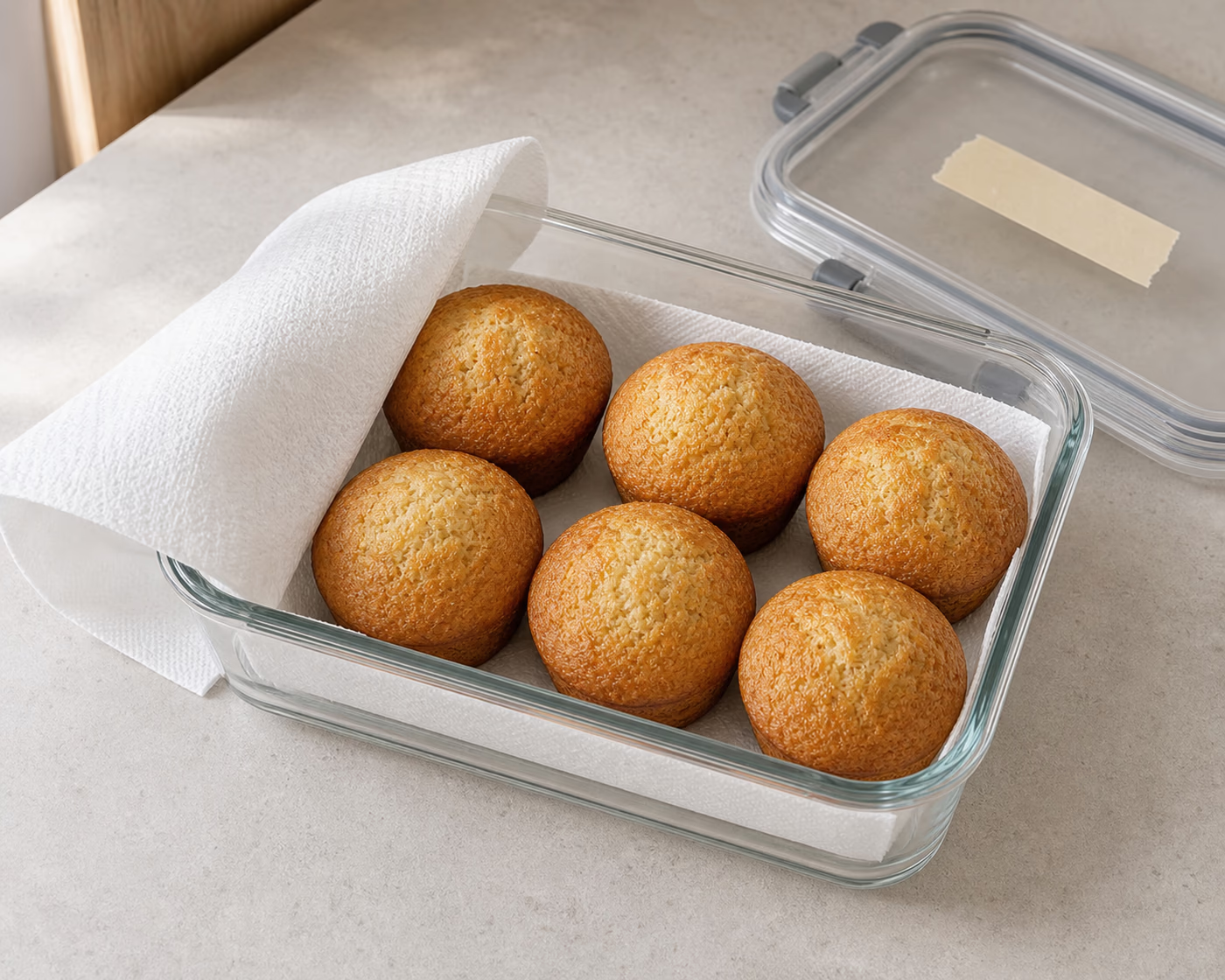
Once you find one useful thing, dinner needs a shape. These are easy places to send leftovers and freezer backups. If the freezer turns up muffins, how to store muffins can help you thaw them without making the tops damp. If it turns up crumble topping, dessert can be as simple as sliced apples and an apple crumble.
Rice Bowl
Warm rice, cooked protein or beans, cucumber or cabbage, sauce, and a bright finish. Use the grain bowl map if you need a formula.
Soup Night
Stretch leftover vegetables, beans, rice, or broth into soup. A freezer portion of lentil soup counts as dinner too.
Pantry Protein Dinner
Use beans, eggs, canned fish, lentils, or tofu with a cooked base and a sauce. The pantry protein dinner map is built for this.
Sauce-And-Crunch Leftovers
Leftovers often need contrast more than a new recipe. Add a small sauce, something crisp, and one fresh finish.
FAQ
Fridge inventory questions
How often should I update a freezer inventory sheet?
Once a week is enough for most homes. Update it when food goes into the freezer, then check it before grocery shopping or before the busiest cooking night.
Do I need a printable freezer inventory sheet?
Only if paper helps you use it. A notebook page, a cabinet note, or a phone note can work just as well. The useful columns are item, amount, date, and dinner idea.
Should I inventory the fridge too?
Yes, but keep it quick. The fridge part is for eat-first food, opened helpers, and cooked leftovers. The freezer sheet is the longer memory; the fridge check is the weekly reality check.
What should I label?
Label cooked leftovers, cooked rice, soups, sauces, opened broth, freezer bags, and anything you will not immediately recognize. Name and date are enough.
What should I not try to save?
Do not try to rescue food when the storage history is unclear, the date is missing, the container is suspicious, or the food sat out too long. A fridge check should make dinner easier, not riskier.