
Start with
Pick the first useful move
Start Here
The leftover is not the whole dinner
My least favorite leftover is the one that asks me to eat the exact same dinner again, only colder in spirit. That is usually when I stop calling it a meal and start treating it like an ingredient.
These leftover dinner ideas are not a long list to scroll through while the fridge door hangs open. They are a small map: check what you have, choose a new shape, add moisture, add brightness, and add texture.
The goal is not to disguise food beyond recognition. It is to make cooked rice, roasted vegetables, chicken, beans, pasta, soup, sauce, or bread feel like it has a job tonight.
Know what it is, when it was made, and whether it was stored well.
Bowl, taco, soup, skillet rice, pasta, toast, salad, or eggs.
Moisture, acid, crunch, herbs, or heat.
Make it feel intentional, not like a replay.
The Map
The five-part leftover dinner formula
When leftovers feel impossible, I ask five questions. It is much easier than trying to invent a recipe from a mystery container and optimism.
| Question | What It Means | Examples |
|---|---|---|
| Is it safe? | Check age, storage, and temperature before getting clever. | Labeled rice, soup, chicken, beans, roasted vegetables. |
| What shape should it become? | Pick the format before picking toppings. | Bowl, taco, soup, pasta, toast, salad, eggs. |
| Does it need moisture? | Most reheated food needs a splash, sauce, or loose dressing. | Broth, salsa, pasta water, yogurt sauce, tomato sauce. |
| Does it need brightness? | Acid and fresh things make leftovers feel awake. | Lemon, lime, vinegar, pickles, herbs, hot sauce. |
| Does it need texture? | Soft food needs contrast. | Cabbage, cucumbers, chips, seeds, breadcrumbs, nuts. |
Choose A Shape
Change the format first
The biggest leftover trick is not a secret sauce. It is changing the format. The same roasted vegetables can feel tired beside yesterday’s chicken, useful in a frittata, fresh in a bowl, cozy in soup, or quick inside a quesadilla.
Bowls
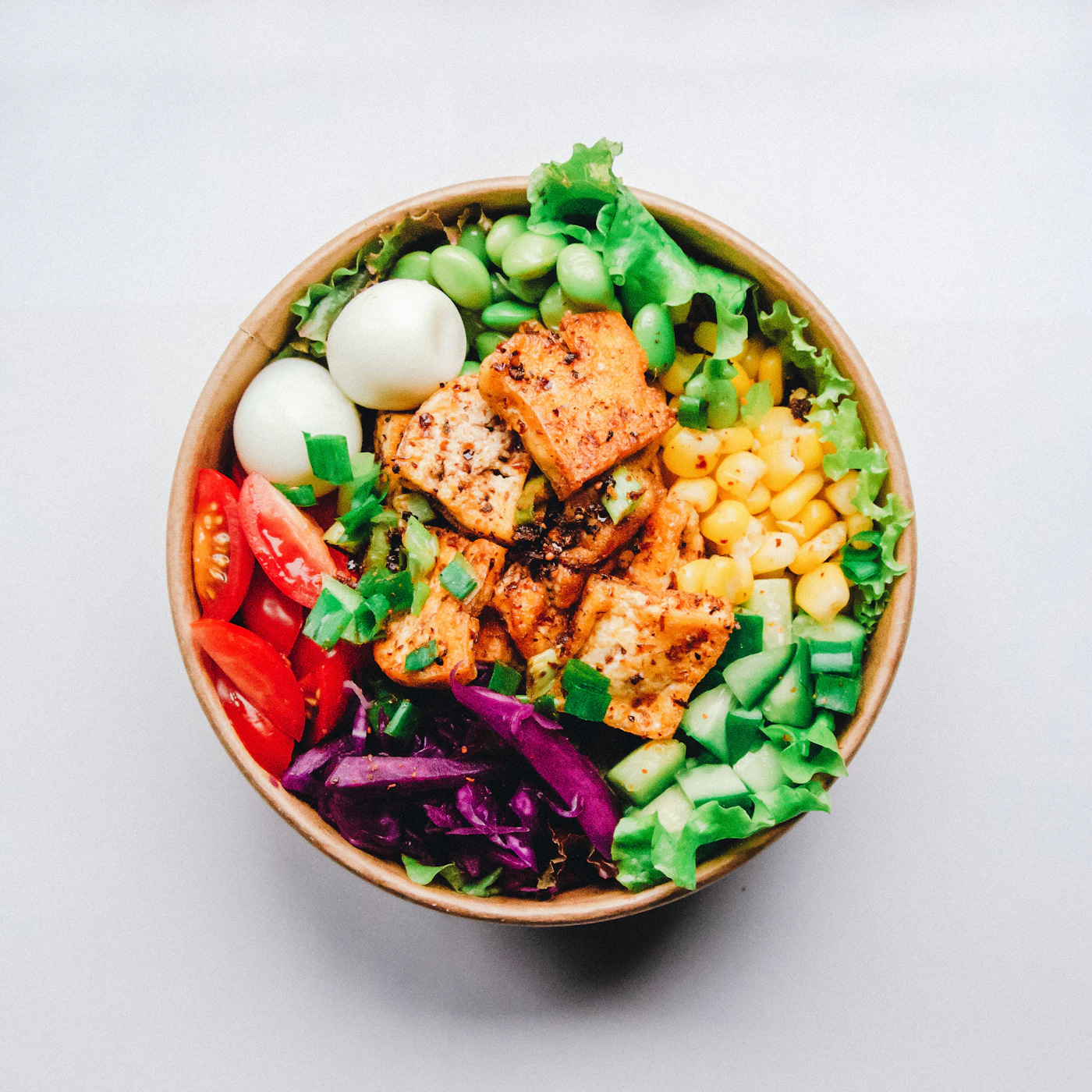
Best for: rice, grains, beans, roasted vegetables, chicken, tofu, greens, and sauces.
Tacos or quesadillas
Best for: small amounts of meat, beans, roasted sweet potatoes, vegetables, salsa, cheese, or cabbage.
Soup
Best for: leftover chicken, rice, beans, vegetables, pasta, herbs, broth, tomato sauce, or greens.
Toast or sandwiches
Best for: eggs, beans, tuna, chicken, roasted vegetables, sauces, pickles, and herbs.
Use What You Have
What each leftover can become
| Leftover | Best Dinner Routes | What It Usually Needs |
|---|---|---|
| Cooked chicken or meat | Rice bowl, taco, quesadilla, soup, skillet rice, saucy toast | Moisture, acid, and something crisp. |
| Cooked rice or grains | Fried rice, grain bowl, soup add-in, beans and rice skillet | Safe storage, heat, and a sauce or splash. |
| Roasted vegetables | Frittata, pasta, warm bowl, soup, toast, quesadilla | Brightness and texture. |
| Beans or lentils | Taco filling, soup, bowl, mash for toast, quick curry-style skillet | Seasoning, fat, acid, or herbs. |
| Pasta | Skillet pasta, pasta frittata, soup add-in, warm pasta salad | A splash of water, broth, sauce, or olive oil. |
| Sauce, salsa, dip, or dressing | Bowl finish, taco finish, toast spread, dry-leftover rescue | A carrier: rice, bread, greens, eggs, beans, or vegetables. |
| Bread, tortillas, or flatbread | Toast, melt, quesadilla, mini pizza, soup side | Heat and a filling with moisture. |
Flavor Fixes
How to make leftovers taste good again
Leftovers often taste flat because the original meal already spent its best texture and freshness. That does not mean the food is useless. It means you need to add back the things reheating cannot create by itself.
Add Moisture
Use broth, water, pasta water, salsa, tomato sauce, yogurt sauce, coconut milk, vinaigrette, or a loose dressing. Start small; you want glossy, not soupy.
Add Brightness
Use lemon, lime, vinegar, pickles, capers, salsa, hot sauce, fresh herbs, or raw scallions. If the meal tastes heavy, brightness usually helps before more salt does.
Add Texture
Use cabbage, cucumbers, radishes, toasted nuts, seeds, chips, crackers, crisp breadcrumbs, fried onions, or a fried egg with a set white.
Add Heat Or Depth
Use chili crisp, taco seasoning, smoked paprika, curry powder, garlic, ginger, black pepper, tomato paste, soy sauce, or mustard, depending on the direction of the meal.
Use It Tonight
Five leftover dinners without a new recipe
Chicken Bowl With Crunch
Warm cooked chicken with a splash of broth or salsa. Add rice or greens, cabbage, pickles, and a quick yogurt sauce or vinaigrette.
Leftover Rice Fried Rice
Use cold rice that was stored well, eggs, frozen vegetables, scallions, and a small soy-sesame sauce. If you want the full method, use the easy fried rice recipe.
Roasted Vegetable Quesadilla
Chop roasted vegetables small, add beans or cheese if you use it, fold into a tortilla, and finish with salsa, cabbage, or lime.
Bean Toast
Mash warm beans with olive oil, lemon, salt, pepper, and herbs. Spoon onto toast and add cucumbers, pickles, or seeds for contrast.
Pasta Rescue Skillet
Warm leftover pasta with a splash of water, broth, or sauce. Add greens, beans, vegetables, or cheese, then finish with lemon or crisp breadcrumbs.
Food Safety
Check the date before you make a plan
Before I get clever with leftovers, I check the date. Cooked food should be cooled and refrigerated promptly, stored in shallow containers when needed, and kept cold at 40 F or below.
Most cooked leftovers are a short-term plan: generally 3 to 4 days in the refrigerator. Reheat leftovers until steaming hot and 165 F in the center. If you do not know how long the food sat out or how old it is, do not build dinner around it.
For the fuller reference, use safe meal prep for home cooks. If the leftover is cooked chicken, use how to reheat chicken before turning it into a bowl, taco, or skillet dinner.
Make It Easier
Set up leftovers before they become mystery food
The best leftover dinner starts before dinner is over. Put food into shallow containers, label what needs a date, and keep the food you need to eat first in one visible fridge spot.
I like a small leftover landing zone because it makes dinner easier to see. Rice, roasted vegetables, soup, beans, cooked chicken, opened broth, sauces, and herbs all become more useful when they are not hiding behind five jars of mustard.
For the setup, use the leftover landing zone. For a backup plan when nothing in the fridge looks helpful, build the freezer backup box.
Build The Plate
What to read next
If your leftover is rice, go straight to easy fried rice for leftover rice. If the meal tastes flat, use the small sauce guide.
If the leftover needs a protein helper, use the pantry protein dinner map. If vegetables are the problem, use the skillet vegetable stir-fry map.
FAQ
Leftover dinner ideas questions
What can I do with a small amount of leftovers?
Use a carrier. Small leftovers work better in bowls, tacos, quesadillas, soup, toast, pasta, or eggs than they do as a tiny repeat serving.
How do I make leftover chicken taste good?
Add moisture and brightness. Warm it gently with broth, salsa, sauce, or a little water, then add lemon, lime, vinegar, pickles, herbs, cabbage, or a crunchy topping. For method details, use how to reheat chicken without drying it out.
What can I make with leftover rice?
Fried rice, rice bowls, soup, beans and rice skillets, and warm grain salads are all useful routes. Use rice that was cooled and refrigerated promptly.
How do I make leftover vegetables feel new?
Change the format. Put them in a frittata, pasta, quesadilla, soup, toast, bowl, or skillet rice, then add acid and texture.
What if the leftovers smell fine but I do not know the date?
Do not use them. Smell is not a reliable safety check, and mystery leftovers are not worth turning into dinner.
Is this a recipe?
No. This is a flexible dinner map. Use it to decide what your leftovers can become, then follow a specific recipe when you need exact timing or food safety details.
Kitchen Note
About nutrition, labels, and timing
Nutrition information is not listed because this guide is a flexible map, not one fixed recipe. The numbers change depending on the leftover, carrier, sauce, toppings, and portions you use.
Check labels and ingredients if your household follows halal, vegetarian, allergy, or alcohol-avoidance rules. Leftovers can change category fast when broth, sauces, cheese, gelatin, seafood, alcohol, or cross-contact are involved.
Use the safety notes as practical guardrails, and check official guidance for high-risk foods, pregnancy, immune compromise, or therapeutic diets.