
Start with
Pick the first useful move
Start Here
The formula is the dinner
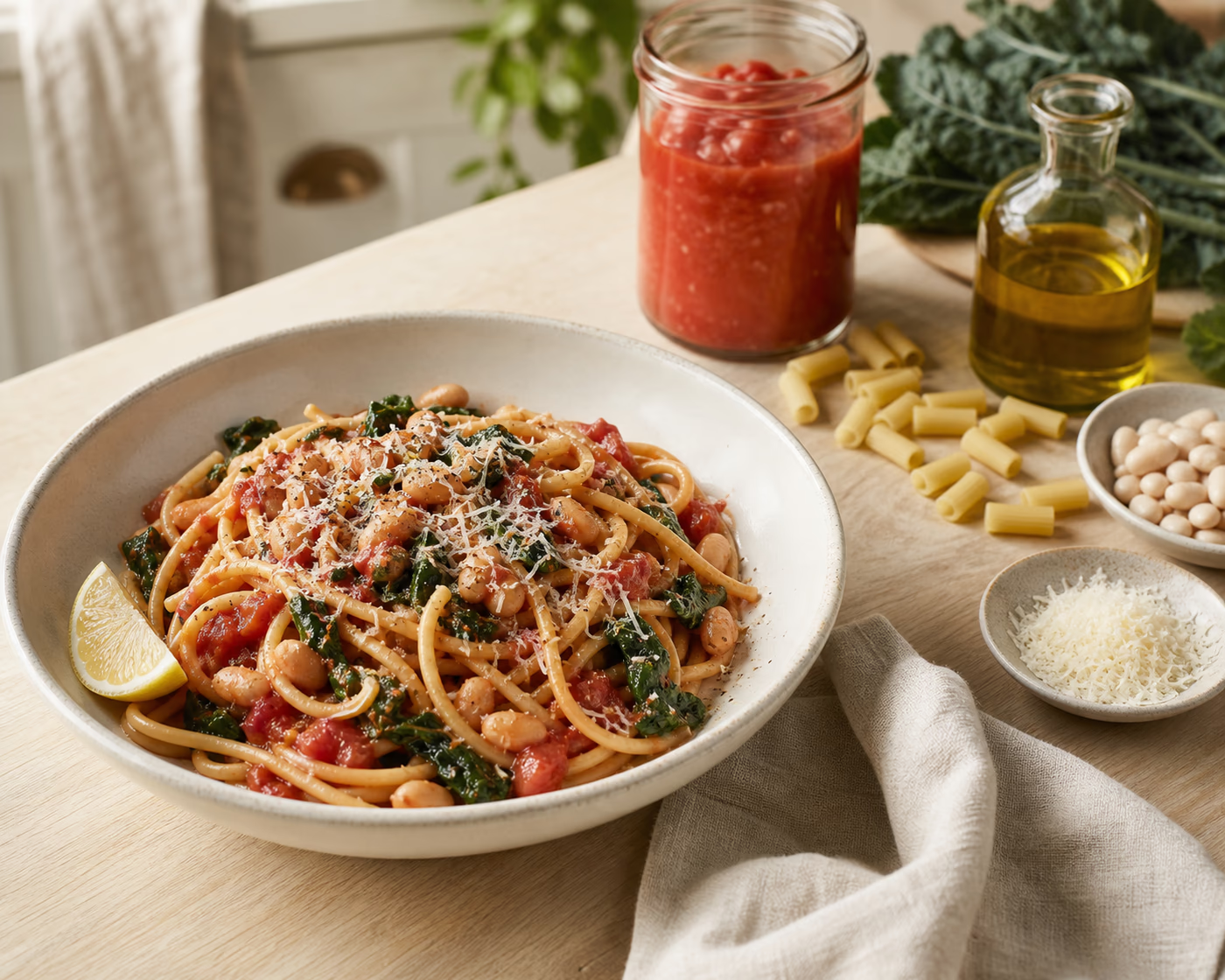
Pantry pasta works when you build it from five parts: pasta, something saucy, one protein helper, one vegetable, and one bright finish. That is enough structure to make dinner quickly without pretending a can of tomatoes is a grand plan.
I use this map when the fridge is quiet but not empty. Pasta gives you the base, the pantry gives you the body, and the finish makes the bowl taste like you meant to make it. Lemon, vinegar, herbs, toasted breadcrumbs, parmesan, chili flakes, or a spoon of yogurt can do more for a tired pasta than another complicated step.
Dinner Map
Build from what you have
Start with the column you already have and move across the row. If you are missing one part, skip it or borrow from another row. The finish matters more than making the combination perfect.
| Base | Saucy Thing | Protein Helper | Vegetable | Finish |
|---|---|---|---|---|
| Penne | Canned tomatoes | Chickpeas | Spinach | Lemon zest and parmesan |
| Spaghetti | Olive oil and garlic | Tuna or white beans | Parsley or arugula | Capers and breadcrumbs |
| Rigatoni | Tomato paste and broth | Lentils | Kale | Red wine vinegar and chili flakes |
| Small pasta | Broth or pasta water | Frozen peas | Chard or spinach | Butter and black pepper |
| Shells | Jarred pesto or herb sauce | White beans | Frozen broccoli | Lemon and toasted nuts or crumbs |
Method
Cook it in one calm rhythm
This is the default rhythm for most pantry pasta dinners. If your sauce is already cooked, shorten the simmer. If your greens are delicate, add them at the very end.
- Boil pasta in salty water and set a timer for one minute less than the package says.
- Warm olive oil in a wide skillet, then cook garlic, onion, tomato paste, or spices until they smell good but are not scorched.
- Add canned tomatoes, broth, beans, tuna, lentils, or another pantry helper and let it simmer while the pasta cooks.
- Move the pasta into the skillet with a splash of pasta water and toss until the sauce looks glossy.
- Add tender greens just long enough to wilt. Add sturdy greens earlier so they have time to soften.
- Finish with acid, herbs, cheese, crumbs, chili crisp, or black pepper. Taste before adding more salt.
Troubleshooting
Fix the bowl before you give up on it
Pantry pasta usually fails in small ways. It is dry, flat, oily, or too salty. Pause before adding a random handful of cheese; the missing piece is often easier than that.
| If the pasta is… | Add this | Why it works |
|---|---|---|
| Dry | Pasta water, broth, or a spoon of sauce | Loosens the starch so the sauce can coat the noodles. |
| Flat | Lemon, vinegar, capers, pickles, or hot sauce | Acid wakes up beans, canned tomatoes, and oil-based sauces. |
| Too sharp | Olive oil, butter, yogurt, or grated cheese | Fat rounds out vinegar, lemon, and tomato paste. |
| Too salty | More pasta, beans, greens, or unsalted tomatoes | Dilutes the salt without making the bowl watery. |
| Soft or heavy | Fresh herbs, crunchy crumbs, or a crisp side | Adds contrast when the pasta has lost its edge. |
Combinations
Five pantry pastas that do not feel like repeats
Tomato Chickpea Pasta
Canned tomatoes, chickpeas, spinach, lemon zest, and parmesan. It is sturdy, bright, and good for lunch the next day if it was cooled and refrigerated promptly.
Tuna Breadcrumb Spaghetti
Olive oil, tuna, capers, parsley, and toasted breadcrumbs. It tastes like more work than it is.
Lentil Tomato Rigatoni
Tomato paste, cooked lentils, kale, and red wine vinegar. Use a little pasta water to make it saucy.
Pea and Pepper Pasta
Small pasta, frozen peas, butter, black pepper, and a little grated cheese. Quiet, fast, and comforting.
White Bean Pesto Shells
Short pasta, white beans, frozen broccoli, pesto, and lemon. Use pasta water to loosen the pesto so it coats instead of clumping.
Choose The Right Tomato
Canned tomato pasta is not the only tomato pasta
Use this map when dinner starts with shelf-stable ingredients. If you have fresh tomatoes waiting on the counter, use the more specific fresh route instead.
| What you have | Best move | Read next |
|---|---|---|
| Canned tomatoes or tomato paste | Simmer briefly with garlic, oil, beans, or broth. | Stay on this pantry pasta map. |
| Cherry tomatoes | Burst them in a skillet and loosen with pasta water. | Make cherry tomato pasta. |
| Zucchini | Grate it and cook it down until it becomes the sauce. | Make zucchini pasta. |
| Leftover cooked vegetables | Warm gently, add pasta water, then finish with acid or sauce. | Use leftover dinner ideas. |
Leftovers
Store pantry pasta like a short-term plan
Pantry pasta is best right after tossing, but leftovers can help tomorrow. Cool leftovers in a shallow container, refrigerate promptly, and use them within 3 to 4 days. Reheat with a splash of water, broth, or sauce so the pasta loosens instead of turning stiff.
If the pasta includes tuna, cooked chicken, sausage, dairy sauce, or rice-shaped pasta mixed with a perishable sauce, follow the shortest safe storage window for that ingredient. When you are not sure how long something sat out, do not turn it into lunch as a dare.
Make It Easier
What to read next
If you want a fixed pasta recipe instead of a formula, make sausage and greens pasta, zucchini pasta, or cherry tomato pasta. If the bowl needs a better finish, use the small sauce guide. If you are building the pantry that makes this kind of dinner possible, start with pantry staples for weeknight dinners or the pantry protein dinner map.
FAQ
Pantry pasta questions
What can I add to pantry pasta?
Add one protein helper, one vegetable, and one finish. Beans, lentils, tuna, peas, spinach, canned tomatoes, tomato paste, herbs, lemon, vinegar, cheese, crumbs, and chili flakes all work.
How do I make canned tomato pasta taste better?
Cook tomato paste or canned tomatoes with olive oil, garlic, and a pinch of salt, then loosen with pasta water. Finish with acid, herbs, cheese, or breadcrumbs so the sauce tastes brighter and less canned.
Can pantry pasta be vegetarian?
Yes. Use beans, lentils, chickpeas, peas, greens, tomato sauce, olive oil, herbs, and cheese if you eat it. For a vegan route, skip cheese or use nutritional yeast and check packaged pasta labels.
How long does pantry pasta last in the fridge?
Most cooked pasta leftovers are best used within 3 to 4 days when cooled and refrigerated promptly. Reheat with moisture and use the shortest safe window for any meat, seafood, dairy sauce, or other perishable add-in.