
Recipe Notes
Why this works
Grated zucchini cooks down into the sauce instead of sitting in watery chunks, pasta water loosens the skillet into something glossy, and lemon plus herbs keep the bowl bright.
Zucchini
Small to medium zucchini are easiest. Large zucchini can be watery and seedy, so squeeze those lightly or scrape out the soft center before grating.
Pasta
Spaghetti, linguine, and bucatini make the grated zucchini sauce feel most cohesive, but short pasta works if that is what you have.
Garlic
Add garlic after the zucchini has cooked down so it smells sweet instead of burning while the vegetable releases water.
Lemon, herbs, and cheese
Lemon and herbs keep the pasta fresh. Parmesan or Pecorino helps the sauce cling; choose a label-appropriate cheese if vegetarian rennet or halal suitability matters.
Start Here
The pasta that turns zucchini into the sauce
This zucchini pasta recipe is for the week when zucchini is no longer a cute market find and has become a small assignment. The good news is that it can become dinner without cream, frying, or a pile of extra steps.
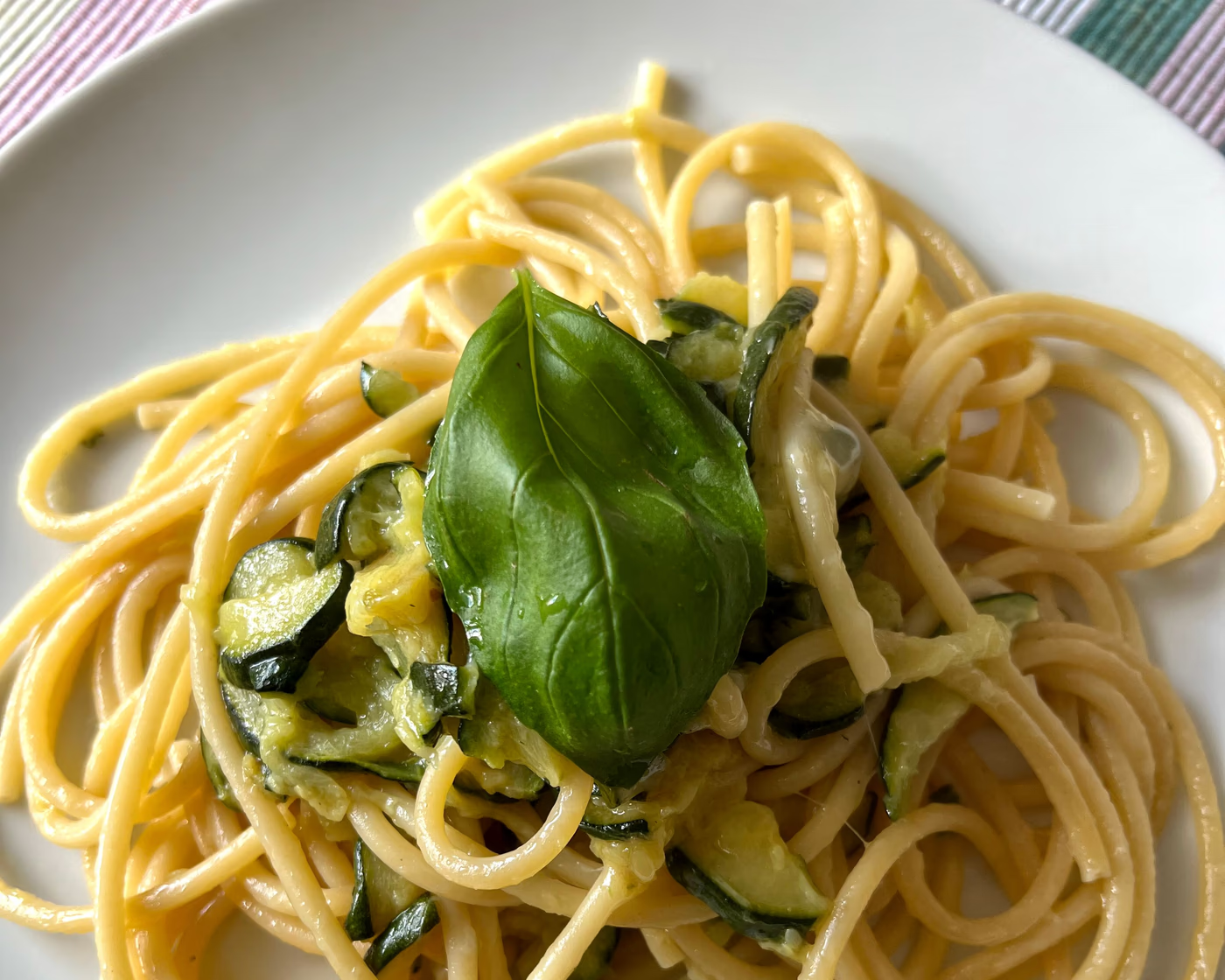
The move is simple: grate the zucchini, cook it in a wide skillet until the water cooks off, then toss in pasta with enough starchy pasta water to make the sauce glossy. The zucchini becomes soft and saucy instead of sitting in the bowl as bland green coins.
Quick clarification: this is regular pasta with zucchini sauce, not zucchini noodles. It is also not trying to be Spaghetti alla Nerano, the fried-zucchini dish. This is the weeknight version for a box of pasta, a few zucchini, garlic, lemon, herbs, and maybe Parmesan.
Grate zucchini and bring pasta water to a boil.
Turn grated zucchini from wet pile to soft sauce.
Add pasta, pasta water, lemon, and cheese.
Fold in herbs and adjust while warm.
Ingredients
What you need
The ingredient list is short because zucchini is doing the main work. You need pasta, zucchini, olive oil, garlic, lemon, herbs, and pasta water. Parmesan or Pecorino makes the sauce cling more easily, but the bowl still works with extra olive oil and a little more pasta water if cheese is not for your table.
Zucchini
Small to medium is easiest. Big zucchini can be watery and seedy. If yours looks oversized, scrape out any soft center or squeeze the grated zucchini lightly.
Pasta
Long pasta feels right here. Spaghetti, linguine, and bucatini wrap around the grated zucchini sauce. Short pasta works, but the sauce will settle more.
Garlic
Add it late. Garlic should perfume the sauce, not spend fifteen minutes supervising wet zucchini and turning bitter.
Lemon and herbs
This is the lift. Lemon zest, lemon juice, basil, mint, or parsley keep the pasta bright instead of heavy.
For the pasta
- 12 ounces spaghetti, linguine, bucatini, or other pasta
- 1 1/2 pounds zucchini, about 3 medium, grated on the large holes of a box grater
- 3 tablespoons olive oil, divided
- 1 teaspoon fine salt, divided, plus more for pasta water and to taste
- 1/4 teaspoon black pepper, plus more to taste
- 1/4 teaspoon red pepper flakes, optional
- 3 garlic cloves, minced
- 1 cup reserved pasta water, plus more as needed
- 1/2 cup finely grated Parmesan or Pecorino, optional but recommended, plus more for serving
- 1 lemon, zested and juiced
- 1/2 cup chopped basil, mint, parsley, or a mix
- 1 tablespoon unsalted butter or extra olive oil, optional
Method
How to make zucchini pasta
- Grate the zucchini. Bring a large pot of salted water to a boil. Grate the zucchini on the large holes of a box grater. If the zucchini is very large and wet, squeeze it lightly over the sink, but do not wring it dry.
- Cook the pasta. Boil the pasta until 1 minute shy of al dente. Reserve at least 1 cup of pasta water before draining. Future you needs that water.
- Start the zucchini sauce. While the pasta cooks, heat 2 tablespoons olive oil in a wide 12-inch skillet over medium-high heat. Add the grated zucchini, 3/4 teaspoon salt, black pepper, and red pepper flakes if using.
- Cook off the water. Cook for 10 to 14 minutes, stirring every few minutes, until the liquid mostly cooks off and the zucchini looks soft, thick, and jammy. It should no longer look like a wet pile.
- Add garlic late. Stir in the remaining 1 tablespoon olive oil and the garlic. Cook for 30 to 60 seconds, just until fragrant.
- Toss the pasta. Add the drained pasta and 1/2 cup reserved pasta water to the skillet. Toss over medium heat until the pasta is coated.
- Make it glossy. Turn the heat to low. Add the Parmesan or Pecorino if using, lemon zest, 1 tablespoon lemon juice, and the butter or extra olive oil if using. Toss until glossy, adding more pasta water a splash at a time if the sauce tightens.
- Finish bright. Turn off the heat and fold in the herbs. Taste and adjust with the remaining 1/4 teaspoon salt, more lemon juice, black pepper, red pepper flakes, herbs, or cheese. Serve warm.
Why It Works
The zucchini has to stop being watery first
Zucchini pasta gets disappointing when the pasta goes into the pan before the vegetable has cooked down. Zucchini holds a lot of water. If you rush it, the sauce tastes thin and the garlic disappears into a mild green puddle.
Grating helps because the zucchini breaks down quickly and becomes part of the sauce. A wide skillet helps because moisture can evaporate instead of collecting under a crowded heap. Once the zucchini looks soft and concentrated, pasta water can do its job: loosen the sauce and help it cling to the noodles.
The lemon and herbs go in at the end because they are there for freshness. Cook them hard and the bowl gets quieter. Add them late and the pasta tastes like summer dinner instead of leftover vegetable water.
Texture
Do you have to squeeze zucchini for pasta?
You usually do not have to squeeze zucchini for pasta. Cook grated zucchini in a wide skillet until the liquid evaporates and the vegetable turns soft and jammy. Squeeze only if the zucchini is very large, seedy, or watery, or if you want the skillet stage to move faster.
| Situation | What To Do | Why |
|---|---|---|
| Small or medium zucchini | Do not squeeze. | It cooks down quickly and keeps enough moisture to become sauce. |
| Huge garden zucchini | Squeeze lightly or scrape out the soft center. | Oversized zucchini can flood the skillet and taste dull. |
| You want deeper browning | Squeeze lightly before cooking. | Less water means the pan can concentrate flavor faster. |
| The pan looks watery | Keep cooking before adding pasta. | The sauce is not ready until the liquid mostly cooks off. |
Fixes
If the pasta feels watery, dry, or clumpy
Zucchini pasta is very fixable if you adjust the right thing. The mistake is adding everything at once because the skillet feels stressful. Pause, look at the sauce, then choose the missing move.
| Problem | Why It Happened | What To Do |
|---|---|---|
| Watery sauce | The zucchini did not cook down long enough. | Keep the pasta out, raise the heat slightly, and cook until the zucchini looks thick. |
| Dry pasta | Not enough pasta water or the heat was too high. | Add pasta water a splash at a time and toss over low heat. |
| Clumpy cheese | The skillet was too hot when cheese went in. | Lower the heat and add cheese gradually with pasta water. |
| Bitter garlic | Garlic cooked too long. | Add garlic only after the zucchini has cooked down. |
| Flat flavor | The bowl needs acid, salt, or fresh herbs. | Add lemon juice, salt, black pepper, basil, mint, or parsley at the end. |
Swaps
What you can change
This is flexible, but a few swaps change the structure. Keep the grated-zucchini sauce, the pasta water, and the bright finish. Everything else can move a little.
| Swap | Works? | What to know |
|---|---|---|
| Yellow summer squash | Yes | Use it for some or all of the zucchini. It cooks similarly when grated. |
| Short pasta | Yes | Use rigatoni, fusilli, or shells. Expect the grated sauce to settle more than it does with long pasta. |
| No cheese | Yes | Use extra olive oil, lemon, herbs, black pepper, and a little more pasta water. Toasted breadcrumbs help if you want texture. |
| Cream | Optional | Add 2 to 3 tablespoons near the end if you want a richer sauce. It is not required. |
| Cherry tomatoes | Timing change | Add a handful near the end. They make the skillet juicier and softer. |
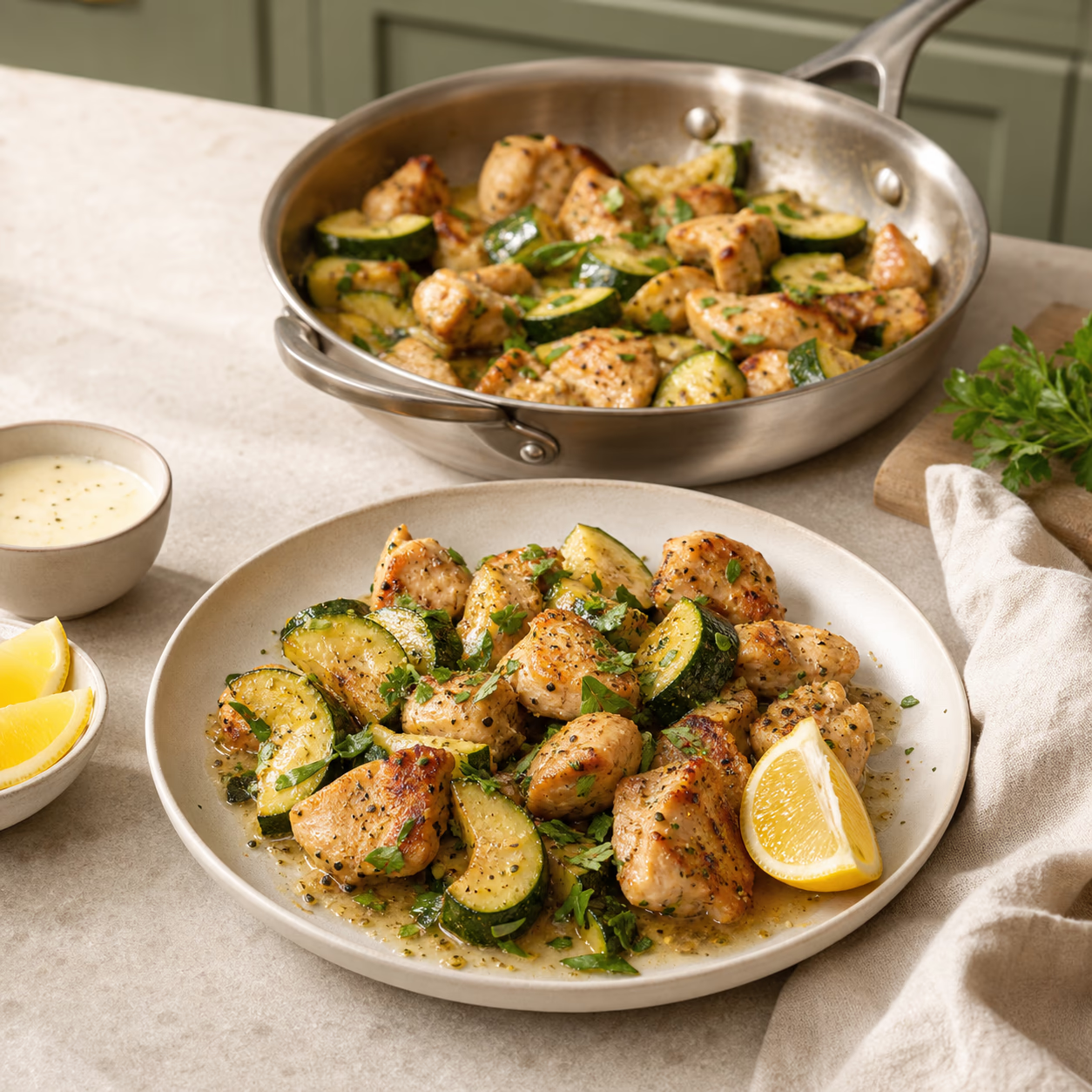
| Chicken or sausage | Separate protein route | Use cooked protein or follow protein-specific safety guidance. Try chicken zucchini skillet or sausage and greens pasta if you want meat built in. |
| Zucchini noodles | Different recipe | This post uses regular pasta. Zoodles need different cooking and release water differently. |
Serve It
What goes with zucchini pasta
This pasta is already dinner for me, especially with cheese and herbs. If you want a fuller plate, add something crisp, fresh, or protein-forward rather than another heavy side.
- For protein: serve with grilled chicken, chickpeas, white beans, tuna, or a fried egg.
- For crunch: top with toasted breadcrumbs, toasted nuts, or a small handful of crisp salad greens.
- For vegetables: add a simple cucumber salad, tomato salad, or sauteed zucchini only if the zucchini situation is truly ambitious.
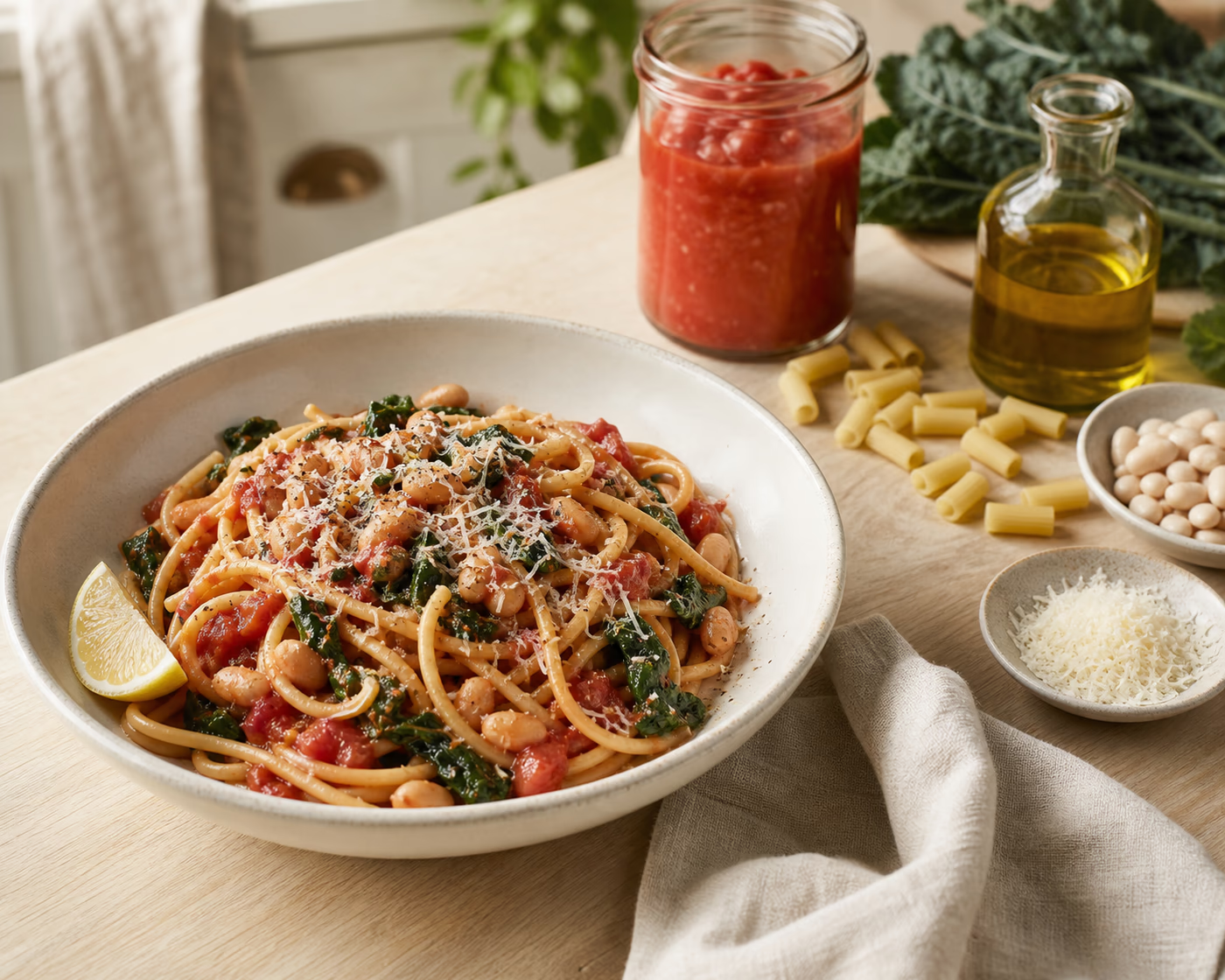
- For a different pasta mood: use cherry tomato pasta when the tomatoes need to become dinner, or the pantry pasta map when you want beans, greens, or another pantry route.
If the finished bowl tastes almost right but not quite finished, use the small sauce guide. A spoon of lemon yogurt, herby oil, or chili crisp can change the whole plate.
Storage
How to store and reheat zucchini pasta
Zucchini pasta is best right after tossing, while the sauce is loose and glossy. Leftovers are still useful, but the pasta will keep absorbing sauce in the refrigerator.
Wash zucchini, lemon, and herbs before cutting. FDA produce guidance recommends washing produce under running water and keeping produce separate from raw meat, poultry, seafood, and eggs.
Store leftovers in a covered container in the refrigerator and use within 3 to 4 days. FoodSafety.gov’s cold storage chart is the conservative reference I use for cooked leftovers.
For the best texture, reheat in a skillet with a splash of water over medium-low heat, tossing until the sauce loosens. The microwave works, but add a spoonful of water first and finish with lemon or herbs after warming.
Make It Easier
What to read next
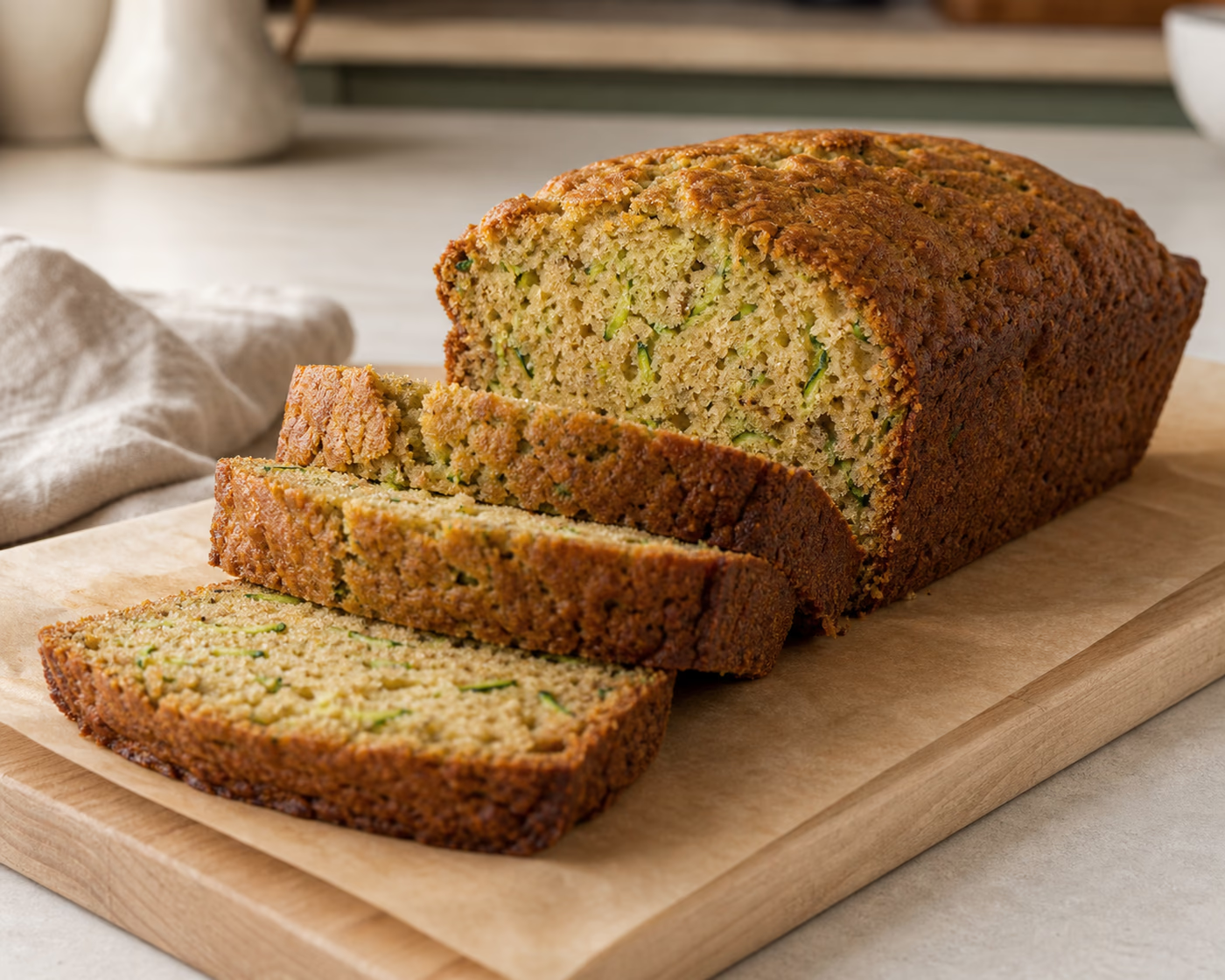
If you want the side-dish version of this vegetable, make sauteed zucchini. If you want chicken with the same summer vegetable problem solved, use chicken zucchini skillet. If the crisper drawer is still generous after dinner, bake zucchini bread.
For more dinner formulas, keep the pantry pasta map, grain bowl recipes, and lazy dinner ideas nearby. For leftovers and reheating habits, read safe meal prep for home cooks.
FAQ
Zucchini pasta questions
Is zucchini pasta the same as zucchini noodles?
No. This zucchini pasta recipe uses regular pasta with grated zucchini cooked into the sauce. Zucchini noodles, or zoodles, are a different low-carb style of recipe and need different cooking cues.
Can I make zucchini pasta without cream?
Yes. You do not need cream for zucchini pasta. Cooked zucchini, olive oil, starchy pasta water, lemon, herbs, and optional Parmesan or Pecorino make a light sauce without cream.
What pasta shape works best?
Spaghetti, linguine, and bucatini work especially well because the grated zucchini sauce clings to the long strands. Short pasta such as fusilli, rigatoni, or shells also works, but the sauce may settle more in the bowl.
Can I add chicken?
Yes, but cooked chicken changes the storage and reheating notes. Use safely cooked chicken, reheat leftovers carefully, and try chicken zucchini skillet if you want a chicken-and-zucchini dinner built from the start.
Can I use yellow squash?
Yes. Yellow summer squash can replace some or all of the zucchini. Grate it the same way and use the same skillet cues.
How long do leftovers last?
Use refrigerated zucchini pasta leftovers within 3 to 4 days. Reheat with a splash of water because the pasta keeps absorbing sauce as it sits.
Kitchen Note
About nutrition, labels, and timing
Nutrition information is not listed because pasta shape, cheese amount, oil, butter, zucchini size, and serving size can change the numbers. If you need exact nutrition details, calculate them with the ingredients and amounts you use.
The Vegetarian badge assumes your cheese, if used, fits your vegetarian standard. Some Parmesan and Pecorino are made with animal rennet, so choose a vegetarian-rennet or microbial-rennet option if that matters. For a dairy-free version, skip cheese and butter and finish with extra olive oil, lemon, herbs, and toasted breadcrumbs if you want texture.
Use the timing as a guide. Zucchini moisture, pan width, stove heat, and pasta shape can all shift the final few minutes. Trust the skillet cue: the zucchini should look concentrated before the pasta joins it.