
Recipe Notes
Why this works
Aromatics build the base, canned tomatoes and vegetable broth make the soup pantry-friendly, beans give the bowl dinner weight, quick vegetables go in near the end, and lemon or vinegar keeps the final pot bright.
Aromatics
Onion, carrots, celery, and garlic make the soup taste cooked instead of just boiled.
Canned tomatoes
Diced tomatoes give the broth body and a little acidity. Fire-roasted tomatoes add deeper flavor if you already have them.
Beans
White beans or chickpeas make the soup more filling without turning it into a pasta soup.
Quick vegetables
Frozen green beans, frozen mixed vegetables, zucchini, cabbage, kale, or spinach can go in late so they stay useful and do not vanish.
Start Here
The pot that makes the fridge feel useful again
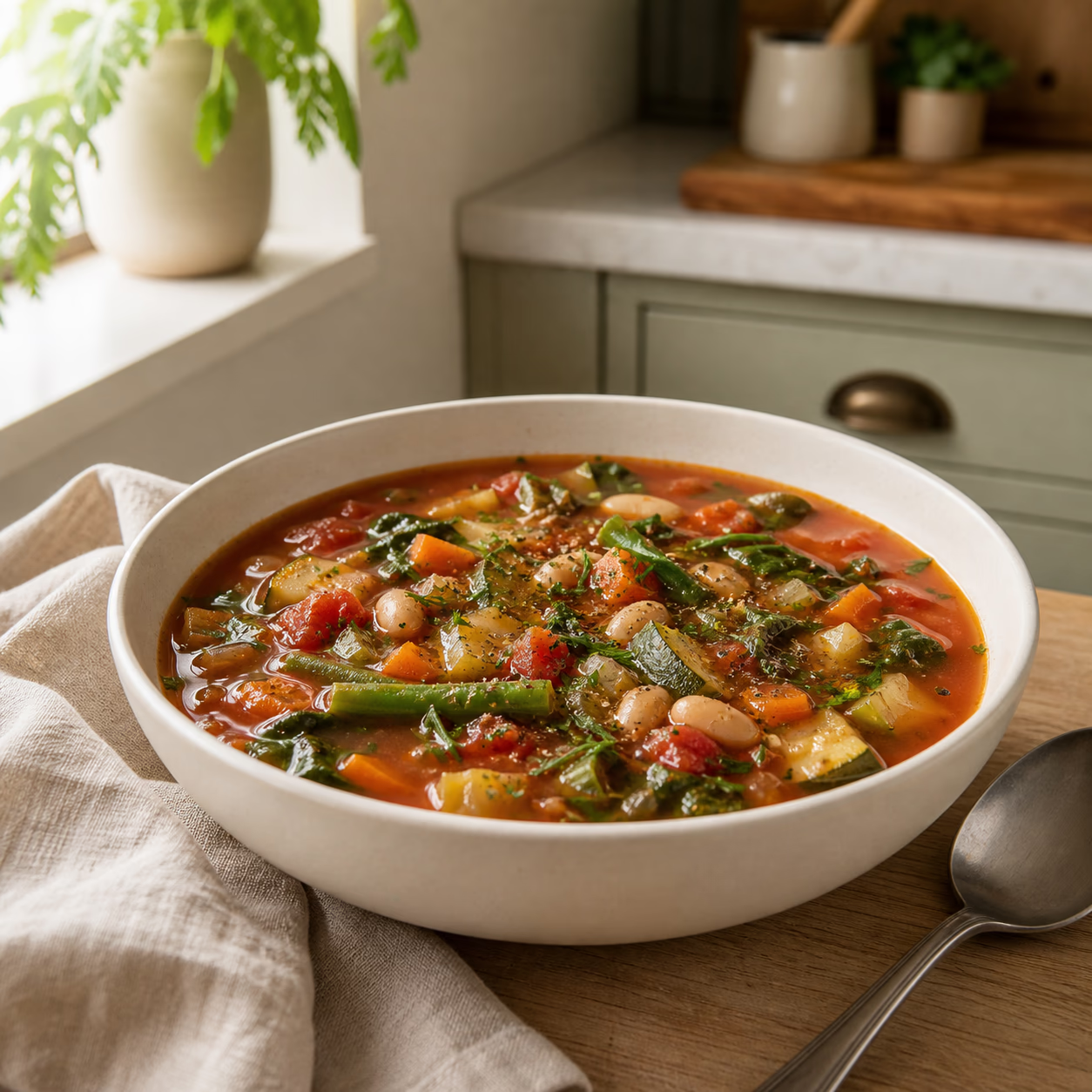
Easy vegetable soup is what I make when the fridge has a little of everything and none of it looks like dinner by itself. A carrot, a rib of celery, half a bag of frozen green beans, one can of tomatoes, a can of beans, and suddenly the kitchen starts making sense again.
This version is built for weeknight leftovers, not a dreamy market basket. It starts with the reliable soup base of onion, carrots, celery, garlic, tomato paste, canned tomatoes, and broth. Then beans make it feel like a meal, quick vegetables go in near the end, and lemon or vinegar wakes up the whole pot.
My small opinion: vegetable soup needs a bright finish. Without lemon, vinegar, herbs, or good pepper, it can taste like vegetables politely sitting in hot water. We are not doing that to ourselves.
Cook onion, carrots, celery, salt, and garlic.
Stir in tomato paste and dried herbs.
Add tomatoes, broth, and beans.
Add quick vegetables, greens, and lemon.
Ingredients
What you need
The core is simple: aromatics, tomatoes, broth, beans, vegetables, and a bright finish. The exact vegetable mix can flex, but keep the method steady. Harder vegetables need more time; tender greens and frozen vegetables do not.
Aromatics
Do not skip the first simmer before the simmer. Onion, carrots, celery, and garlic make the broth taste like dinner instead of emergency soup.
Canned tomatoes
Use what is on the shelf. Regular diced tomatoes work. Fire-roasted tomatoes make the pot taste a little deeper.
Beans
They are the pantry anchor. White beans or chickpeas add body and protein without making the soup heavy.
Quick vegetables
Add them late. Frozen green beans, mixed vegetables, zucchini, cabbage, kale, and spinach only need enough time to become tender.
Method
How to make easy vegetable soup
- Start with the base. Warm the olive oil in a large soup pot or Dutch oven over medium heat. Add the onion, carrots, celery, and 1/2 teaspoon salt. Cook for 6 to 8 minutes, stirring often, until the vegetables soften and smell sweet.
- Build the flavor. Add the garlic, tomato paste, Italian seasoning, thyme, red pepper flakes if using, and bay leaf if using. Stir for 1 minute, until the tomato paste darkens slightly and the pot smells savory.
- Add the soup body. Add the diced tomatoes, broth, beans, and remaining 1/2 teaspoon salt. Scrape the bottom of the pot, then bring to a boil.
- Simmer. Reduce the heat to a steady simmer and cook, partially covered, for 15 minutes so the broth tastes like the vegetables and not just the carton it came from.
- Add quick vegetables. Stir in the frozen green beans, frozen mixed vegetables, zucchini, cabbage, kale, or whatever quick vegetable you chose. Simmer for 8 to 12 minutes, until tender but not dull.
- Add tender greens. If using spinach or tender greens, stir them in and cook for 1 to 2 minutes, just until wilted.
- Finish bright. Turn off the heat. Remove the bay leaf. Add 1 tablespoon lemon juice or vinegar, black pepper, and herbs if using. Taste, then adjust with more salt, acid, pepper, or a small drizzle of olive oil.
Why It Works
The soup has layers, even though it is simple
The first layer is the vegetable base. When onion, carrots, and celery get a few quiet minutes in olive oil and salt, they soften and sweeten. That is the difference between a soup that tastes cooked and a soup that tastes assembled.
The second layer is pantry depth: tomato paste, dried herbs, canned tomatoes, and broth. Tomato paste is doing a lot of calm work here. It makes the broth taste fuller without needing meat, cheese, or a long afternoon.
The last layer is the finish. Lemon juice or vinegar goes in after simmering because brightness fades when it cooks too long. Taste before you add more salt. A splash of acid may be the thing the pot was asking for all along.
Flexible Vegetables
What vegetables work best
Vegetable soup is flexible, but timing matters. Add sturdy vegetables early and tender vegetables late. If everything goes in at once, the carrots may be firm while the zucchini has already given up on itself.
| Vegetable | When To Add | What To Watch |
|---|---|---|
| Carrots and celery | At the beginning | Dice small so they soften in the base. |
| Potato or sweet potato | With the tomatoes and broth | Dice 1/2-inch and simmer until tender. Texture softens after freezing. |
| Frozen green beans or mixed vegetables | Last 8 to 10 minutes | They only need to become hot and tender. |
| Zucchini or yellow squash | Last 8 to 10 minutes | Do not boil hard or it turns mushy. |
| Thin cabbage | Last 10 to 12 minutes | Good when you want more body without starch. |
| Spinach or tender greens | Last 1 to 2 minutes | Stir in at the end so they stay green. |
| Kale or collards | Last 8 to 12 minutes | Chop small and remove tough stems. |
Make It Dinner
How to make vegetable soup more filling
The beans in this recipe help the soup feel like dinner, but you can take it further depending on the night. I like to keep the pot itself simple, then change the bowl when I serve it. That keeps leftovers more useful.
- For a bread night: serve with toast, garlic bread, crackers, or a grilled cheese sandwich.
- For a grain bowl feeling: spoon the soup over cooked rice, farro, barley, couscous, or small pasta.
- For extra protein: add another can of beans, chickpeas, or cooked lentils.
- For richness: finish each bowl with olive oil, pesto, chili crisp, or a spoon of plain yogurt if you are not keeping it vegan.
- For crunch: add croutons, toasted crumbs, toasted seeds, or a few crushed crackers.
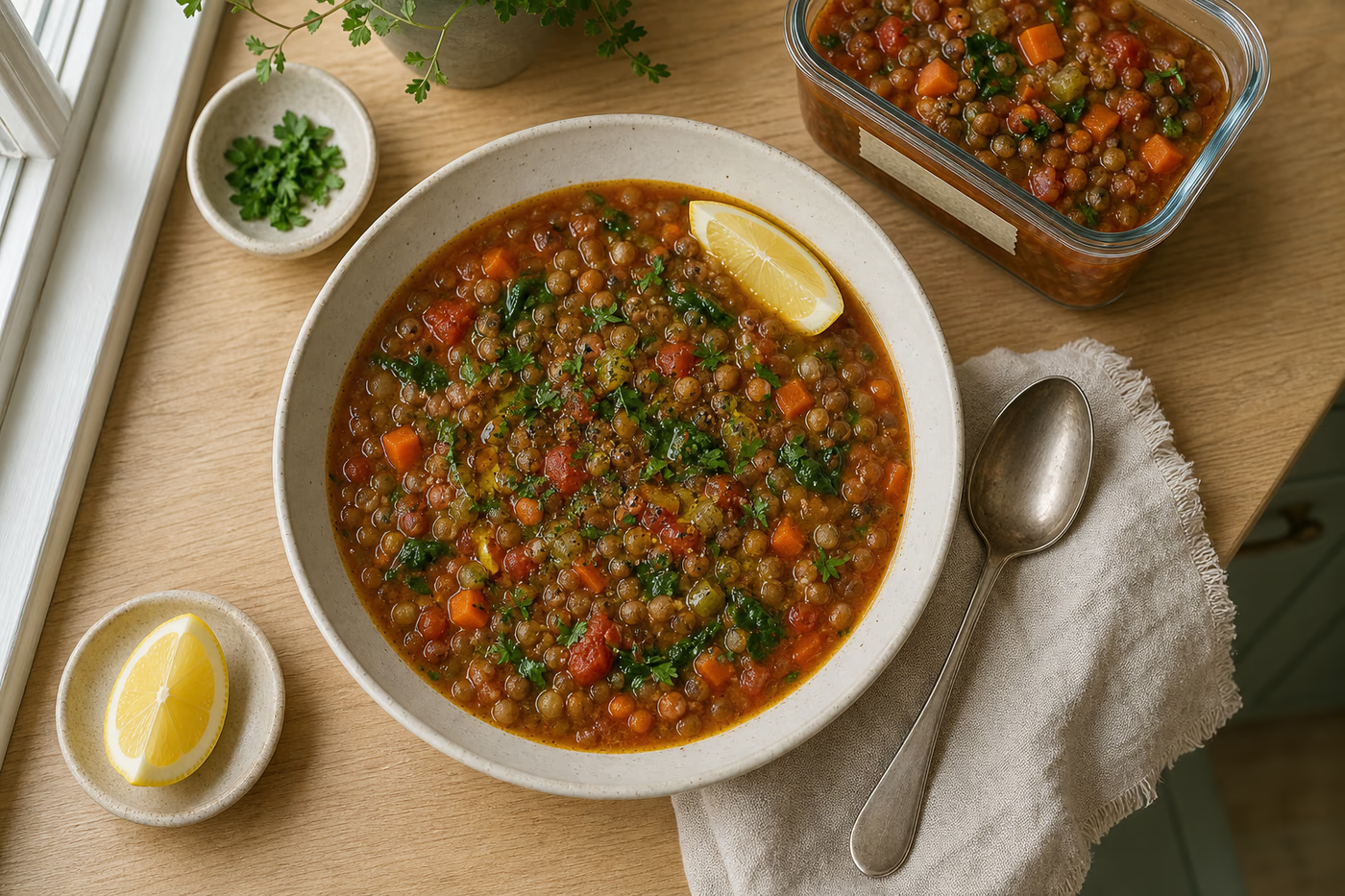
If you want a thicker bean-and-soup dinner, use freezer-friendly pantry lentil soup next. If you want to build more dinners from the same shelf, read pantry staples that actually make dinner easier.
Fix The Pot
If your vegetable soup tastes bland
Bland vegetable soup is usually missing one of four things: salt, acid, fat, or time. Before you toss in more random seasonings, adjust one thing at a time and taste again.
| What You Notice | Likely Cause | What To Do |
|---|---|---|
| Flat | No bright finish | Add lemon juice or vinegar, then taste again. |
| Thin | Too much broth for the vegetables | Simmer uncovered for 5 to 10 minutes or mash some beans against the side of the pot. |
| Salty | Broth or canned tomatoes brought more sodium than expected | Add water, unsalted broth, beans, or more vegetables. Finish with lemon carefully. |
| Mushy | Quick vegetables cooked too long | Next time, add frozen vegetables, zucchini, and greens near the end. |
| Not filling | Too many vegetables, not enough anchor | Add beans, lentils, cooked grains, toast, or a simple sandwich on the side. |
Swaps
What you can change
This soup is friendly to substitutions, but it still needs a base, body, and finish. Keep those three pieces and the pot will forgive a lot.
| Swap | Works? | What to know |
|---|---|---|
| Crushed tomatoes instead of diced | Yes | The broth will be smoother and more tomato-forward. |
| Water plus bouillon | Yes | Use less added salt until you taste the finished soup. |
| Chickpeas instead of white beans | Yes | They stay firmer and give the soup more bite. |
| Lentils instead of beans | Timing change | Use cooked lentils, or make the dedicated pantry lentil soup instead. |
| Pasta or rice | Add to bowls | Cook separately and add when serving so leftovers do not absorb all the broth. |
| Chicken broth | Yes, not vegan | Fine if it fits your household. Check labels if halal suitability matters. |
| Parmesan rind | Flavorful, not vegan | Use only if dietary labels are not a concern and the cheese fits your household needs. |
Make Ahead
Why this soup is good tomorrow
Vegetable soup often tastes better after a night in the fridge because the broth has time to settle around the beans and vegetables. The little catch is that leftovers can thicken. That is not a flaw. It is tomorrow asking for a splash of water or broth.
If I know I am cooking for leftovers, I keep pasta and rice out of the main pot. They keep drinking liquid in the refrigerator and can make the soup feel heavy. Add them to individual bowls instead.
Storage
How to store, freeze, and reheat vegetable soup
Cool leftovers in shallow containers and refrigerate promptly. FoodSafety.gov’s 4 Steps guidance says perishable foods should be refrigerated within 2 hours, or within 1 hour when the temperature is above 90 F. It also recommends shallow containers so leftovers cool quickly.
Store vegetable soup in a refrigerator at 40 F or below for 3 to 4 days. FoodSafety.gov’s cold storage chart lists soups and stews with vegetable or meat added at 3 to 4 days refrigerated and 2 to 3 months in the freezer for quality.
For reheating, thaw overnight in the refrigerator if frozen, then reheat until hot all the way through. FoodSafety.gov lists leftovers at 165 F, and FDA safe food handling guidance says soups, sauces, and gravies should be brought to a boil when reheating.
Freezer Plan
Turn one pot into a backup dinner
Freeze soup in the portions you actually want later. One giant block of soup is technically organized, but it is not kind to a tired Tuesday. I like two-cup portions for lunches and quart containers for two easy bowls.
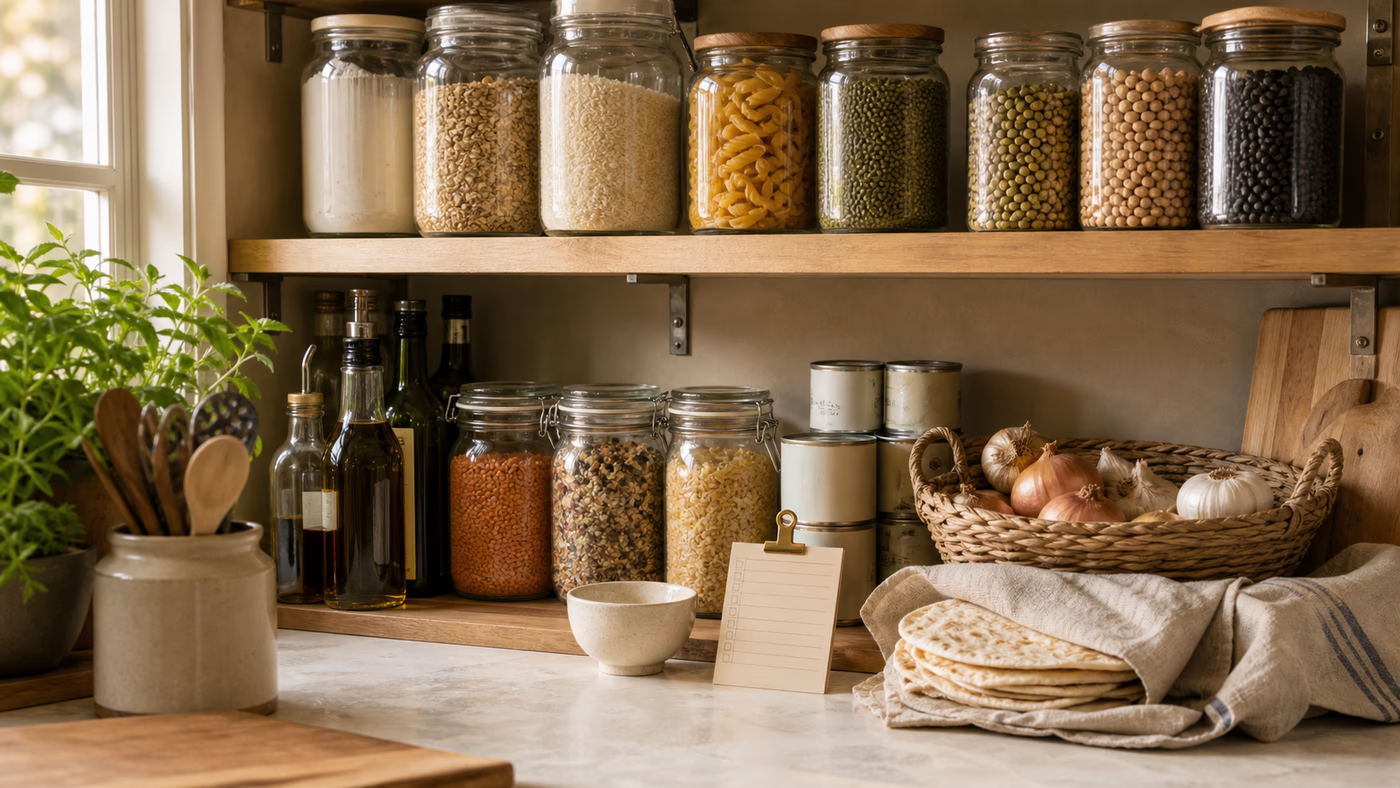
Label the container with the soup name and date. If your freezer already has a small dinner zone, tuck this in with bread, cooked rice, tortillas, or frozen vegetables. That is the tiny system behind the freezer backup box: future dinner should be visible before you lose patience with the freezer.
Make It Easier
What to read next
For a thicker legume soup, make freezer-friendly pantry lentil soup. For a no-recipe way to turn beans, eggs, tofu, and canned fish into dinner, use the pantry protein dinner map.
If this soup is part of a leftovers week, keep the leftover landing zone and safe meal prep for home cooks nearby. If the bowl needs one last nudge, the small sauce guide can help with lemon yogurt, herby oil, chili crisp, and other finishes.
FAQ
Easy vegetable soup questions
What vegetables are best for vegetable soup?
Use a mix of aromatics, sturdy vegetables, and quick vegetables. Onion, carrots, celery, and garlic build the base. Frozen green beans, mixed vegetables, zucchini, cabbage, kale, and spinach are easy add-ins when you time them properly.
Can I use frozen vegetables in vegetable soup?
Yes. Frozen vegetables are useful here. Add them near the end of cooking so they heat through and become tender without losing all their texture.
How do I make vegetable soup taste better?
Start by cooking the onion, carrots, celery, and garlic in oil with salt. Add tomato paste and dried herbs before the liquid. At the end, taste for salt, lemon or vinegar, pepper, herbs, and a little olive oil.
Can I freeze vegetable soup?
Yes. Cool it in shallow containers, label it, and freeze it for practical future meals. For best texture, leave pasta and rice out of the main pot and add them fresh when serving.
How long does vegetable soup last in the fridge?
Use refrigerated vegetable soup within 3 to 4 days. Keep it covered and refrigerated at 40 F or below, and reheat leftovers thoroughly.
Is this vegetable soup vegan and halal?
The required recipe is vegan and halal-suitable because it uses vegetables, beans, olive oil, vegetable broth, and no meat, pork, alcohol, dairy, or animal-derived gelatin. Check packaged broth, bouillon, chili crisp, and toppings if your household needs certification or allergen details.
Kitchen Note
About nutrition, labels, and timing
Nutrition information is not listed because broth, tomato products, bean choice, vegetable mix, oil, toppings, and serving size can change the numbers. If you need exact nutrition details, calculate them with the ingredients you use and your preferred nutrition calculator.
The Vegetarian, Vegan, Freezer-Friendly, Make-Ahead, and Pantry badges apply to the required recipe. If you use chicken broth, Parmesan, yogurt, store-bought pesto, chili crisp, or bouillon, check labels for your household’s dietary needs.
Use the timing as a guide. The size of your dice, the vegetables you choose, the pot width, and your simmer strength can shift the final cook time.