
At a glance
Before you start
- Topic
- Kitchen Systems
- Read time
- 7 minute read
- Updated
- June 27, 2026
Start Here
Muffins need cool air first, then a soft landing
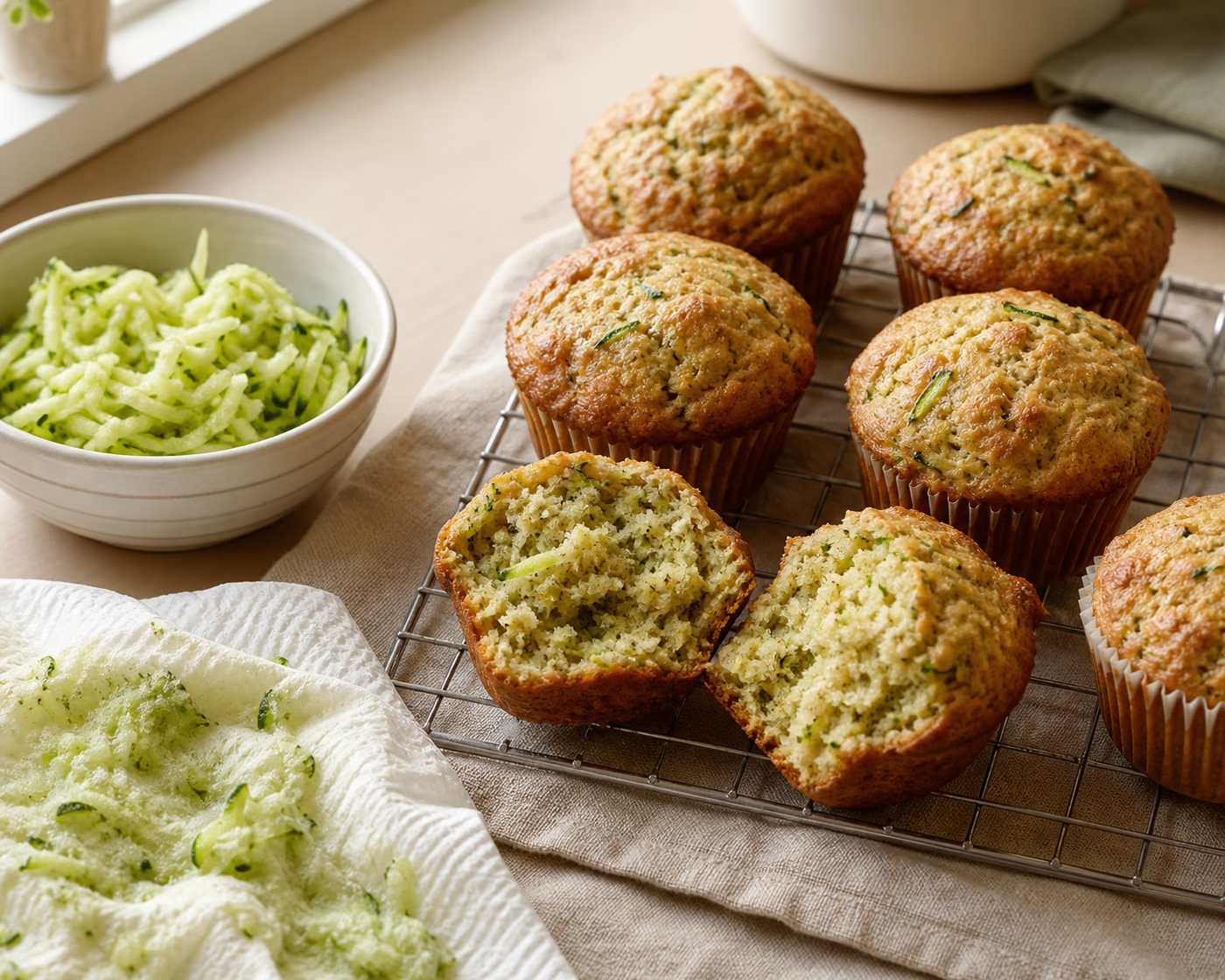
Learning how to store muffins starts before the container comes out. Let them cool all the way first. A warm muffin under a tight lid traps steam, and that is how you get sticky tops when you were hoping for tender crumb.
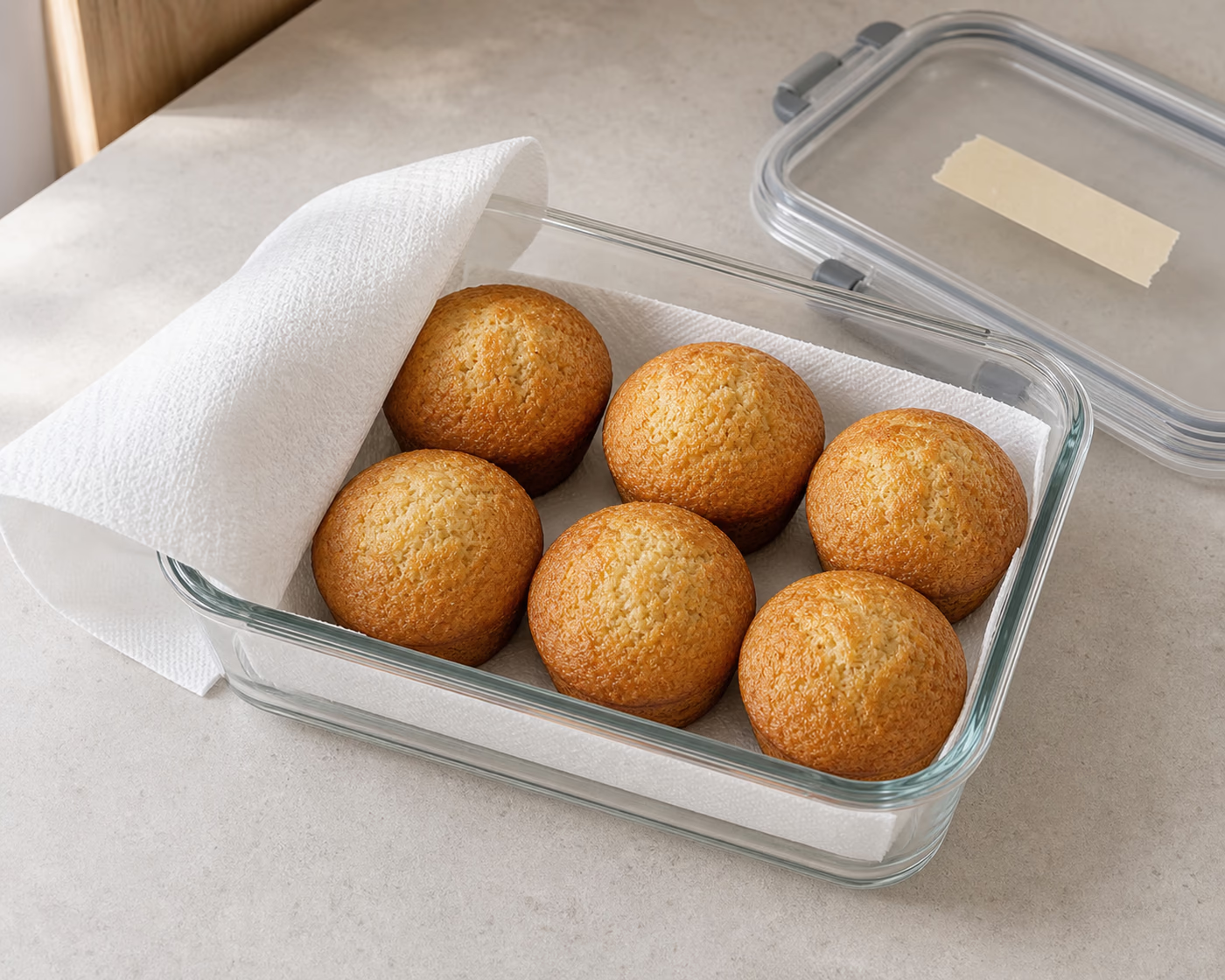
For plain muffins, my default is simple: a paper-towel-lined airtight container at room temperature. The paper towel catches extra moisture, the container keeps air away, and the muffins stay softer than they would sitting loose on a plate.
Quick Answer
What is the best way to store muffins?
The best way to store most plain muffins is to let them cool completely, line a container with paper towel, set the muffins in a single layer if you can, and close the lid. If the muffins are especially moist, fruit-heavy, or tender, add another paper towel over the top before you close the container.
That little paper towel layer is not fancy, but it is useful. Muffins give off moisture as they sit. The towel gives that moisture somewhere to go so the tops do not turn tacky while the crumb stays protected from air.
If the muffins have cream cheese, custard, meat, egg-heavy fillings, or another perishable component, the rule changes. Those belong in the refrigerator, covered, at 40 F or below.
Storage Map
The muffin storage decision map
Use the muffin type to choose the storage. A plain bran muffin, a blueberry muffin, and a cream-cheese-filled muffin do not need the same plan.
| Muffin Situation | Best Move | Why It Helps |
|---|---|---|
| Plain muffins | Cool completely, then store in a paper-towel-lined airtight container at room temperature | Protects the crumb from air while managing moisture. |
| Moist, fruit-heavy, or streusel muffins | Add paper towel below and above the muffins | Extra moisture can make tops sticky faster. |
| Muffins with cream cheese, custard, meat, egg-heavy filling, or dairy-rich topping | Cover and refrigerate at 40 F or below | Perishable ingredients change the storage rule. |
| Muffins for tomorrow morning | Room temperature if plain; refrigerator if perishable | Texture and safety need separate decisions. |
| Muffins for later | Wrap or pack tightly, label, and freeze | Freezing protects texture better than a long counter stay. |
| Moldy, sour-smelling, slimy, unusually wet, or mystery muffins | Discard | Storage cannot fix spoiled or uncertain food. |
Counter
How to store muffins at room temperature
Room temperature is usually best for plain muffins when you plan to eat them soon. The refrigerator can make a plain muffin taste stale faster, while a loose plate lets the crumb dry out. The middle path is the one I use: paper towel, airtight container, cool counter.
- Cool completely. Do not cover muffins while they are warm.
- Line the container. Add a sheet of paper towel to the bottom.
- Add the muffins. Use one layer if possible so the tops do not crush.
- Top moist muffins. Add a second paper towel over fruit-heavy or very tender muffins.
- Close the lid. Keep the container away from sun, stove heat, and steamy spots.
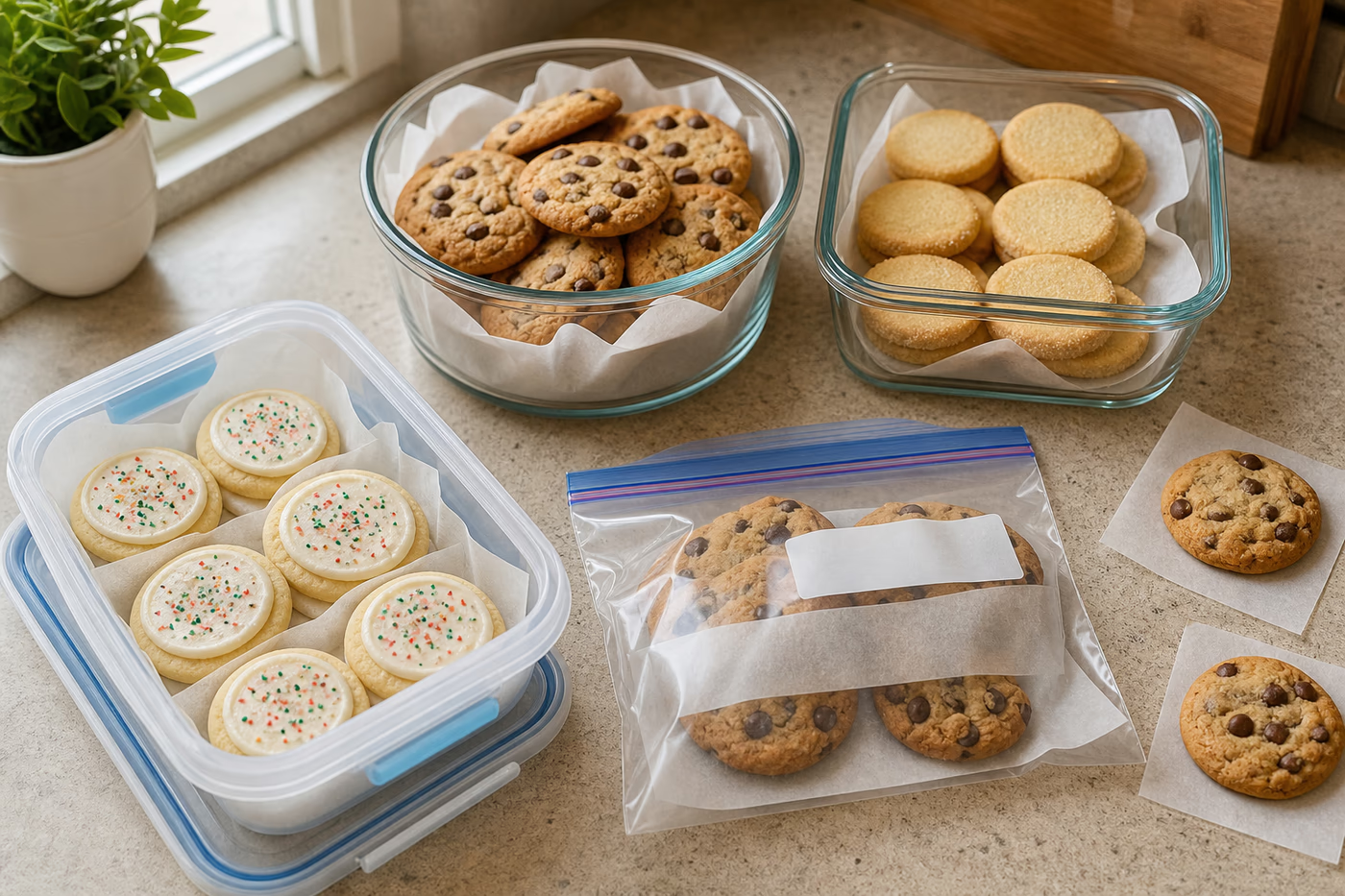
This is the same practical storage thinking as how to store cookies: air dries things out, but trapped moisture can make the wrong texture too.
Fridge
Should muffins be refrigerated?
Do not put plain muffins in the refrigerator by habit. Cold storage can make the crumb feel firm and stale, especially if the muffins are loosely covered. If the muffins are plain and you will eat them soon, the counter is usually kinder.
Use the refrigerator when the muffin has a perishable ingredient that would need chilling on its own: cream cheese filling, custard, meat, egg-heavy filling, dairy-rich topping, or a similar component. Cover those muffins and keep them at 40 F or below.
If perishable muffins sit out for more than 2 hours, or more than 1 hour in temperatures above 90 F, choose caution and discard them. That line is not about muffin texture; it is about the filling.
Freeze
Can you freeze muffins?
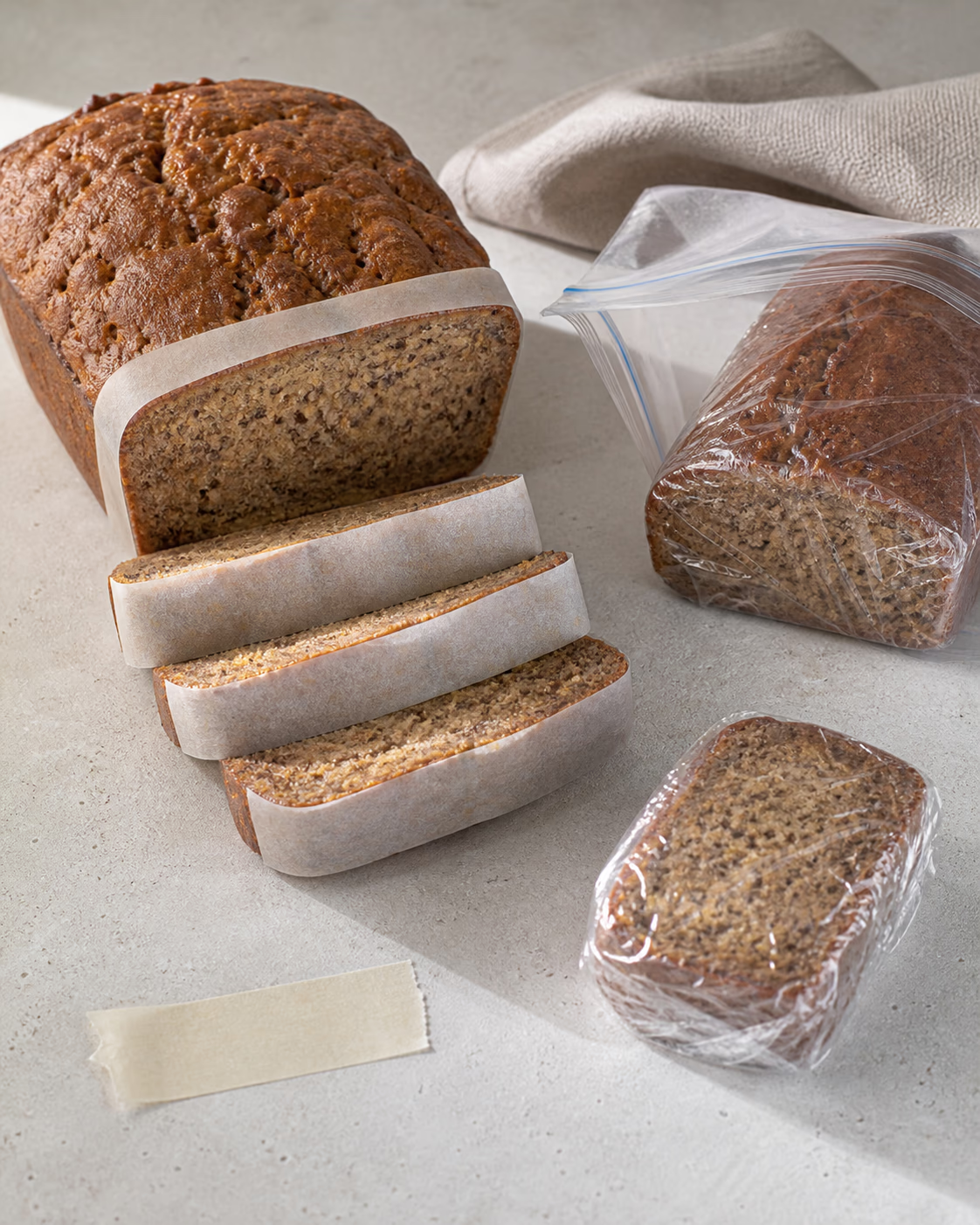
Muffins freeze well when they are cooled first and protected from air. You can freeze them individually for grab-and-go breakfasts, or freeze a small batch together if you know they will be thawed at the same time.
- Cool the muffins completely.
- Wrap individual muffins, or place them in a freezer bag with as much air pressed out as practical.
- Use a freezer-safe container if the muffins are delicate or have crumb topping.
- Label with the name and date.
- Freeze at 0 F.
Food held properly frozen stays safe, but quality still changes over time. Labeling keeps you from playing the freezer guessing game, which is charming exactly zero times when breakfast is already late.
For a broader freezer habit, keep the freezer inventory sheet nearby. It is useful for muffins, frozen cookie dough, soups, and small backup breakfasts.
Thaw
How to thaw frozen muffins
Move a frozen muffin to the counter or refrigerator while it is still wrapped or covered. Once it has thawed, unwrap it. This keeps most of the condensation outside the crumb instead of making the top damp.
If you want a warm muffin, reheat it gently after thawing. A short warm-up can bring back softness, but too much heat dries the edges. Start small. You can always warm it a little more.
For perishable-filled muffins, thaw in the refrigerator and keep them cold until you are ready to eat or warm them safely and serve promptly.
Soggy Tops
How to keep muffins from getting soggy
Soggy muffin tops usually come from trapped steam or trapped moisture. The fix is not complicated, but it does ask you to wait. Let the muffins cool all the way before storing them, then give them paper towel above or below so moisture does not collect on the surface.
Fruit muffins, streusel muffins, and very tender muffins often need the top paper towel more than sturdy plain muffins do. Check them the next day. If the towel is damp, replace it. That is a tiny maintenance step, but it saves the tops from turning gummy.
I do not like storing muffins in a sealed bag on day one unless they are already frozen. A bag hugs the tops, traps moisture, and makes soft muffins easier to smash.
Spoilage
How can you tell if muffins are bad?
Throw away muffins if you see mold, smell anything sour or unpleasant, notice slime or unusual wetness, or do not know how long they sat out. Be especially cautious with muffins that contain cream cheese, custard, meat, egg-heavy fillings, or other perishable ingredients.
A dry muffin is a quality problem. A moldy or mystery muffin is not a rescue project. Those go.
Avoid
Muffin storage mistakes that ruin the texture
Most muffin storage problems come from steam, air, cold, or the wrong filling rule. These are the habits worth skipping.
- Covering warm muffins: trapped steam makes tops sticky.
- Leaving muffins uncovered: air dries the crumb and edges.
- Skipping the paper towel: moisture collects inside the container.
- Refrigerating plain muffins by default: the fridge can stale the crumb.
- Ignoring perishable fillings: cream cheese, custard, meat, and egg-heavy fillings need the refrigerator.
- Freezing loosely: freezer air gives muffins dry edges and stale flavor.
- Stacking soft muffins: tender tops flatten and stick together.
The calm version: cool them, line the container, let the filling decide the fridge, and freeze what you will not eat soon.
FAQ
Muffin storage questions
Should muffins cool before storing?
Yes. Let muffins cool completely before covering them. Warm muffins release steam, and steam trapped under a lid makes the tops sticky.
Can muffins sit out overnight?
Plain muffins can sit tightly covered at room temperature overnight. Muffins with cream cheese, custard, meat, egg-heavy fillings, or other perishable components should be refrigerated.
Do blueberry muffins need the fridge?
Plain blueberry muffins usually do not need the fridge for short-term storage. Because fruit adds moisture, store them with paper towel and check them sooner. Refrigerate only if the recipe has a perishable filling or topping.
Can I store muffins in a zip-top bag?
You can, but it is not my favorite for fresh muffins because the bag can trap moisture against the tops and flatten tender muffins. A rigid airtight container lined with paper towel is usually better.
Should I freeze muffins with paper liners?
Yes, paper liners can stay on for freezing. Cool the muffins first, then wrap or pack them so freezer air does not dry them out.
Can I refresh a dry muffin?
You can warm a plain dry muffin briefly to soften it a little, but you cannot fully undo staling. Warm one muffin first, not the whole batch, so you do not dry out the rest.
Baked-Good Storage
Keep the texture you baked for
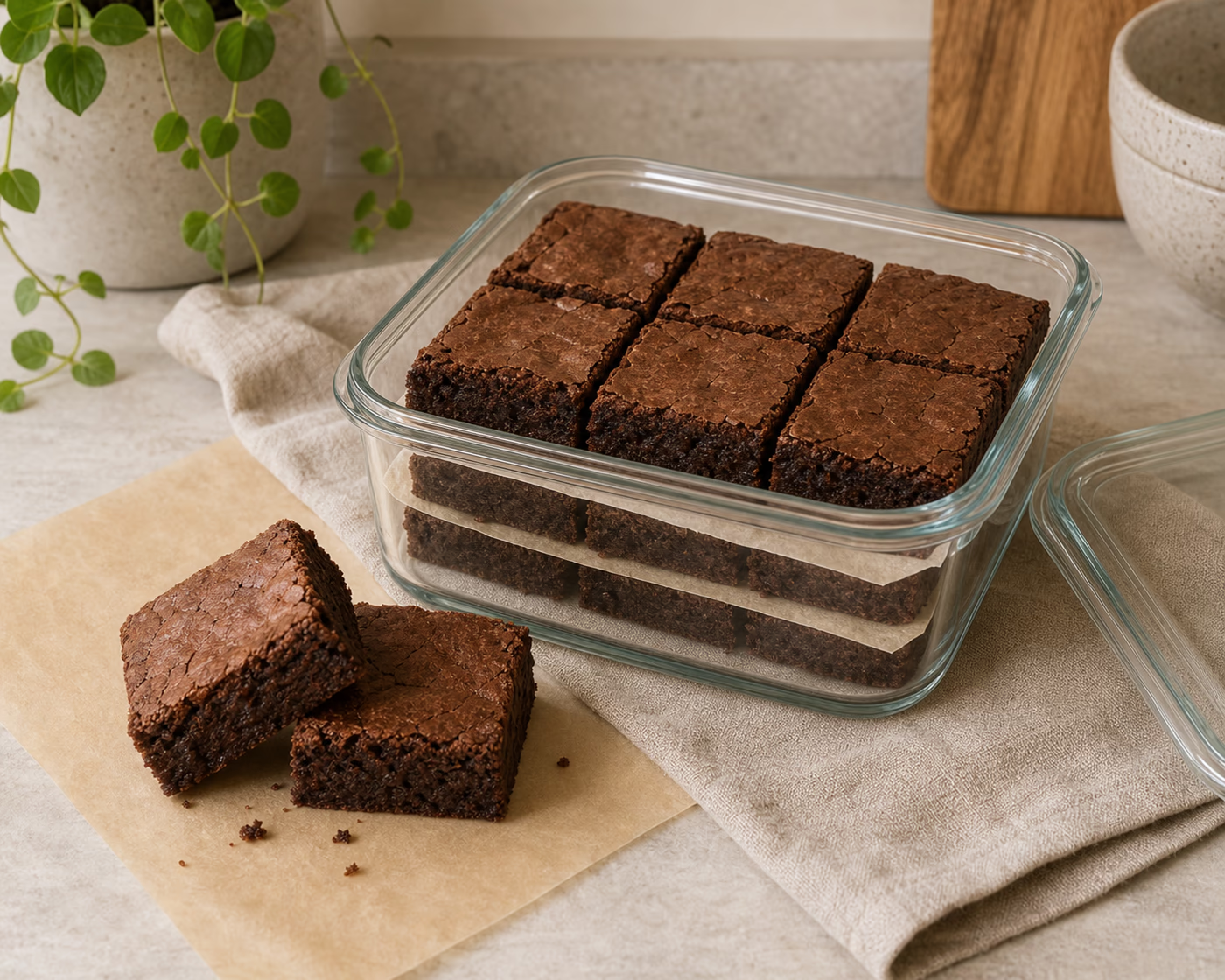
Muffins sit in the same practical storage lane as cookies, brownies, quick breads, cupcakes, and cake. Use zucchini muffins when a moist grated-vegetable muffin needs the paper-towel rule, how to store cookies when the texture changes by cookie type, how to store brownies when cut edges and fudgy centers matter, how to store cupcakes when frosting height, carriers, or perishable toppings change the storage path, how to store banana bread when a moist loaf needs counter-or-freezer decisions, zucchini bread when a loaf-style crumb needs cooling and wrapping, and how to store cake when frosting or filling changes the rule.
For make-ahead baking, keep how to freeze cookie dough, small batch chocolate chip cookies, and one bowl chocolate cake nearby. The freezer is much easier to use when the plan is written down before the container disappears behind peas.