
At a glance
Before you start
- Topic
- Kitchen Systems
- Read time
- 7 minute read
- Updated
- June 26, 2026
Start Here
Brownies need cool storage, not a warm lid
Learning how to store brownies starts before the container comes out. Let the pan cool completely first. If you cover warm brownies, steam gets trapped, the top turns sticky, and the edges can go from chewy to damp in the least rewarding way.
For plain brownies, room temperature is usually the best short-term storage. Keep the slab uncut when you can, cover it tightly, and cut pieces as you need them. Refrigerate brownies only when the topping or filling needs it, such as cream cheese, custard, whipped cream, fresh fruit, or another perishable layer.
Quick Answer
What is the best way to store brownies?
The best way to store most plain brownies is at room temperature in an airtight container or tightly covered pan. If you can, leave the slab uncut. A whole slab has fewer exposed edges, which means it dries out more slowly than a container full of cut squares.
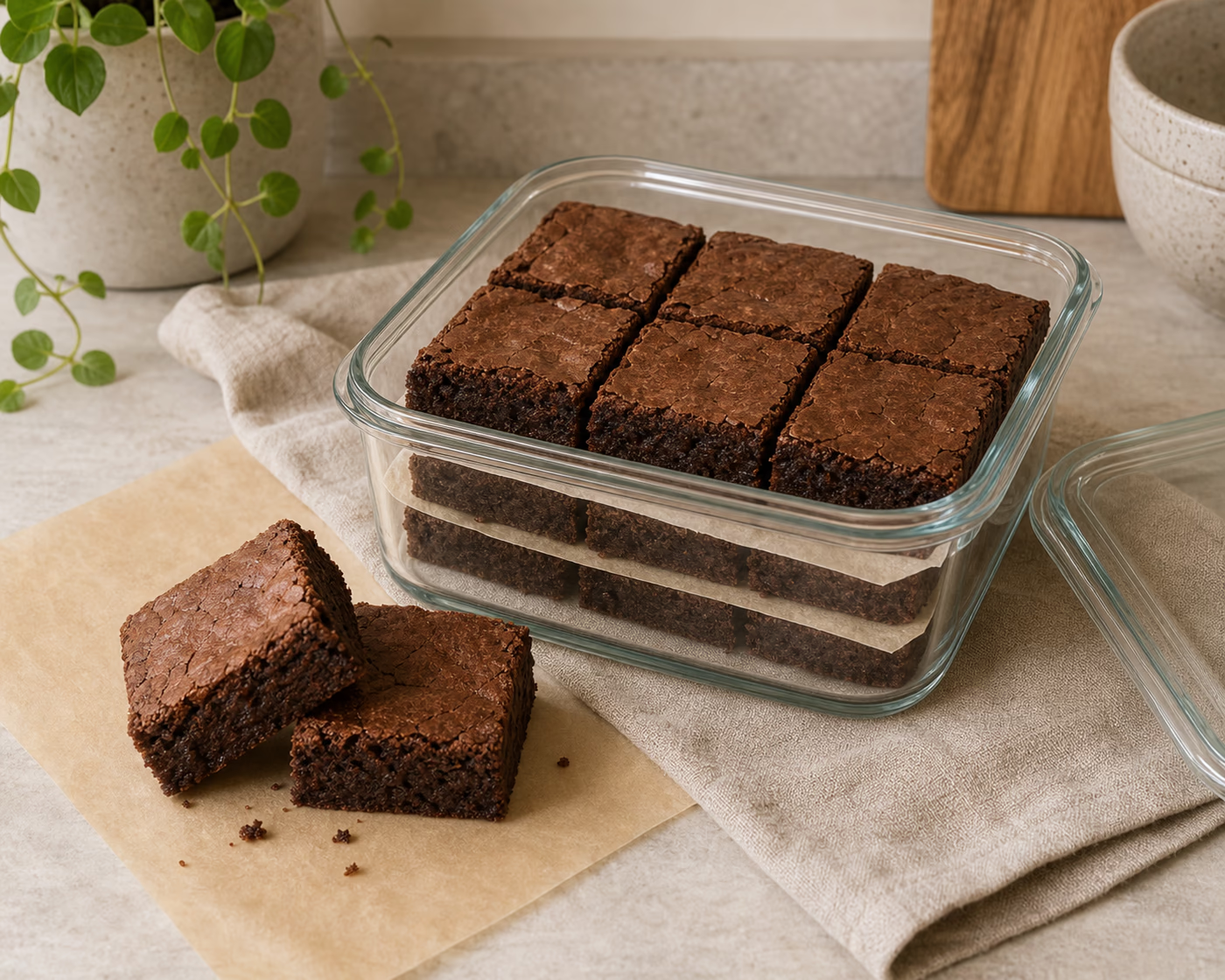
Once brownies are cut, move them to an airtight container. Add parchment or wax paper between layers if you need to stack them. Press wrap against the cut edge of a partial slab, or tuck the cut squares close together so the edges are not sitting open to the air.
My small preference is to cut brownies only when someone is actually taking one. It feels like a tiny bit of restraint, but it keeps the middle pieces fudgy for longer and saves the best texture for later.
Storage Map
The brownie storage decision map
Use the brownie’s form and topping to choose the storage. Plain brownies, frosted brownies, cream-cheese brownies, and frozen brownies do not need the same plan.
| Brownie Situation | Best Move | Why It Helps |
|---|---|---|
| Plain uncut slab | Cool completely, cover tightly, and store at room temperature | Fewer exposed edges means less drying. |
| Plain cut squares | Store in an airtight container with parchment between layers | Cut edges dry fastest and need protection. |
| Fudgy brownies | Keep at room temperature unless a topping needs refrigeration | The fridge can make plain fudgy brownies firm and dry. |
| Cakey brownies | Cover well and avoid over-stacking | Cakey brownies stale more like cake and need air protection. |
| Cream cheese, custard, whipped cream, fresh fruit, or dairy-rich topping | Cover and refrigerate at 40 F or below | Perishable toppings change the storage rule. |
| Brownies for later | Wrap tightly, add freezer protection, label, and freeze | Freezing protects texture better than a long counter stay. |
| Moldy, sour-smelling, unusually wet, slimy, or mystery brownies | Discard | Storage cannot rescue spoiled or uncertain food. |
Counter
How to store brownies at room temperature
Room temperature is the best short-term storage for plain brownies because it keeps the texture softer than the refrigerator does. Let the pan cool all the way, then cover it tightly with a lid, foil, plastic wrap, or beeswax wrap. If the brownies are already cut, move them to an airtight container.
Keep brownies away from direct sun, a warm oven, or a steamy spot near the dishwasher. Brownies do not need a dramatic storage system. They need protection from air, heat, and the confident person who leaves the lid half-open.
- Cool completely. Do not cover a warm pan.
- Keep the slab whole. Cut only what you need if the brownies are for later.
- Cover tightly. Use a pan lid, wrap, foil, or an airtight container.
- Protect cut edges. Press wrap against exposed sides or store squares close together.
- Check toppings. If the brownie has a perishable layer, use the fridge instead.
This is the same basic texture logic as how to store cookies: air is the quiet problem, and different textures need different containers.
Fridge
Should brownies be refrigerated?
Do not refrigerate plain brownies by default. The refrigerator can make them firmer and drier, especially if they are cut or loosely covered. If the brownies are plain and you will eat them soon, room temperature is usually better for texture.
Use the refrigerator when the brownie contains something perishable. Cream cheese swirl, cream cheese frosting, custard, whipped cream, fresh fruit, mousse-style toppings, and dairy-rich layers change the rule. Cover those brownies and keep them at 40 F or below.
If perishable brownies sit out for more than 2 hours, or more than 1 hour in temperatures above 90 F, choose caution and discard them. A brownie can be dessert and still need ordinary food-safety manners.
Cut Brownies
How to store cut brownies
Cut brownies dry out faster than an uncut slab because every square has exposed edges. Move cut pieces to an airtight container as soon as they are cool. If you stack them, place parchment or wax paper between layers so the tops do not stick and the pieces do not tear when you lift them out.
If you only cut part of the pan, press wrap against the exposed edge of the remaining slab, then cover the pan. That one little move protects the fudgy middle from becoming a dry border.
For a dessert tray, put out a small number of squares and refill as needed. The rest can stay covered instead of sitting open for the whole afternoon.
Frosted Brownies
Which brownies need the fridge?
Some frosted brownies can stay at room temperature for short storage if the frosting is stable and the kitchen is cool. But if the topping is cream cheese, custard, whipped cream, fresh fruit, mousse, or another perishable layer, use the refrigerator.
Cover refrigerated brownies well so they do not absorb fridge smells or dry out. If the topping is soft, chill the brownies briefly uncovered until the surface firms, then cover more securely. The same move works for cake storage when frosting needs a little structure first.
If you are not sure what is in the topping, be conservative. Mystery frosting is not where I like to spend my optimism.
Freeze
Can you freeze brownies?
Brownies freeze well when they are wrapped tightly. You can freeze the whole slab, large blocks, or individual squares. The whole slab keeps more soft interior texture, while individual squares are easier to pull out one at a time.
- Cool the brownies completely.
- Cut only if you want individual portions.
- Wrap the slab or squares tightly in plastic wrap or foil.
- Add a freezer bag or freezer-safe container for extra protection.
- Label with the name and date.
- Freeze at 0 F.
Food held properly frozen stays safe, but brownie quality still changes over time. Labeling matters. A freezer full of anonymous chocolate blocks sounds more fun than it is when you are trying to find dessert.
For a broader freezer habit, use the freezer inventory sheet and keep brownies near other small treats like frozen cookie dough.
Thaw
How to thaw frozen brownies
Move frozen brownies to the counter or refrigerator while they are still wrapped. Once they have thawed, unwrap them. This keeps condensation on the outside of the wrapping instead of turning the brownie surface damp.
Plain brownies can come back toward room temperature before serving. If the brownies have a perishable topping, thaw them in the refrigerator and keep them cold until closer to serving. Warm only plain brownies or brownies with toppings that can handle heat.
Dry Brownies
Can you fix dry brownies?
If plain brownies are a little dry, warm one briefly before serving. A few seconds in the microwave or a low oven can make the chocolate feel softer again. Do this with one piece first, not the whole batch, because overheating makes dry brownies even more dramatic.
If the texture is too far gone for neat squares, turn the brownies into something else. Crumble them over ice cream, layer with pudding, or use them as the chocolate piece on a dessert plate. Texture rescue is allowed; pretending stale edges are fresh is optional and usually disappointing.
Spoilage
How can you tell if brownies are bad?
Throw away brownies if you see mold, smell a sour or unpleasant odor, notice unusual wetness or slime, or do not know how long they sat out. Be especially cautious with brownies that have cream cheese, custard, whipped cream, fresh fruit, or other perishable toppings.
Plain brownies can stale before they spoil, and stale is a quality problem. Mold, off smells, wetness, and unknown perishable handling are safety and common-sense problems. Those do not need a second chance.
Avoid
Brownie storage mistakes that dry them out
Most brownie storage problems come from steam, air, cold, or the wrong topping rule. These are the habits worth skipping.
- Covering warm brownies: trapped steam makes the surface sticky and the edges damp.
- Cutting the whole pan early: exposed edges dry faster than an uncut slab.
- Leaving cut squares uncovered: a plate with loose foil is not airtight storage.
- Refrigerating plain brownies by habit: the fridge can make them firmer and drier.
- Leaving cream-cheese brownies out: perishable toppings need the refrigerator.
- Freezing loosely wrapped brownies: air causes stale edges and freezer flavor.
- Stacking without parchment: sticky tops and fudgy centers can tear when lifted.
The calm version: cool the pan, keep the slab whole when you can, cover it tightly, and let the topping decide whether the fridge gets involved.
FAQ
Brownie storage questions
Should I cut brownies before storing them?
Not if you can avoid it. Brownies keep better as an uncut slab because there are fewer exposed edges. Cut what you need, then cover the remaining slab tightly.
How do you keep brownies fudgy?
Do not overexpose them to air. Cool them completely, store the slab uncut when possible, cover tightly, and avoid refrigerating plain brownies unless you need to.
Can brownies sit out overnight?
Plain brownies can usually sit tightly covered at room temperature overnight. Brownies with cream cheese, custard, whipped cream, fresh fruit, or other perishable toppings should be refrigerated.
Can you store brownies with frosting?
Yes, but the frosting decides the storage. Stable frosting on plain brownies may be fine at cool room temperature for short storage, while cream cheese, whipped cream, custard, fresh fruit, or dairy-rich toppings need the refrigerator.
Do brownies freeze better cut or uncut?
Both work. An uncut slab protects texture best, while cut squares are easier to thaw one at a time. Wrap either option tightly and add freezer protection.
Can I stack brownies in a container?
Yes, if they are fully cool and you place parchment or wax paper between layers. Skip stacking very soft frosted brownies unless the topping is firm enough not to smear.
Dessert Storage
Keep the dessert texture you meant to keep
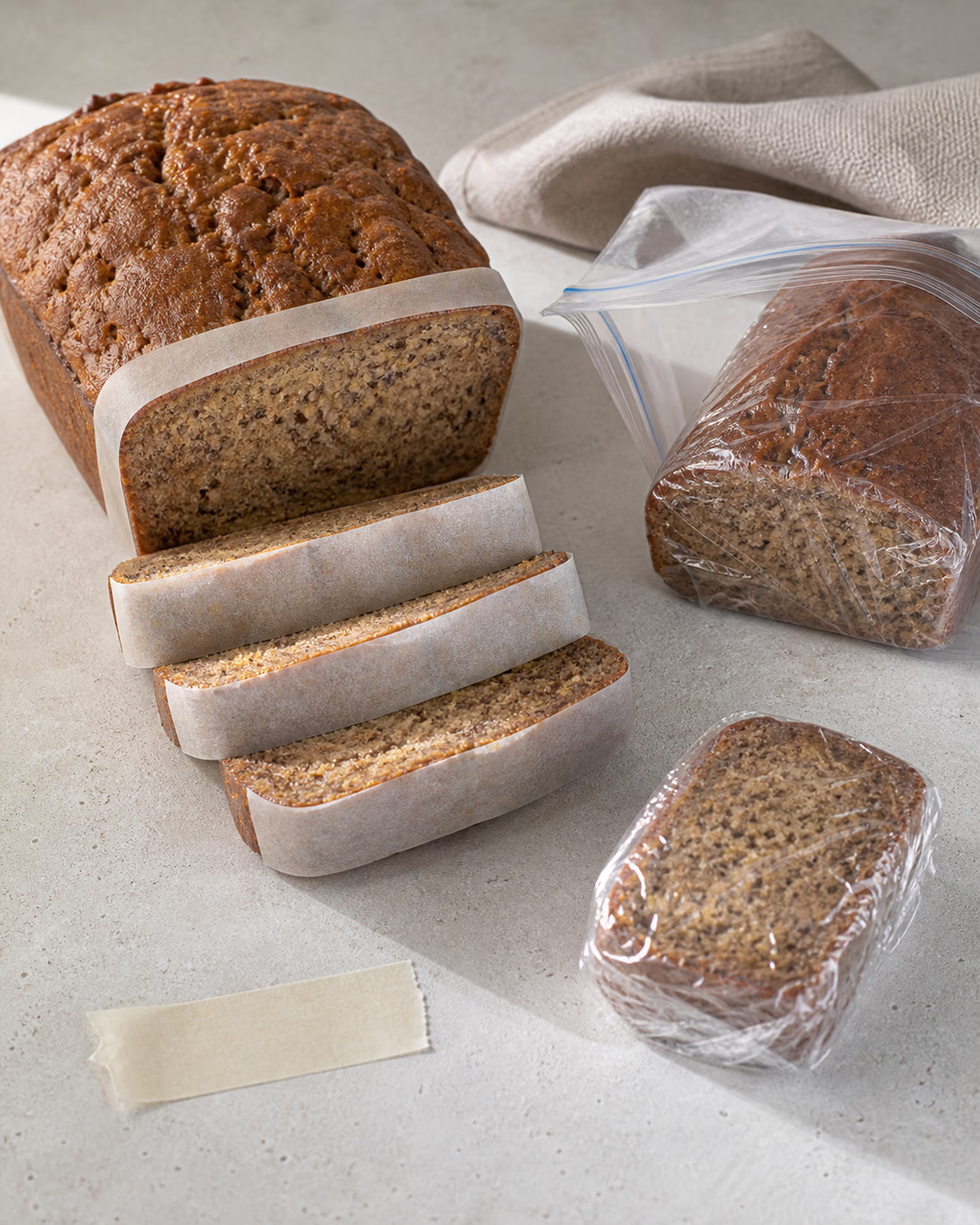
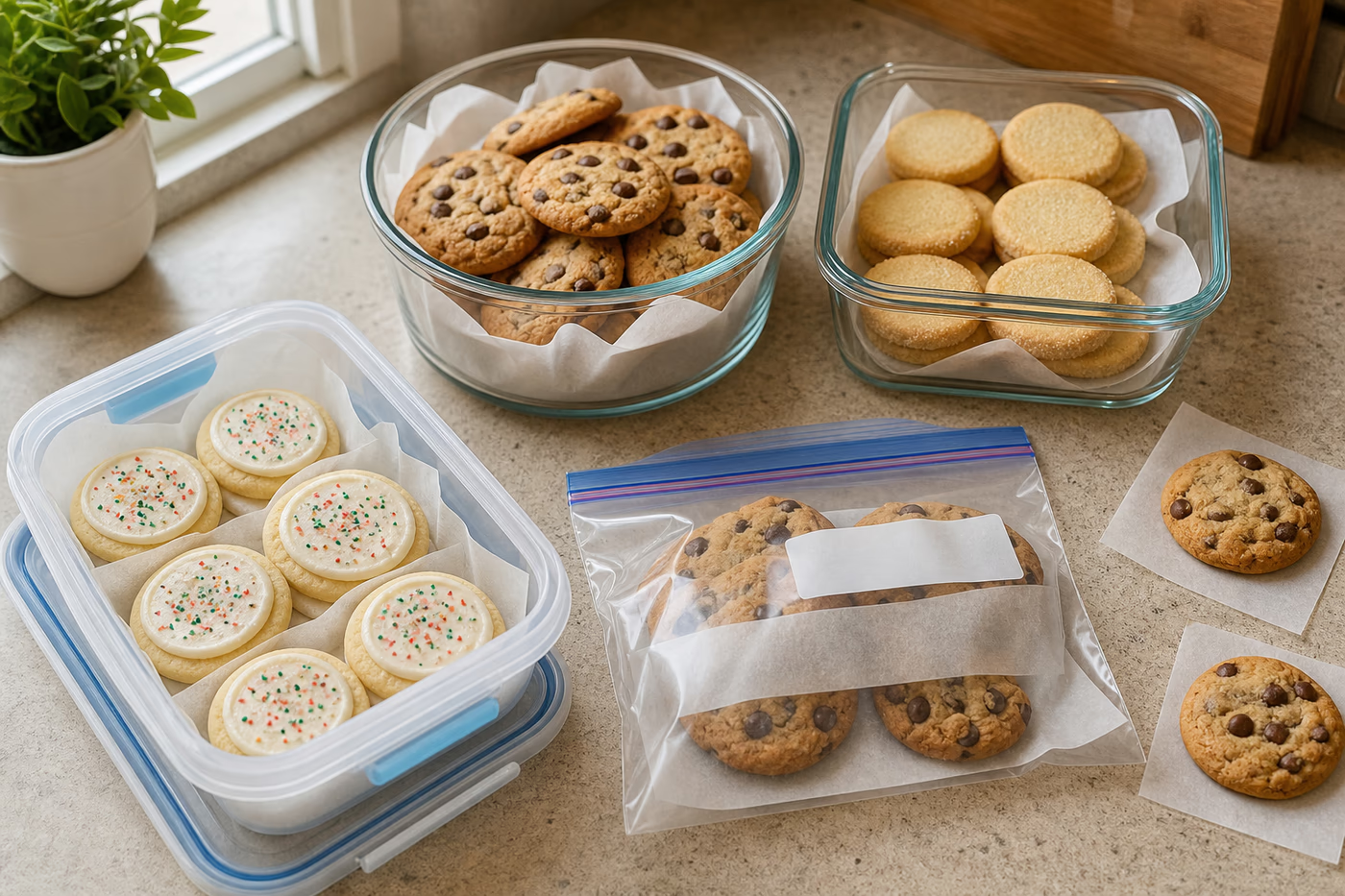
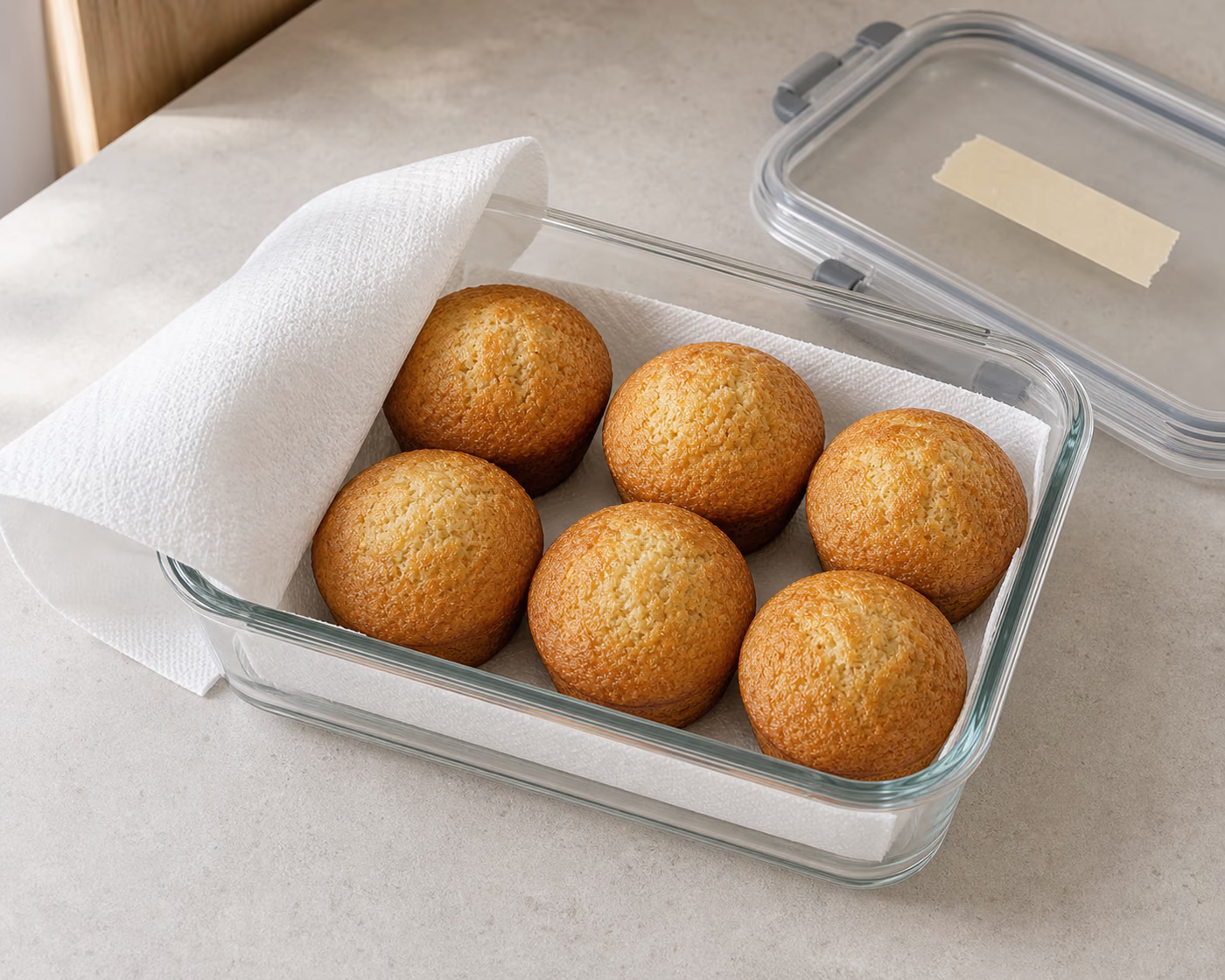
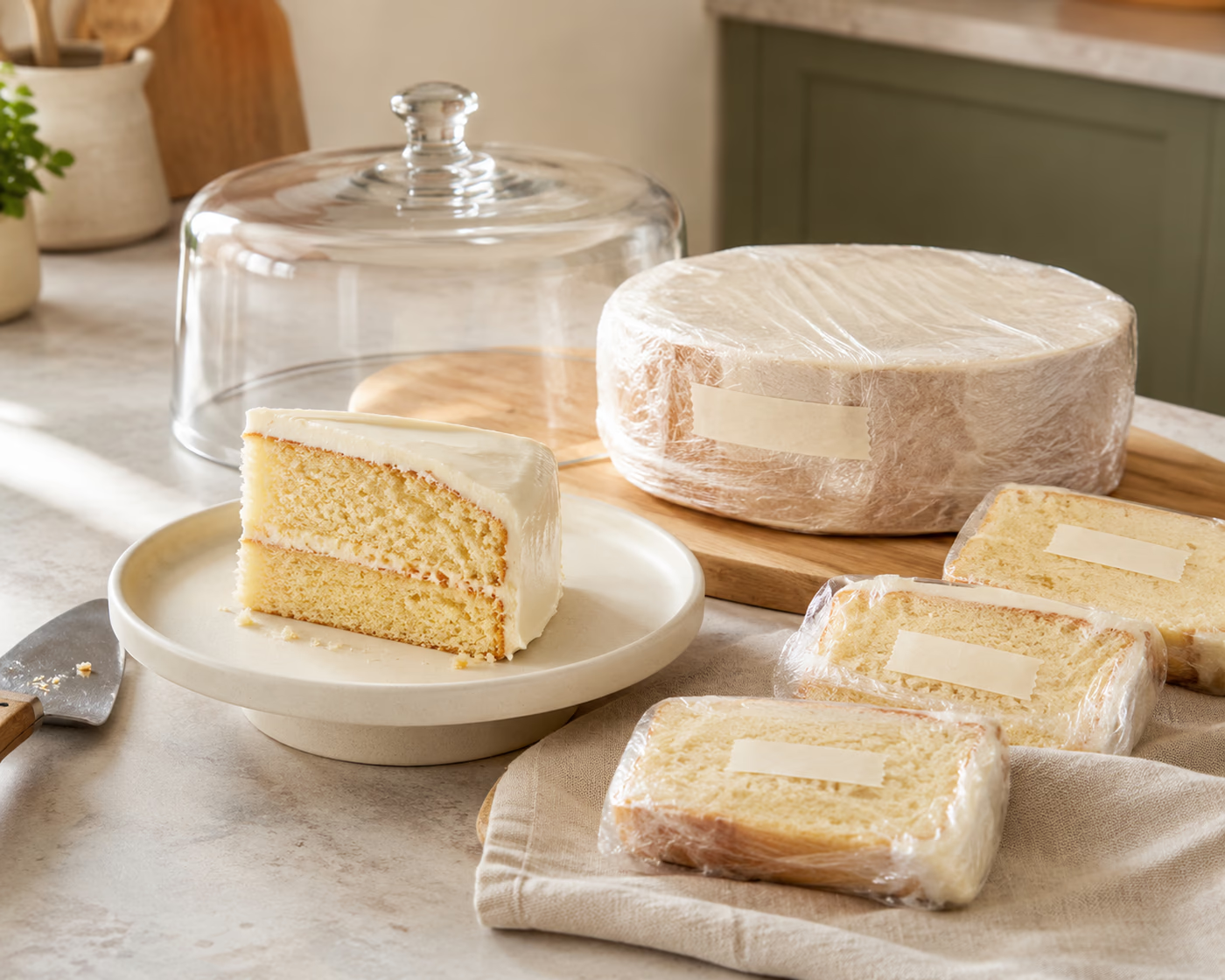
Brownies sit in the same practical dessert-storage lane as cookies, muffins, cupcakes, banana bread, and cake. Use how to store cookies when the texture changes by cookie type, how to store muffins when tender tops need moisture control, how to store cupcakes when frosting needs headroom or a perishable topping changes the rule, how to store banana bread when a moist loaf needs freezer planning, and how to store cake when frosting, filling, or layers are the issue.
For make-ahead desserts, keep how to freeze cookie dough, no bake peanut butter bars, and no bake cheesecake bars nearby. The storage rule is always less annoying when dessert already has a plan.