
At a glance
Before you start
- Topic
- Kitchen Systems
- Read time
- 8 minute read
- Updated
- July 2, 2026
Start Here
Cupcakes need a frosting decision before a container decision
Learning how to store cupcakes starts with the part sitting on top or hiding inside. A plain vanilla cupcake and a cupcake filled with custard do not need the same plan. One is mostly about keeping the crumb soft. The other has a perishable filling that needs the refrigerator.
For plain cupcakes or cupcakes with a shelf-stable buttercream-style frosting, my default is short-term room-temperature storage in a tall covered container. For cupcakes with cream cheese frosting, whipped cream, custard, cheesecake filling, mousse, fresh fruit, or another perishable topping or filling, use the refrigerator.
Quick Answer
How do you store cupcakes?
The best way to store cupcakes depends on the frosting and filling. If the cupcake is plain, or frosted with a stable buttercream-style frosting and the room is cool, a covered container on the counter gives the best texture for short storage. The refrigerator can make cake taste firm and dry.
Use the fridge when the most perishable part needs it. Cream cheese frosting, whipped cream, custard, cheesecake-style filling, mousse, fresh fruit, and dairy-rich or egg-rich fillings change the rule. If you would refrigerate the frosting or filling by itself, refrigerate the cupcake that carries it.
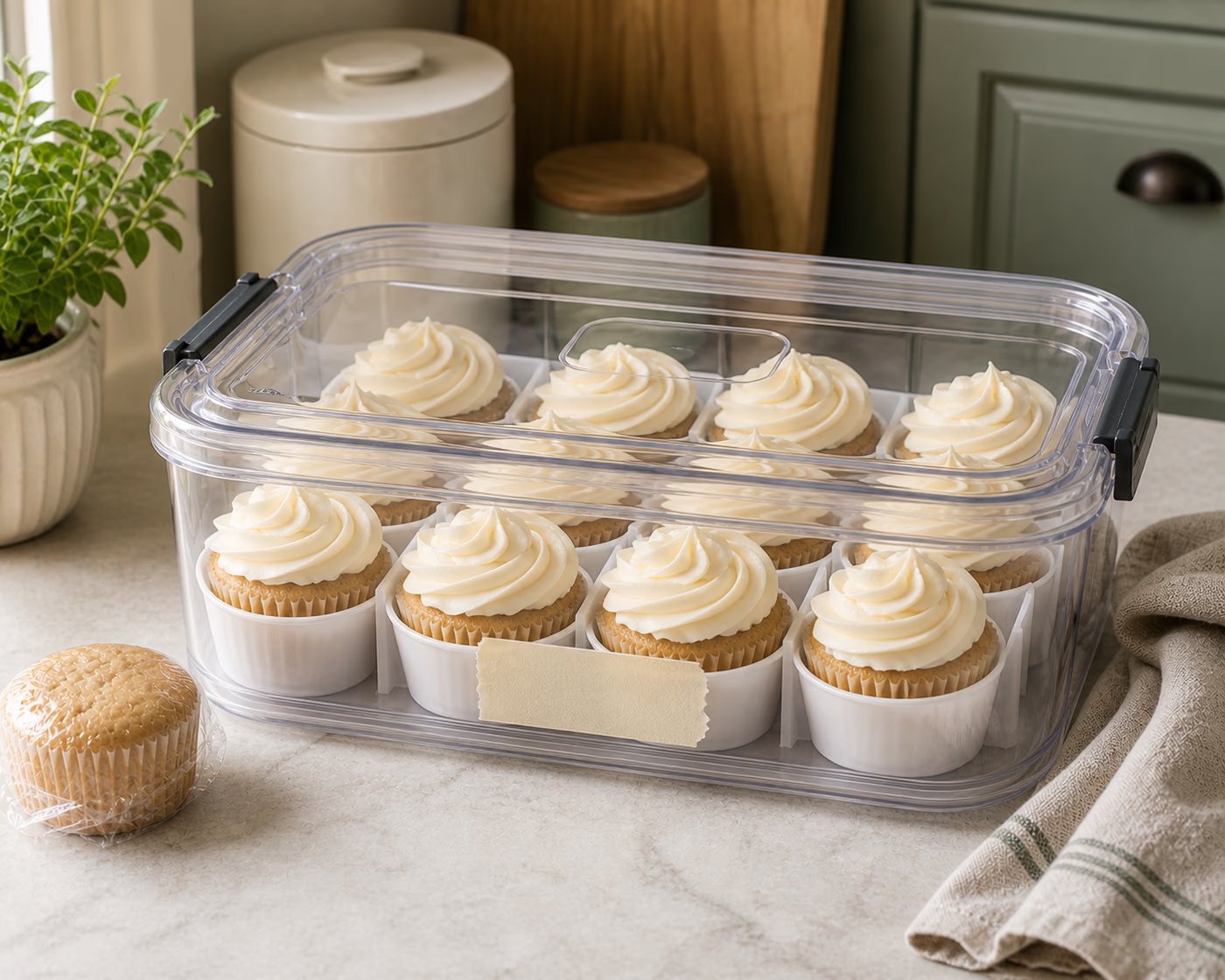
The container matters too. Frosted cupcakes need headroom. A cupcake carrier, tall airtight container, or bakery box tucked inside a larger bag protects the frosting better than plastic wrap pressed over the tops.
Storage Map
The cupcake storage decision map
Use the most perishable topping or filling as the rule, then protect the crumb. That little order keeps the decision simple.
| Cupcake Situation | Best Storage Path | Why It Helps |
|---|---|---|
| Plain unfrosted cupcakes | Cool completely, then cover at room temperature for short-term storage | Keeps the crumb softer than the fridge. |
| Stable buttercream-style frosting, no perishable filling | Store in a tall covered container at cool room temperature for short-term storage | Protects frosting and avoids cold, dry crumb. |
| Cream cheese frosting, whipped cream, custard, mousse, cheesecake filling, fresh fruit, or dairy-rich filling | Cover and refrigerate at 40 F or below | Perishable ingredients decide the storage rule. |
| Frosted cupcakes for transport | Use a cupcake carrier or tall container; chill briefly if the frosting needs to firm | Prevents sliding, smearing, and smashed frosting. |
| Cupcakes for longer storage | Freeze unfrosted when possible; freeze frosted only after setting the frosting | Unfrosted cupcakes freeze cleaner, but frosted leftovers can still be saved. |
| Mold, sour smell, slimy or weeping filling, unsafe room-temperature time, or mystery storage | Discard | Storage cannot make questionable cupcakes safe again. |
Counter
How to store plain cupcakes at room temperature
Room temperature is usually the best short-term storage for plain cupcakes. The cake stays softer than it would in the fridge, and the liners help keep each cupcake tidy. The important part is cooling first. Warm cupcakes under a lid trap steam, and steam is how you get sticky tops when you wanted soft cake.
- Cool completely. Move cupcakes to a rack and let the centers cool, not just the edges.
- Choose a container with room. For unfrosted cupcakes, a flat airtight container works. For frosted cupcakes, use a tall container or carrier.
- Use one layer when possible. Stacking can dent tender tops or loosen liners.
- Keep them away from heat. Skip sunny counters, stove-side spots, and steamy corners.
- Check the frosting rule. If the frosting or filling is perishable, use the refrigerator instead.
I like a lidded container better than a loose plate because air dries the edges fast. If all you have is a bakery box, tuck the closed box inside a large food-safe bag for a little more protection.
Fridge
Do cupcakes need to be refrigerated?
The fridge is a safety tool, not the default for every cupcake. Cold air can make cake feel firm and dry, especially if the cupcakes are loosely covered. If the cupcake is plain, or frosted with a stable buttercream-style frosting and there is no perishable filling, room temperature is usually kinder for short storage.
Use the refrigerator for cupcakes with cream cheese frosting, whipped cream, custard, cheesecake filling, mousse, fresh fruit, or other dairy-rich or egg-rich fillings. Keep them covered at 40 F or below. Bring them toward room temperature before serving when it is safe to do so, because cold frosting and cold cake can taste a little sleepy.
Perishable cupcakes should not sit out for more than 2 hours, or more than 1 hour when the room or outdoor temperature is above 90 F. If you are not sure how long they sat out, choose caution.
Frosted
How to store frosted cupcakes without smashing the frosting
Frosted cupcakes need vertical space. Plastic wrap is useful for unfrosted cupcakes, but it is not kind to piped frosting. A tall container or cupcake carrier keeps the tops from getting pressed flat and keeps the cupcakes from sliding into each other.
If the frosting is soft, chill the cupcakes briefly until the frosting firms, then cover them. That is especially useful before transport. Just do not let a short chilling step turn into “all frosted cupcakes always belong in the fridge.” The frosting type still decides the storage.
For sprinkles, add them after the cupcakes are in the container if you can. The container catches the extras, and the cupcakes do not have to be moved again after the tops are decorated.
Overnight
How to store cupcakes overnight
For plain cupcakes, overnight storage is simple: cool them completely, cover them, and leave them at room temperature in a cool spot. For stable buttercream-style cupcakes with no perishable filling, use a tall covered container so the frosting keeps its shape.
For perishable cupcakes, the overnight plan is the fridge. Cover them well so they do not dry out or pick up refrigerator smells. Let them sit out briefly before serving if the frosting needs to soften, staying within safe time limits.
If you are making cupcakes ahead for a party, the cleanest plan is often to bake the cupcakes one day, store them unfrosted, and frost them closer to serving. Fresh frosting hides a lot of storage awkwardness.
Transport
How to transport cupcakes without ruining them
Cupcakes do not love sliding. Use a carrier with individual wells if you have one. If you do not, use a shallow box or tall container that holds them close without touching the frosting. A little crumpled parchment between cupcakes can help stop movement, but do not pack them so tightly that the frosting smears.
For soft frosting, a short chill before leaving can make the tops sturdier. For cupcakes with perishable frosting or filling, transport them cold and keep them cold until serving. A cooler or insulated bag with cold packs is the right move for a warm day.
This is the same cold-food thinking as picnic food safety: the table can feel casual, but perishable food still needs a clock and a cold plan.
Freezer
Can you freeze cupcakes?
Unfrosted cupcakes are the easiest to freeze. They stack more neatly, thaw more cleanly, and let you frost them fresh later. If you are baking ahead on purpose, this is the path I would choose.
- Cool the cupcakes completely.
- Wrap cupcakes individually, or place them in a freezer-safe container with room around them.
- Add a freezer bag or second layer if they will be stored for more than a short time.
- Label with the name and date.
- Freeze at 0 F.
Food held properly frozen stays safe, but quality still declines, so freezer timing is a quality note. Labeling matters because a frozen cupcake and a frozen muffin become suspiciously similar once they are wrapped and forgotten.
If make-ahead baking is becoming a habit, keep how to freeze cookie dough and the freezer inventory sheet nearby. The freezer is more useful when it is not a mystery drawer.
Frosted Freezer
Can you freeze cupcakes with frosting?
You can freeze frosted cupcakes, especially when the frosting is a sturdier buttercream-style frosting. The cleaner option is still freezing cupcakes unfrosted and frosting them later, but leftovers do not always arrive in their most convenient form.
- Set frosted cupcakes on a tray.
- Freeze uncovered just until the frosting is firm.
- Wrap carefully, or place in a sturdy freezer-safe container with enough headroom.
- Label and return to the freezer.
Whipped cream, fresh fruit, delicate mousse, and soft toppings may thaw weepy or loose. If you are planning ahead, freeze the cupcakes plain and add those toppings after thawing. If you are saving leftovers, freeze what you can, but expect texture tradeoffs.
Thaw
How to thaw frozen cupcakes
For unfrosted cupcakes, thaw them covered or lightly wrapped so condensation does not settle straight into the crumb. Once they are thawed, frost and serve them as usual.
For frosted cupcakes, unwrap or uncover carefully once the frosting is firm enough not to smear. Let them come toward serving temperature before eating. Cold cupcakes can taste dry even when they are not actually stale.
If the cupcakes have cream cheese, whipped cream, custard, mousse, fresh fruit, or another perishable part, thaw them in the refrigerator and keep them cold until serving.
Spoilage
How can you tell if cupcakes are bad?
Mold means the cupcakes go. Do not cut around it. Also discard cupcakes that smell sour, have sticky or slimy filling, show unusual wetness, or have frosting that is separating in a way that looks wrong.
Handling history matters. A plain cupcake that dried out is a quality problem. A cream-cheese-frosted cupcake that sat on a warm table all afternoon is a safety problem. The fridge does not reset that clock.
Avoid
Cupcake storage mistakes that dry them out or make them unsafe
Most cupcake storage problems come from heat, air, plastic wrap in the wrong place, or treating every frosting like buttercream. These are the habits worth skipping.
- Covering warm cupcakes: trapped steam makes tops sticky.
- Pressing wrap onto frosting: use a tall container or carrier instead.
- Refrigerating every cupcake: the fridge can dry plain cupcakes, so use it when the frosting, filling, heat, or timing calls for it.
- Leaving perishable cupcakes out: cream cheese, whipped cream, custard, mousse, fresh fruit, and dairy-rich fillings need cold storage.
- Freezing loose cupcakes: freezer air dries cake and dulls flavor.
- Transporting in a loose box: sliding cupcakes become a frosting repair project.
- Keeping mystery leftovers: if nobody knows when they were made, served, or left out, choose caution.
The calm version is this: cool them, check the frosting, choose the storage by the most perishable part, and use a container that protects the top.
FAQ
Cupcake storage questions
Can cupcakes sit out overnight?
Plain cupcakes and cupcakes with shelf-stable frosting can usually sit covered at room temperature overnight in a cool kitchen. Cupcakes with cream cheese frosting, whipped cream, custard, mousse, fresh fruit, or other perishable parts should be refrigerated.
Should cupcakes with cream cheese frosting be refrigerated?
Yes. Use the refrigerator for cupcakes with cream cheese frosting unless you are working from a tested commercial or cottage-food formula that specifically says otherwise. For normal home guidance, keep them covered at 40 F or below.
Can buttercream cupcakes stay at room temperature?
Many buttercream-style cupcakes with no perishable filling can stay covered at cool room temperature for short storage. Refrigerate if the room is warm, the frosting is melting, the cupcake has a perishable filling, or the recipe tells you to chill it.
Can I store cupcakes in a bakery box?
Yes, for short storage, especially if the cupcakes are unfrosted or the box protects the frosting. For better moisture protection, close the box and place it inside a large food-safe bag or another covered container.
Can I wrap frosted cupcakes in plastic wrap?
It is usually better not to press plastic wrap directly onto frosted cupcakes. Chill the frosting briefly if needed, then use a tall container, cupcake carrier, or box with enough headroom.
Should I freeze cupcakes frosted or unfrosted?
Freeze cupcakes unfrosted when you can. They freeze and thaw more neatly, and you can add fresh frosting later. If you already have frosted cupcakes, freeze them uncovered until the frosting firms, then wrap or store them in a sturdy container.
How do I keep cupcake tops from getting sticky?
Cool cupcakes completely before covering them. Sticky tops usually come from trapped steam or humidity. If they are unfrosted and slightly tacky, let them sit uncovered briefly before storing or frosting.
Baked-Good Storage
Let the topping make the rule
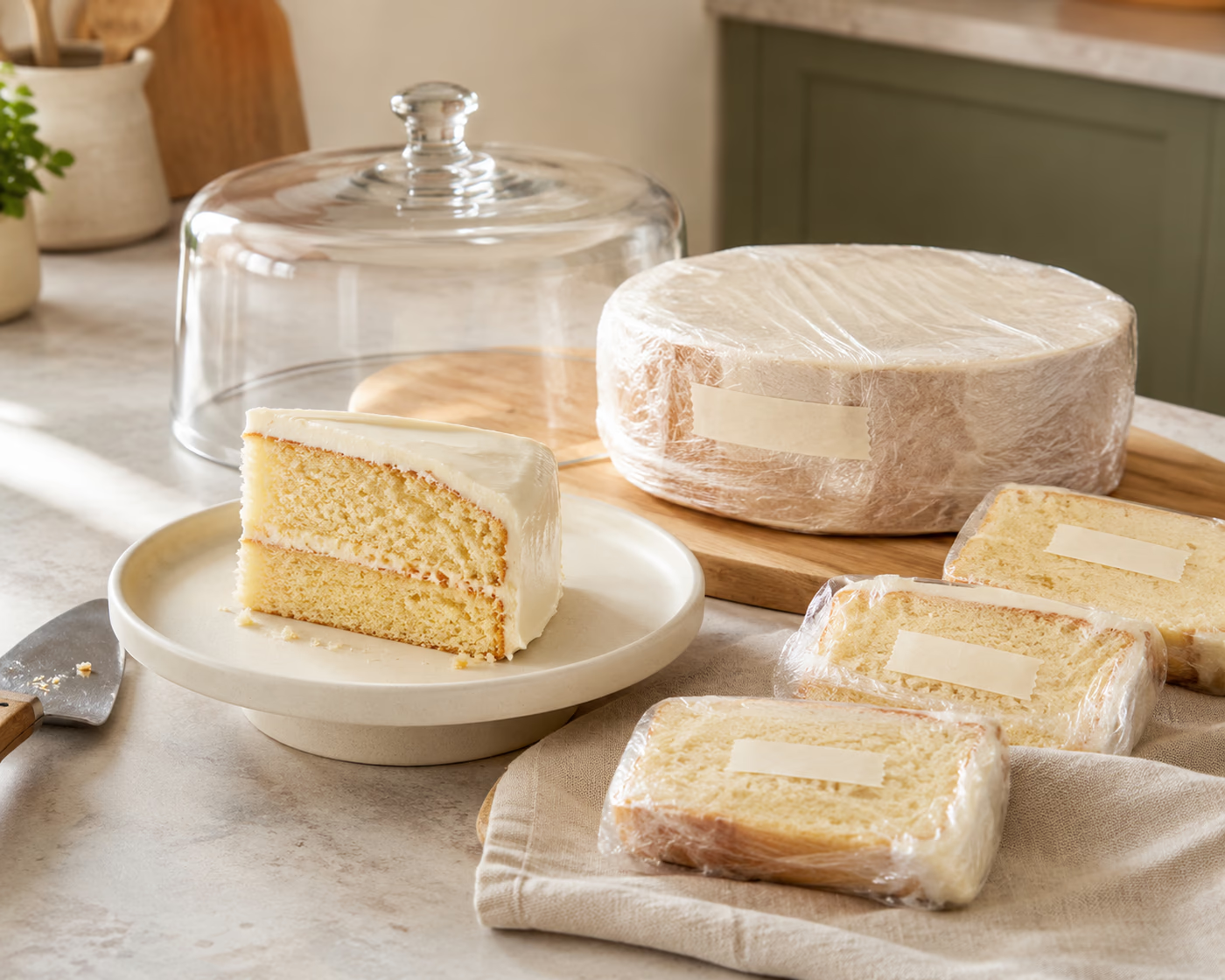
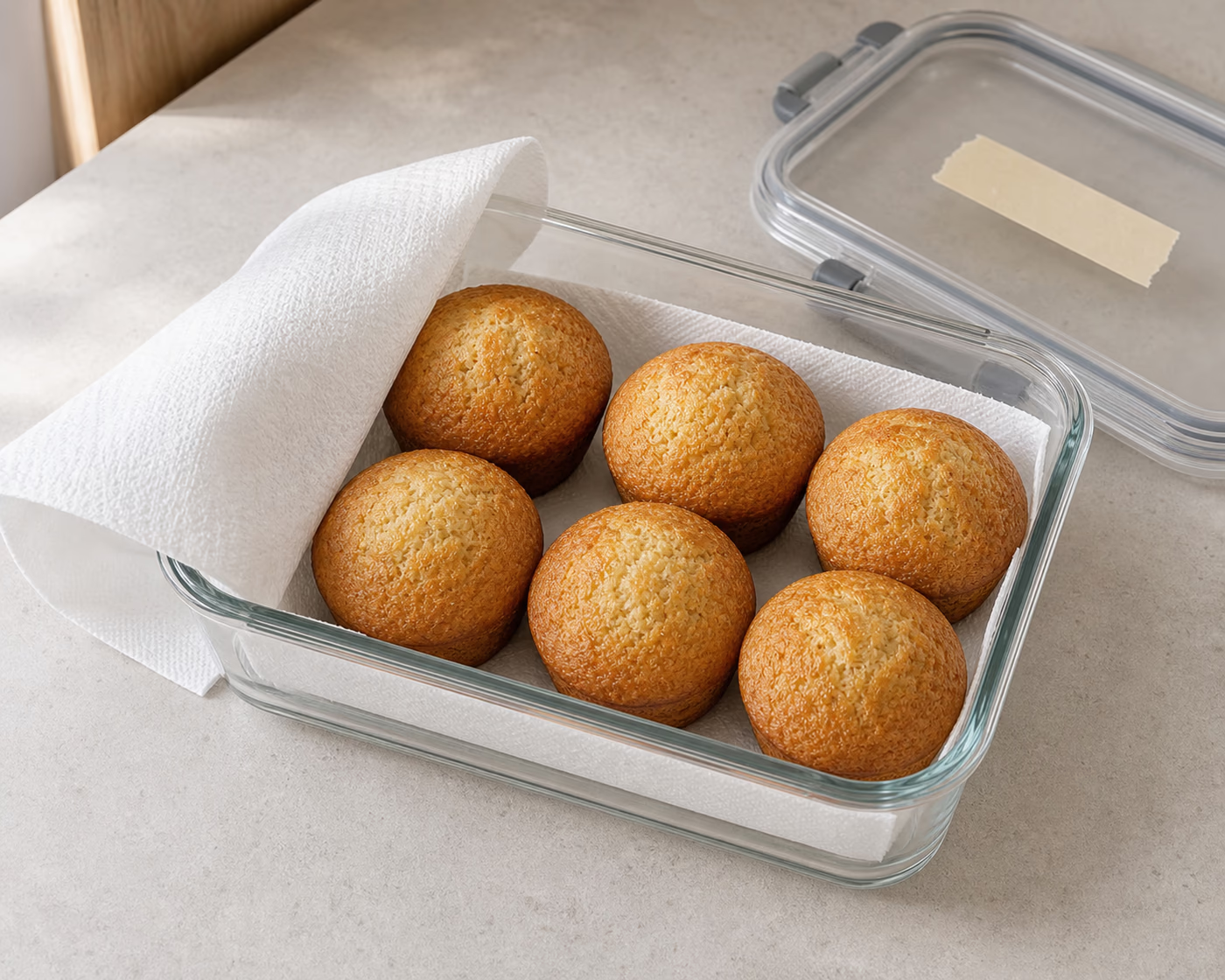
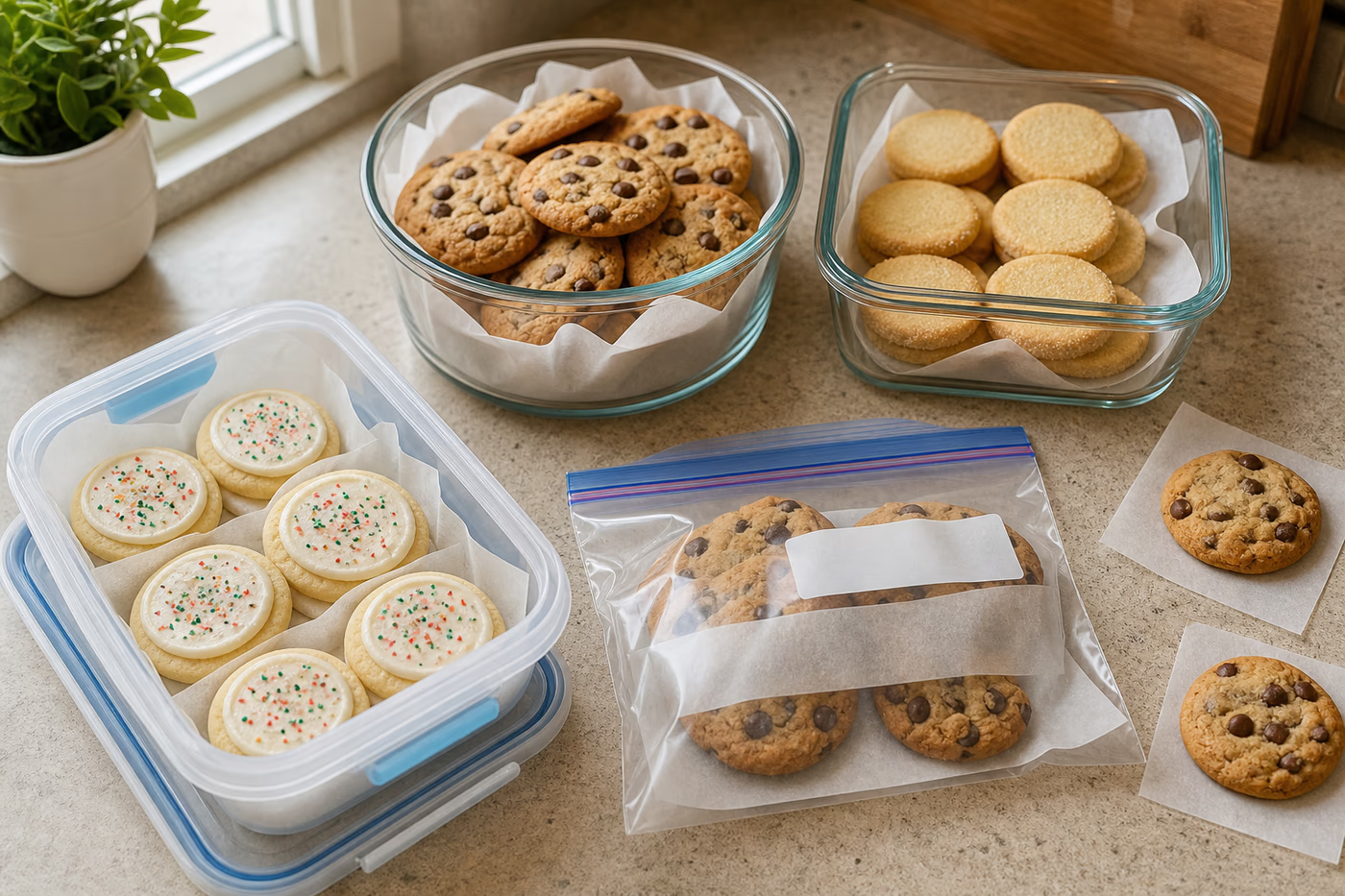
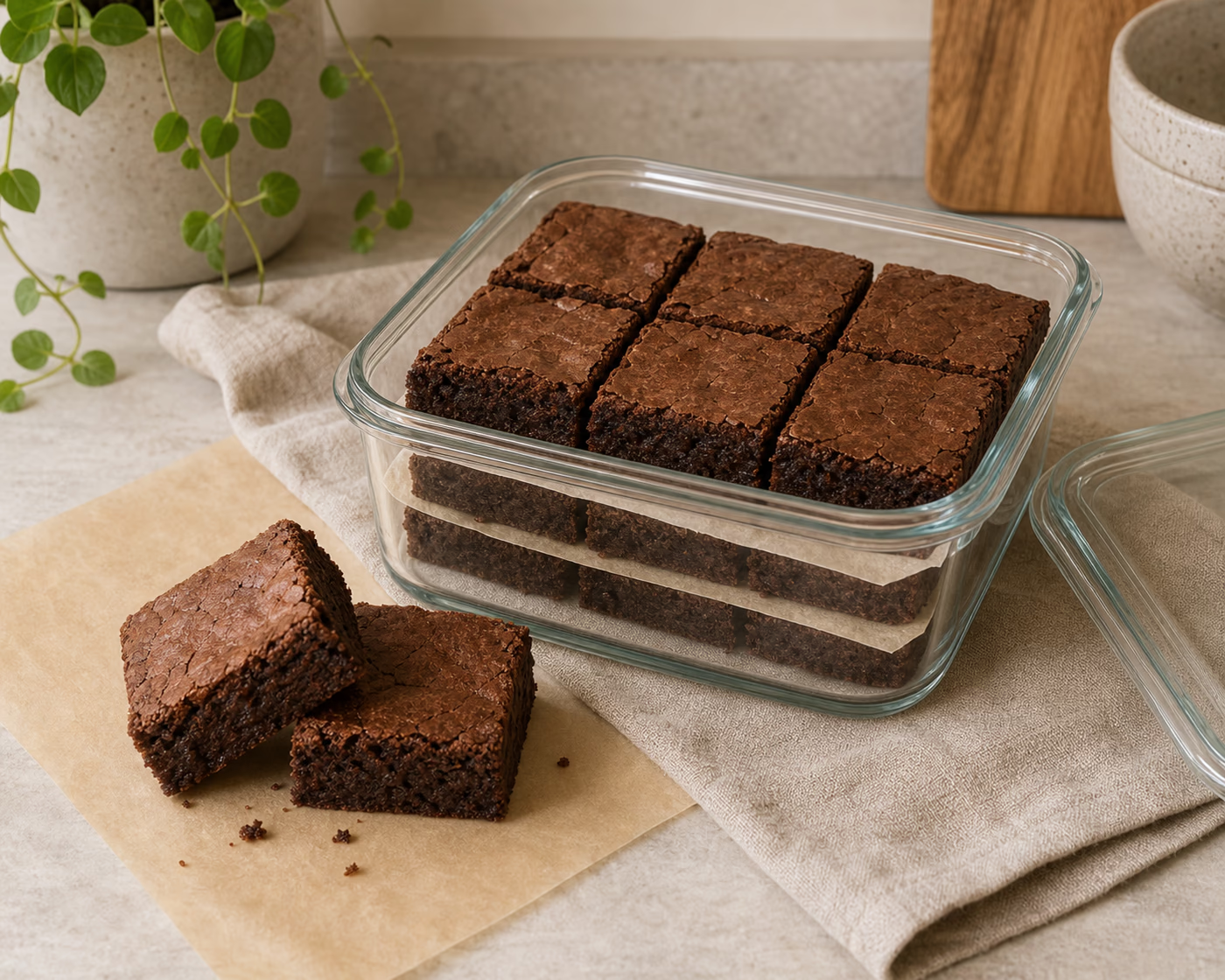
Cupcakes sit right between cake and muffins in the storage world: small cake crumb, delicate tops, and sometimes a frosting that changes everything. Use how to store cake for larger frosted cakes, how to store muffins for tender muffin tops, how to store cookies for crisp-or-soft cookie decisions, how to store brownies for fudgy cut edges, and how to store banana bread for moist loaf storage.
For dessert plans, keep one bowl chocolate cake, no bake cheesecake bars, and small batch chocolate chip cookies close. They all use the same useful kitchen habit: protect the texture, then follow the ingredient that needs the most care.